Going solar is exciting, and it's also easy to get swept along by an enthusiastic salesperson and a glossy brochure before you've asked the questions that actually decide whether you'll be happy in five years. The homeowners who end up delighted with their systems are almost always the ones who asked good questions upfront, about sizing, backup, finance, compliance and support.
You don't need to be a technical expert to have a great conversation with an installer. You just need to know what to ask and what a good answer sounds like. This guide gives you 12 questions worth putting to any installer before you sign, with the reasoning behind each one, so you can tell a thorough professional from someone winging it.
Key takeaways
The best solar outcomes come from asking the right questions before signing, not after.
Cover five areas: your actual energy needs, backup expectations, finance, compliance, and long-term support.
Good installers welcome scrutiny and give clear, specific answers. Vagueness is a red flag.
Understand what happens during load-shedding, who handles SSEG registration, and who honours the warranty.
Get everything (sizing, equipment, price and guarantees) in a written quote.
12
questions to ask
5
areas to cover
R1,299
Alumo's lowest monthly
Understanding your energy needs
1. How did you size this system for my home?
The right system starts with your actual consumption, not a generic package pulled off a shelf. A good installer asks about your monthly usage, your bill, and which appliances matter most, then sizes accordingly. If a quote arrives without anyone understanding how you use electricity, be sceptical.
2. What will and won't run during an outage?
This is where expectations quietly go wrong. Clarify exactly which circuits and appliances the system will keep running during load-shedding (lights, plugs, Wi-Fi, TV) versus heavy loads like geysers, ovens, pool pumps and air conditioners. A system that runs your essentials beautifully but was never meant to carry the whole house is fine, as long as you knew that going in.
3. How much backup will I get in winter and during long outages?
Solar production drops on short, cloudy winter days, and load-shedding stages can be brutal. Ask how the system performs in the worst realistic conditions, not just on a sunny summer afternoon. Battery capacity and panel count both matter here, and honest installers will talk trade-offs rather than promising the moon.
Getting the system right
4. Which specific equipment are you using, and why?
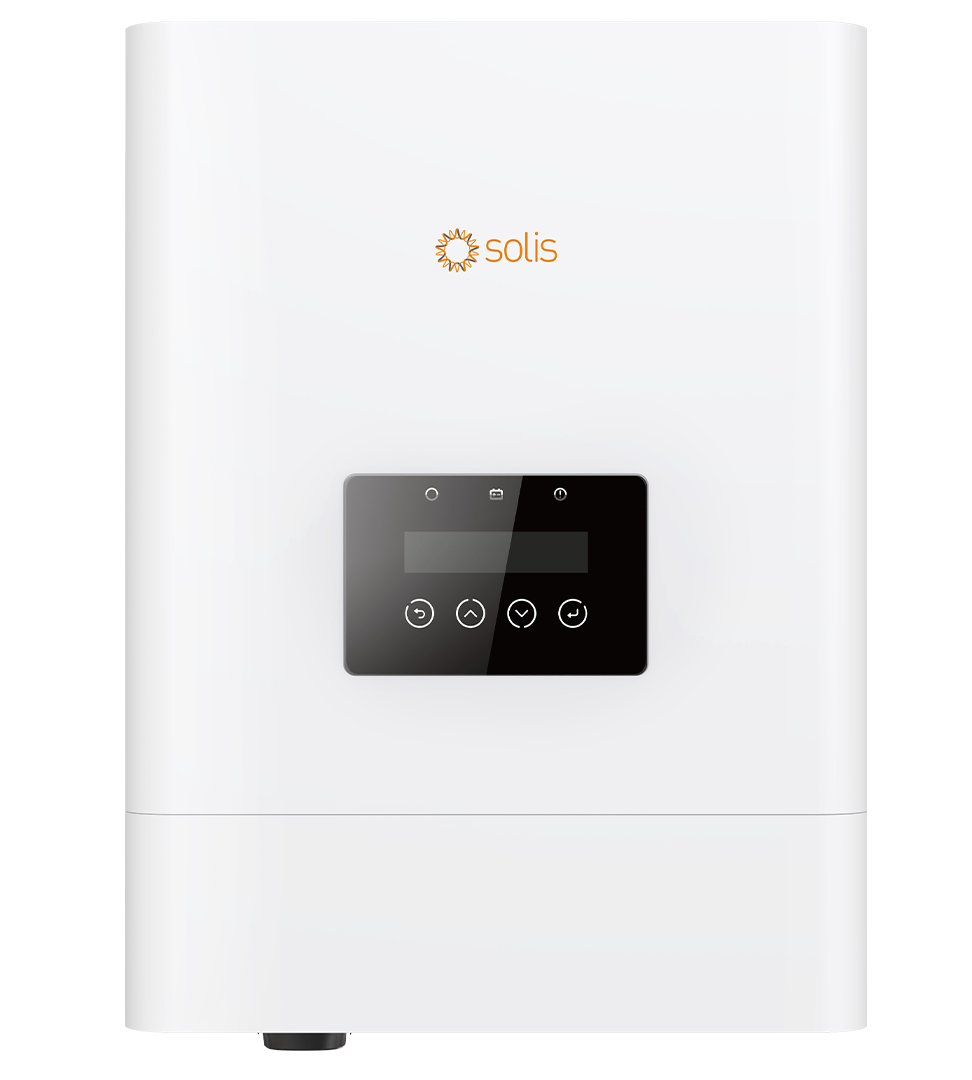
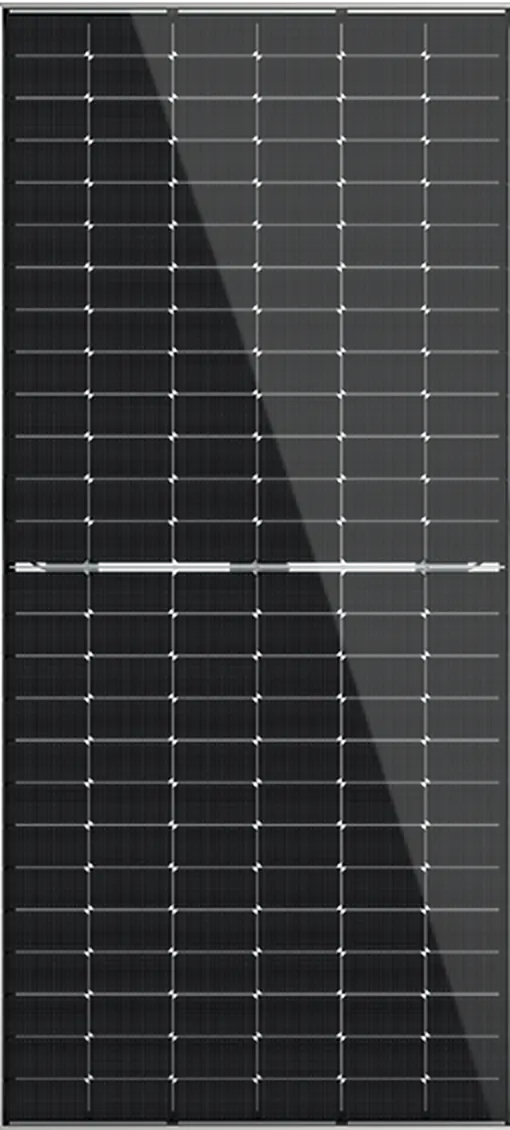
You want named, reputable brands: established inverters such as Sunsynk, Solis, AlphaESS or Huawei, and quality panels like Trina or Jinko, not vague references to "premium components." The inverter in particular should be on your municipality's approved list. If an installer can't or won't name the equipment, keep asking.
5. Can the system grow with me later?
Your needs may change: an electric vehicle, a new home office, a growing family. Ask whether the system can be expanded with more panels or battery capacity down the line, and whether the inverter has the headroom for it. A little foresight now saves an expensive rework later.
Not sure which system you need?
Get a free, no-obligation quote sized to your home, usage and budget. It only takes a minute.
6. Is the battery matched properly to the inverter?
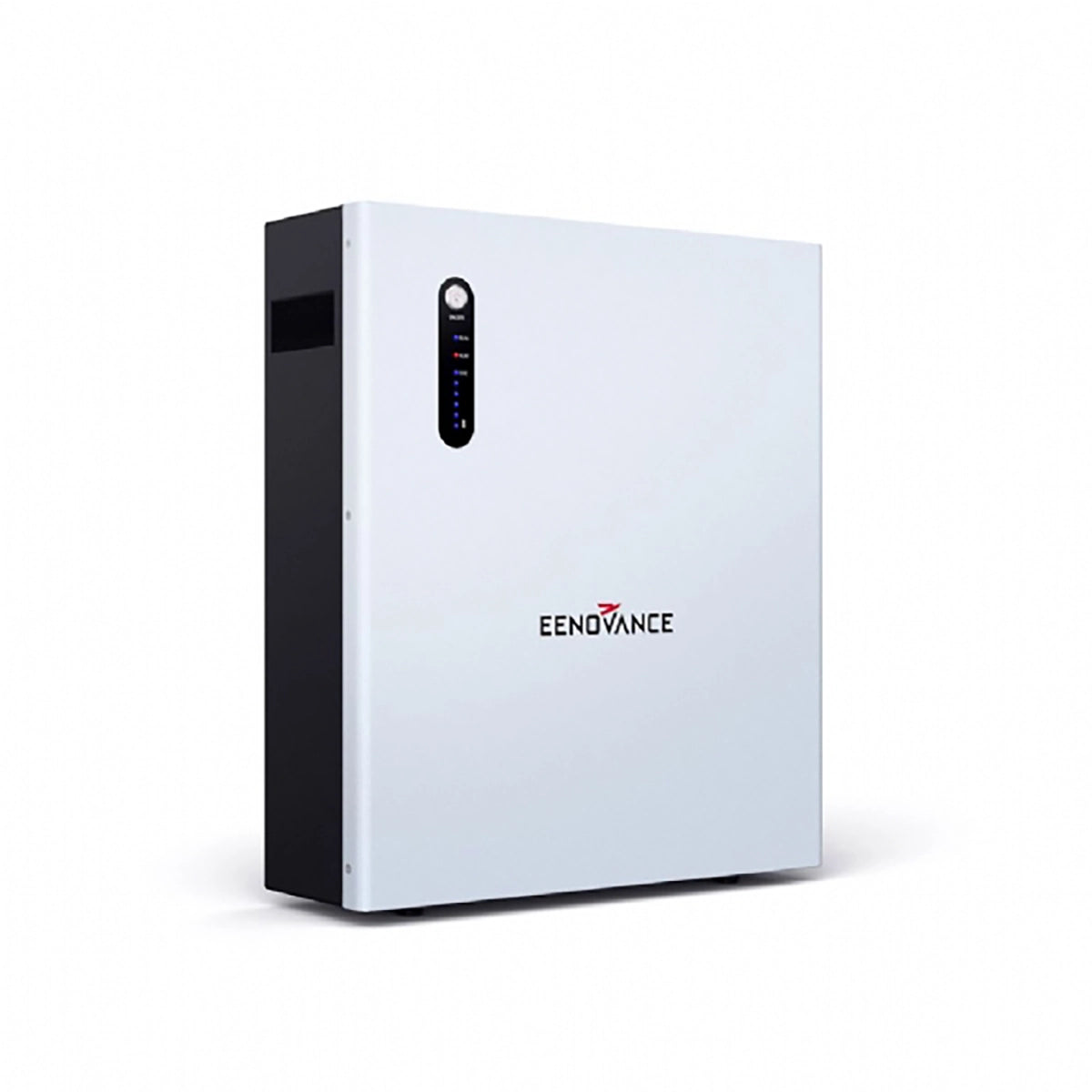
A mismatched battery and inverter underperform and can shorten each other's life. You don't need to master the technical detail, but you should hear a confident explanation of why the chosen battery and inverter work well together. This is exactly the kind of thing a proper installer gets right and a cowboy gets wrong.
Finance and value
7. What are my finance options, and what's the real monthly cost?
Solar doesn't have to be a lump sum. Options include cash, bank energy loans, home-loan funding, rent-to-own and subscriptions. Ask for the total payment schedule, annual increase, ownership date and exit cost rather than a starting monthly figure. Use our solar finance options comparison to put the offers on the same basis.
8. What happens to the finance if I sell my house?
If you're on a rent-to-own or subscription plan, understand how it transfers or settles when you move. This rarely comes up in the sales pitch, but it matters. A straight answer here is a sign of an installer who deals fairly.
9. Is this quote complete, or are there extras?
Ask whether the price includes everything (equipment, installation, compliance paperwork, the Certificate of Compliance, and SSEG registration) or whether items will be billed separately later. A complete written quote protects you from nasty surprises.
Compliance and the long term
10. Who handles my SSEG registration and Certificate of Compliance?
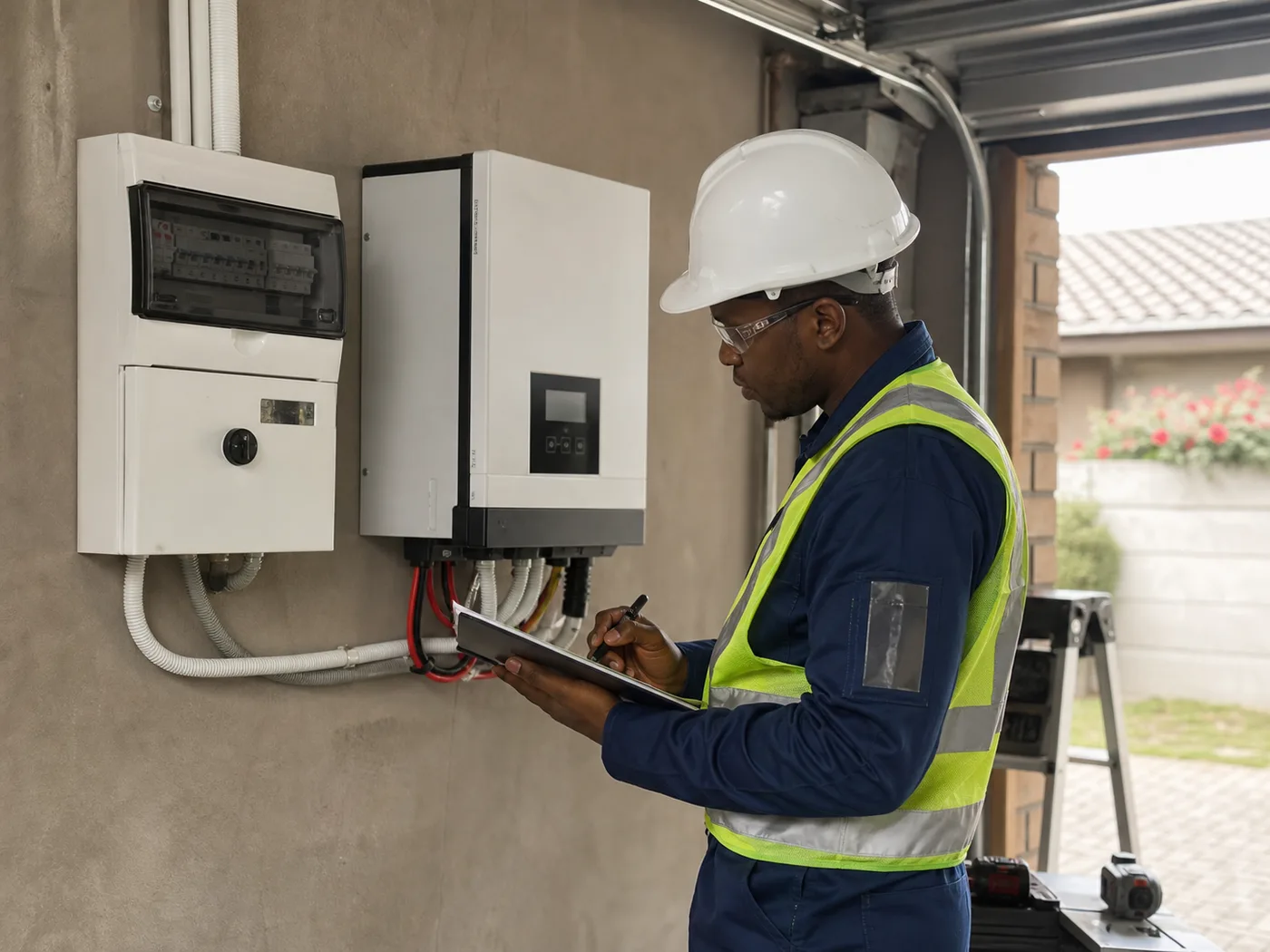
Any grid-tied system needs SSEG registration with your municipality and a Certificate of Compliance from a registered person. A professional installer treats both as part of the job and manages the paperwork for you. If these terms draw a blank look, walk away. Skipped compliance risks fines, insurance rejection and problems when you sell.
11. What exactly do the warranties cover, and who honours them?
Separate the product warranties (from manufacturers), the panel performance warranty, and the installer's own workmanship guarantee. Then ask the harder question: will this company still be here to honour it? A warranty is only as good as the business behind it, which is why an established installer that supplies, installs and warrants the system as one accountable package is worth favouring.
12. What support do I get after installation?
Find out how faults are reported, how quickly they respond, and whether monitoring is included. Solar is a long relationship, not a once-off transaction. The quality of after-sales support often separates a good experience from a frustrating one.
Once you've asked these questions, the answers should point naturally to a system that fits your home rather than an off-the-shelf compromise. For many South African families wanting dependable load-shedding backup and lower bills, a balanced mid-tier system covers the essentials comfortably.
If your household runs heavier, with multiple air conditioners, a pool, or a home office that can't go dark, the questions about winter performance and long outages will usually steer you towards a larger system with more panels and battery capacity.
The point of asking all 12 questions isn't to catch anyone out. It's to make sure the system you buy is the system you actually need, installed by people who will stand behind it.
Free tool
Estimate your system & savings
Move the slider to your monthly bill for an instant, indicative suggestion.
This is an indicative starting point. The site assessment and signed quote confirm the system, current price, equipment, savings and backup time. Rent-to-own payments increase by 6.5% each year.
What's the single most important question to ask before going solar?
"What will and won't run during an outage?" More disappointment comes from mismatched expectations about backup than from any equipment fault. Getting a clear, specific answer about which appliances and circuits the system supports during load-shedding sets you up to be genuinely happy with the result.
How do I know if a solar quote is complete?
Ask directly whether the price includes equipment, installation, the Certificate of Compliance and SSEG registration, or whether those are billed separately. A complete written quote should itemise everything so there are no surprises later. Vague or verbal-only pricing is a warning sign.
Should I ask about finance options even if I can pay cash?
Yes. Comparing outright purchase against rent-to-own or subscription models helps you understand the true value and cash-flow impact. Even cash buyers benefit from seeing how monthly costs stack up against their current Eskom bill, and finance can free up capital for other priorities.
What if an installer can't answer these questions clearly?
Treat vagueness as a red flag. Trustworthy installers welcome scrutiny and give specific, confident answers about equipment, compliance, warranties and support. If you get hesitation or deflection, especially on SSEG registration or who issues your Certificate of Compliance, keep looking.
Does SolarGuide answer these questions and install the system?
SolarGuide is an independent referral partner that helps you compare options and get a free quote. The answers to these questions, and the installation itself, come from Alumo, which supplies, installs, finances and warrants the systems. Pricing is indicative and subject to a site assessment and credit approval.
SolarGuide is an independent referral partner. We help you compare options and arrange a free quote — Alumo supplies, installs, finances and warrants the systems. Pricing is indicative, sourced from Alumo’s published catalogue, and subject to a site assessment and credit approval.