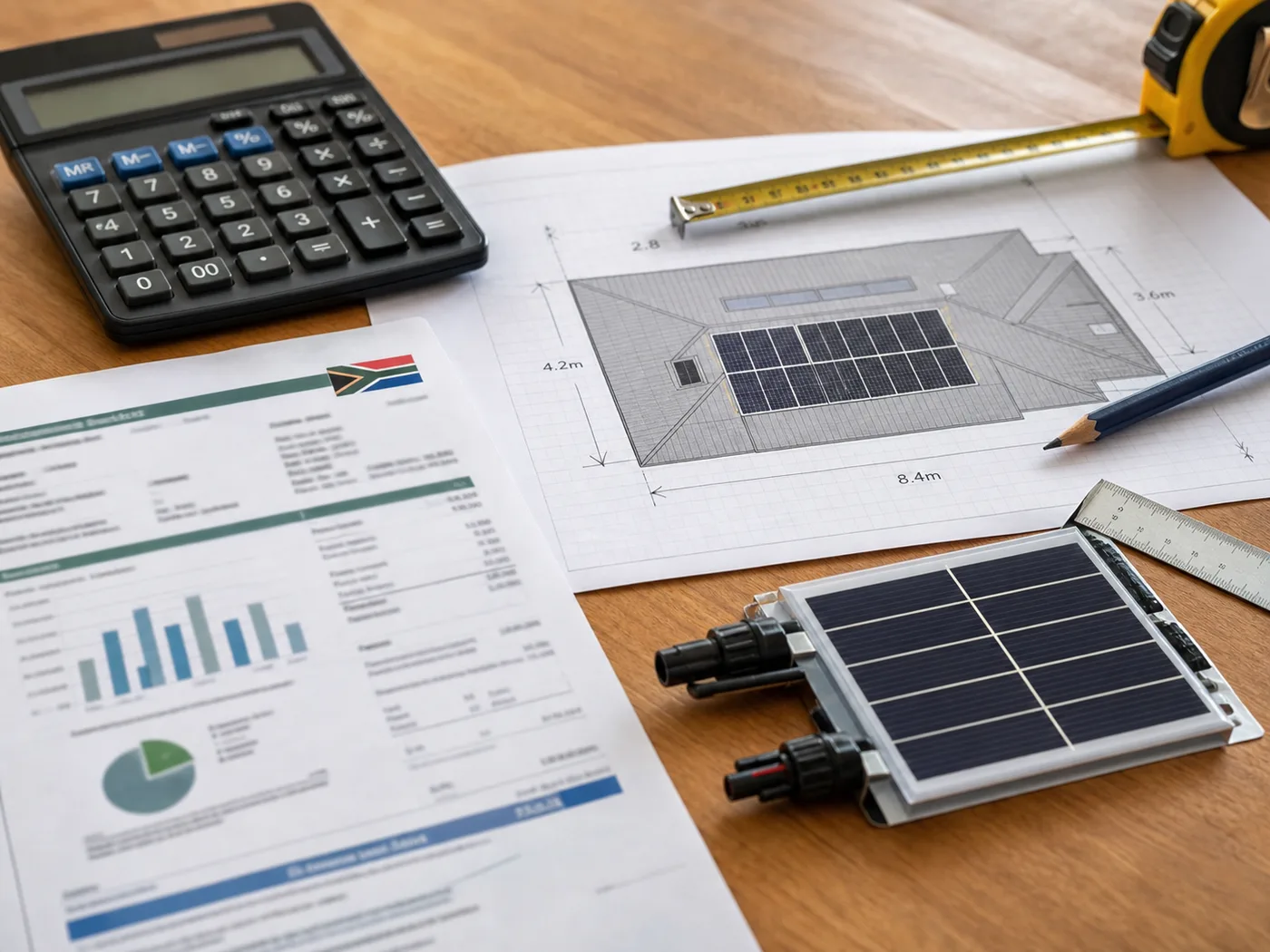
The same system can look very different as an outright purchase, rent-to-own plan or subscription. Compare the published package structures before you request a tailored quote.
If you've started shopping for solar without a big pile of cash, two names probably keep surfacing: GoSolr and Alumo. Both let you get a fully installed solar and battery system without a large upfront payment, both give you a predictable monthly figure, and both promise an end to the load-shedding scramble. On the surface they can look like the same product with different logos.
They're not. GoSolr is built around a subscription rental, while Alumo offers both subscription and rent-to-own. GoSolr's published contract also allows a customer to request a purchase after three years, so "rental versus ownership" is not the whole story. Escalation, purchase price and exit charges matter too. For the wider market context, see our 2026 solar subscription provider comparison.
Key takeaways
GoSolr is subscription-first: the company owns and maintains the system, with a contract option to request purchase after three years.
Alumo offers subscription too, but its signature is rent-to-own, the same monthly-payment feel, except you own the system at the end.
Rent-to-own usually wins on lifetime cost if you stay put; a subscription usually wins on flexibility and zero equipment risk.
Judge both on system sizing, what the fee includes and cancellation terms, not just the monthly headline.
The fundamental difference
GoSolr runs a rental model. The company installs a solar and battery system at your home for no upfront cost, keeps ownership of the equipment, handles maintenance and monitoring, and charges you a monthly fee to use it. Cancel after the minimum term and the system is theirs to reclaim. You never build equity in the hardware; you're paying for the service and the outcome, indefinitely, the way you pay for fibre.
Alumo's current subscriptions are the Hot Deal from R1,299/month, Peachy Deal from R1,699/month, and Big Deal from R2,599/month. Maintenance and insurance are included, and the advertised terms include an option to cancel after 24 months; subscription is not ownership.
1299Hot Deal subscription
1418Watt-a-Deal rent-to-own 7yr
2021 | unit=R | caption=Alumo monthly entry points: Hot Deal subscription and Watt-a-Deal solar + battery rent-to-own over 7 and 3 yearsWatt-a-Deal rent-to-own 3yr
Why "who owns it at the end" matters so much
Over two or three years, a rental and a rent-to-own can cost roughly the same month to month. The divergence happens afterwards. With rent-to-own, once the term ends you stop paying and keep a system that carries on cutting your Eskom bill for years. That tail of free savings is where the real value sits. With a pure subscription the fee never ends, because you never own anything. Neither is wrong. They suit different priorities.
Where GoSolr shines
Let's be fair to the subscription model, because it genuinely fits many people.
If you rent your home, or you're not sure you'll still be in this house in five years, a subscription lets you enjoy solar without sinking capital into a property you might leave. If you want the lowest entry point and a hands-off experience, with no thinking about battery health, firmware or the odd fault, a rental hands all of that risk to the provider. And if your only goal is to be off load-shedding this year with no capital outlay, a no-deposit subscription gets you there fast.
GoSolr has built a recognisable, well-marketed brand around exactly this promise, with plan tiers and metro coverage that make signing up straightforward. For the flexibility-first household, that's a strong offer.
Not sure which system you need?
Get a free, no-obligation quote sized to your home, usage and budget. It only takes a minute.
Alumo's advantage is optionality. Because it offers subscription, rent-to-own and outright purchase under one roof, the same site assessment can quote you across all three, so you compare like-for-like instead of guessing.
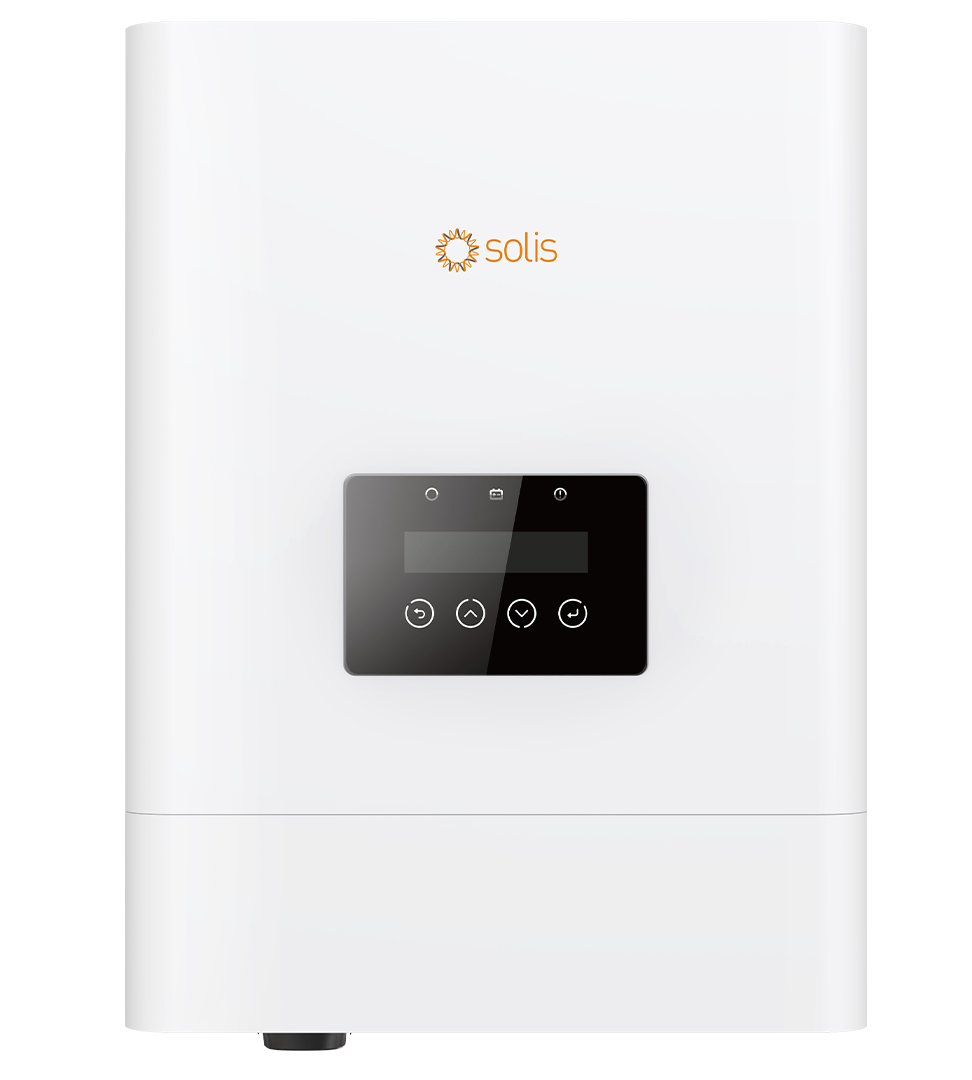
Alumo's current solar-plus-battery rent-to-own range uses a Solis 5kW inverter and Eenovance 5.32kWh battery: Watt-a-Deal has three 615W panels from R1,418/month, The Big Watt has four from R1,487/month, and The Power Bae has six from R1,626/month on a seven-year term. Three- and five-year prices, solar-only configurations and battery-only pricing are available on our current package comparison.
The other quiet advantage is the platform. Alumo builds around well-supported brands like Solis, which matters when a system needs firmware attention or warranty service years down the line. Get a free Alumo quote → if you want to see the subscription and rent-to-own numbers side by side for your own roof.
The honest trade-offs
No model is free of downsides, so here they are plainly.
GoSolr's trade-off
You never own the hardware, so the fee continues for as long as you use the system. Over a long stay in one home, that typically costs more in total than rent-to-own or buying, because you never reach the point where payments stop and the savings run pure. You're buying flexibility, and flexibility has a price.
Alumo's trade-off
Rent-to-own is a longer commitment aimed at ownership, so it suits people who are staying put rather than those who might move soon. If your life is genuinely in flux, the subscription is the better fit, which, conveniently, Alumo also offers. So the trade-off is often just choosing the right one of its own products.
How to choose between them
It comes down to two questions. First: do you want to own the system eventually, or just use it? If own, lean rent-to-own. If use, lean subscription. Second: how settled are you? Staying in this home for years points to rent-to-own; possibly moving, or renting, points to subscription.
The cleanest way to decide is with real figures. Run your usage through a payback estimate, then get one proper assessment that quotes you across the models so the numbers, not the marketing, make the call.
Free planning tool
Solar finance and payback calculator
Compare cash payback with a financed system, using your own bill, tariff and assumptions.
R 2 500
R 110 000
70%
Payment route
Cash payback
5.2 years
20-year net saving
R 851 001
Year-one saving
R 1 750/mo
Estimated array
4.4 kW
About 8 × 550 W panels
Roughly 23.3 m² of usable roof
Indicative scenario only. It excludes finance fees, tax effects, maintenance, export credits and site-specific generation. The assumptions are visible below so the result can be challenged instead of treated as a quote.
It depends entirely on the system size and the model. A pure subscription often has a lower entry point than rent-to-own, but you never own the equipment, so over many years it can cost more in total. We avoid quoting competitor prices that may be out of date; the fair comparison is like-for-like quotes for equivalently sized systems.
Do I own the system with GoSolr?
No. GoSolr operates a rental model, so the company keeps ownership of the equipment and you pay to use it. Alumo's rent-to-own, by contrast, transfers ownership to you at the end of the term. This is the central difference between the two.
Which is better for a home I plan to stay in for years?
Usually rent-to-own or an outright purchase, because the payments eventually end and you keep an asset that carries on saving you money. A subscription is an ongoing fee for as long as you use it, which tends to cost more over a long stay.
Can I start on a subscription and buy later?
Alumo offers subscription, rent-to-own and outright purchase, so you can start low-commitment and pursue ownership later through a separate arrangement. Moving between models isn't automatic, so discuss your intentions upfront during the assessment.
How is SolarGuide involved?
SolarGuide compares providers independently. If you request a quote through this page, Alumo will assess the property and confirm the system, payment terms, final price and warranties. Get a free Alumo quote →
SolarGuide is an independent referral partner. We help you compare options and arrange a free quote — Alumo supplies, installs, finances and warrants the systems. Pricing is indicative, sourced from Alumo’s published catalogue, and subject to a site assessment and credit approval.