All four big South African banks will lend you money for solar, but they do it in different ways. Standard Bank sells a separate unsecured Energy Loan. FNB folds a Solar Energy Loan into your home loan. Absa offers home-loan advances and personal loans. Nedbank combines home-loan routes with vehicle-style asset finance through MFC. The headline "solar loan" hides very different rates, terms and supplier rules.
This guide puts the four banks side by side using only what each bank publishes on its own pages, checked on 21 October 2026. It then runs one worked example: a system costing about R70,000, financed through a bank loan, a home-loan re-advance and installer rent-to-own. If you want the wider picture of cash, subscriptions and leases, start with our solar finance options guide. This page is the bank-by-bank detail.
Key takeaways
The prime lending rate is 10.75% and the repo rate 7.25%, effective 25 September 2026. Every bank route below is priced off prime or set by a personalised credit assessment.
Standard Bank publishes the most detail: R3,000 to R300,000, 12 to 72 months, up to prime plus 6.5%, a R69 monthly fee and an initiation fee of up to R1,207.50.
FNB's Solar Energy Loan sits inside your bond, so it runs for the full home-loan term unless you pay it off faster. It is capped at 15% of the property value with a R50,000 minimum.
A home-loan rate is usually lower than a personal-loan rate, but stretching R70,000 over 15 or 20 years can cost more in interest than the system itself.
Bank loans buy the system outright and leave maintenance and insurance with you. Rent-to-own from an installer such as Alumo includes those services but costs more in total.
The rate everything is priced from
The South African Reserve Bank sets the repo rate. Banks set prime at 3.5 percentage points above it. According to Absa's published indices and Nedbank's repo-rate page, both checked on 21 October 2026:
Rate
Level
Effective
SARB repo rate
7.25%
25 September 2026
Prime lending rate
10.75%
25 September 2026
Nedbank's page lists the next Monetary Policy Committee meeting as 19 November 2026. Any prime-linked solar loan or bond will move with these decisions. A fixed instalment you were shown last month may not be the instalment you pay next year.
Bank solar finance at a glance
Checked on 21 October 2026 against each bank's own pages. "Not published" means the bank's page did not state the figure. It does not mean there is no fee or limit.
Standard Bank
FNB
Absa
Nedbank
Main solar route
Unsecured Energy Loan
Solar Energy Loan inside a home loan
Home-loan re-advance or further advance; personal loan
Home-loan routes; MFC asset finance
Amount
R3,000 to R300,000
Minimum R50,000; up to 15% of property value
Up to R300,000 through a home loan; further advance from R50,000
Not published for asset finance; new home loan up to 110% with the extra 10% for energy
Term
12 to 72 months
Same as the home-loan term
Follows the bond for home-loan routes
Asset finance up to 96 months
Rate basis
Personalised, up to prime plus 6.5%
Your home-loan rate
Variable home-loan rate, with a solar concession described on Absa's Private Wealth page
Not published
Fees
Up to R1,207.50 initiation; R69 a month
Not published in the solar terms
Bond registration on further advances (Absa campaign currently contributes up to R30,000)
Not published
Who is paid
You, into your bank account
The supplier, directly, in stages
Not published
Not published
Supplier rule
Quote or invoice no older than 30 days; LookSee offers bank-vetted suppliers
FNB preferred supplier, or your own supplier meeting FNB's accreditation criteria
Quotation from an accredited solar provider
Nedbank-approved supplier for MFC; SAPVIA-accredited providers for home-loan routes
The table compares published product rules, not offers. Your actual rate, limit and approval depend on the bank's credit and affordability assessment.
Standard Bank: Energy Loan and LookSee
Energy Loan for households
Standard Bank's Energy Loan page is the clearest of the four. Checked on 21 October 2026, it states:
loan amounts from R3,000 to R300,000;
12 to 72 months to repay;
a "personalised interest rate of up to prime plus 6.5%";
an initiation fee of up to R1,207.50 including VAT, depending on the amount;
a R69 monthly service fee;
no penalty or early termination fee for settling early;
a minimum monthly income of R8,000; and
property ownership, or the owner's permission to install.
You need a supplier quote or invoice no older than 30 days. The money is paid into your own account, the same day for Standard Bank clients and the next day for others. That gives you a free choice of installer, but it also means the bank is not checking the installation for you. Optional credit insurance against death, disability, dread disease and retrenchment is offered.
Because the loan is unsecured, it does not touch your bond. At the published ceiling of prime plus 6.5%, the rate would be 17.25% at today's prime. Your offer could be lower.
LookSee
Standard Bank also runs LookSee, a home-efficiency platform that offers "bank-vetted solutions and trusted suppliers" and says you can "rent or buy" solar through it. The Standard Bank page we checked does not publish LookSee prices or finance terms. Treat it as one more marketplace to compare, not as a substitute for comparing total cost.
a "personalised interest rate linked to prime + 2.5%";
a once-off initiation fee of 1.26% of the approved limit and a R69 monthly service fee;
at least two years' trading history for new-to-bank customers; and
grid-tied, hybrid and off-grid systems, with access to Standard Bank's preferred solar PV suppliers.
Funds go into, and repayments come out of, a Standard Bank business current account. If you are financing a commercial system, our business solar finance guide compares bank loans with asset finance, leases and power purchase agreements.
FNB: Solar Energy Loan through your home loan
FNB's alternative energy solutions page lists four routes: available funds in your home-loan facility, a re-advance, a further loan and a solar loan. The page does not publish rates or fees.
The detail sits in FNB's Solar Energy Loan terms and conditions, which were last changed in January 2024 and were still the document FNB served when checked on 21 October 2026. Key rules:
Bond required. You need a mortgage bond registered in FNB's favour, and the solar must go on that property.
Limit. The loan is capped at 15% of the property value, with a minimum of R50,000.
Term. The solar loan forms part of the home loan, so its term is the same as the bond term.
Supplier. Choose an FNB preferred supplier listed on eBucks, or your own supplier if it can show solar PV training and experience (for example a SAPVIA PV Green Card or P4 certificate) and a registered electrician signing off the certificate of compliance.
Payment. FNB pays the supplier directly: a deposit against the quote, then the final payment once you submit an electrical certificate of compliance and proof that your home insurance covers the system.
Deadline. You have six months from when the funds become available to install. Unused money is retained and needs a fresh credit assessment to release.
Insurance. Insuring the solar equipment is a condition of the loan.
The terms also say FNB has negotiated discounts of up to 20% with its preferred suppliers. Compare that against independent quotes rather than assuming it is the lowest price.
FNB's page also mentions FNB Connect contracts on UPS units and batteries from R149 a month. That is backup equipment, not a rooftop solar finance route.
Absa: home-loan advances and personal loans
Absa's older solar-financing URL now returns an error. Its current Solar and Energy Finance page, checked on 21 October 2026, says you can fund solar through your existing home loan, by switching your bond to Absa, or with a personal loan or credit card. It states solar financing of up to R300,000 through a home loan, depending on affordability.
The two home-loan routes differ:
Further advance: minimum R50,000, borrowing against the current market value, with bond registration fees. Absa's Further Advance page says that for applications approved from 22 August 2026 to 31 July 2027, Absa contributes up to R30,000 towards further bond registration costs. Costs above that remain yours.
Re-advance: no minimum loan and no bond registration fees, using what you have already repaid.
Absa's Private Wealth solar page adds more detail. It describes a 0.20% "Absa Solar Loan concession" on your variable rate for a solar re-advance or further advance. It also describes a "Bounce Back" personal solar loan of R3,000 to R300,000 over 12 months to 5 years, "capped at an interest rate of prime +2.5%", for applicants earning at least R2,000 a month with a quotation from an accredited solar provider. That page frames the Bounce Back loan as part of a government initiative, so ask Absa to confirm it is still open, and which concession applies to you, before relying on either.
a new home loan of up to 110% of the property price, with the extra 10% for an energy solution;
NedRevolve, using available money in your facility;
a re-advance or further loan on an existing bond; and
a loan switch to Nedbank.
Nedbank's solar finance page offers MFC asset finance over up to 96 months "at a competitive interest rate", and says it does not require your home loan to be with Nedbank. You need an installation quote from a Nedbank-approved supplier first. The page lists ten approved suppliers, all described as SAPVIA-accredited. Nedbank does not publish rates, fees or loan amounts for these routes. It also advertises standalone solar insurance from R99 a month.
Is a home loan the cheapest way to finance solar?
A secured bond rate is usually lower than an unsecured personal-loan rate. The catch is the term. FNB's solar loan, for example, takes the term of your bond. If 15 years remain, a R70,000 solar draw repaid at the minimum instalment runs for 15 years, long after the battery may need replacing.
You can avoid that by paying the solar portion back faster. Ask the bank what monthly amount clears the advance in five or seven years, and set that up as a voluntary extra payment. Then compare like with like.
Not sure which system you need?
Get a free, no-obligation quote sized to your home, usage and budget. It only takes a minute.
This is a SolarGuide calculation, not a bank quote. It uses a R70,000 system because Alumo's Watt-a-Deal rent-to-own package lists a cash equivalent of R69,959 including VAT. No bank publishes a fixed solar rate, so the rates below are illustrations built from the published prime rate.
Formula and assumptions
Monthly repayment = P × r ÷ (1 − (1 + r)^−n)
P = amount borrowed (R70,000)
r = annual interest rate ÷ 12
n = number of monthly payments
The rate stays the same for the whole term. In reality prime-linked rates move.
Fees are excluded unless shown. Credit insurance, valuation, legal and registration costs are excluded.
Results
Scenario
Rate used
Term
Monthly payment
Total repaid
Interest and fees
Home-loan re-advance, paid off in 7 years
10.75% (prime, illustrative)
84 months
R1,189
R99,909
R29,909
Dedicated solar or personal loan
13.75% (prime plus 3, illustrative)
84 months
R1,302
R109,381
R39,381
Standard Bank Energy Loan at its published ceiling
17.25% (prime plus 6.5)
72 months
R1,636 incl. R69 fee
about R119,000 incl. maximum initiation fee
about R49,000
Home-loan re-advance over 15 remaining bond years
10.75% (prime, illustrative)
180 months
R785
R141,239
R71,239
Home-loan re-advance over 20 remaining bond years
10.75% (prime, illustrative)
240 months
R711
R170,558
R100,558
The lowest monthly payment (20 years) is the most expensive route by far. The cheapest total in this table is the home-loan rate repaid over seven years, which only works if you have bond equity and the discipline to pay it off early.
Your bond rate may be above or below prime. Your personal-loan rate is set by the bank's credit assessment and could be higher or lower than the illustrations. To run your own numbers against your bill, use our solar finance calculator.
Free tool
Estimate your system & savings
Move the slider to your monthly bill for an instant, indicative suggestion.
This is an indicative starting point. The site assessment and signed quote confirm the system, current price, equipment, savings and backup time. Rent-to-own payments increase by 6.5% each year.
Bank loan vs installer finance
Installer finance is the other main route. Alumo, the installation partner SolarGuide refers quote requests to, offers rent-to-own and subscription plans. The figures below were verified on Alumo's plans and pricing portal on 20 October 2026.
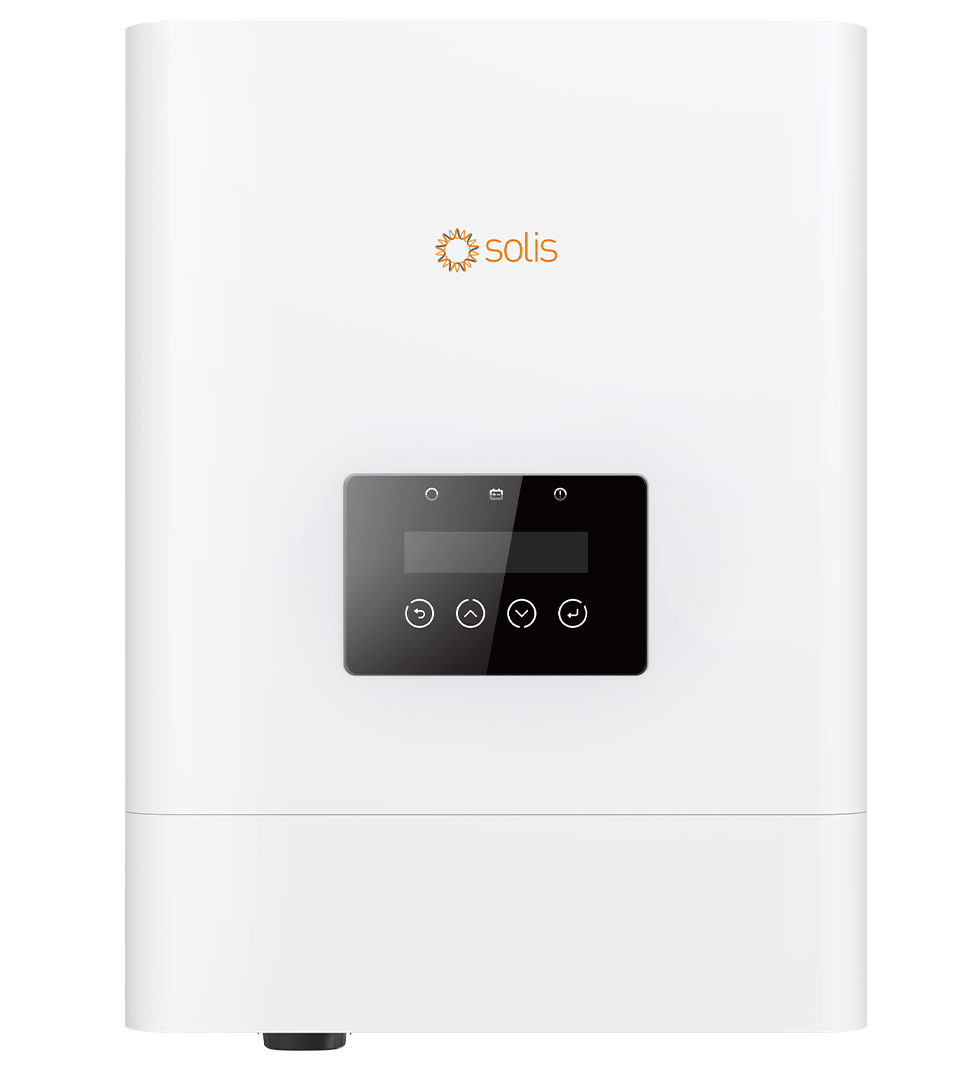
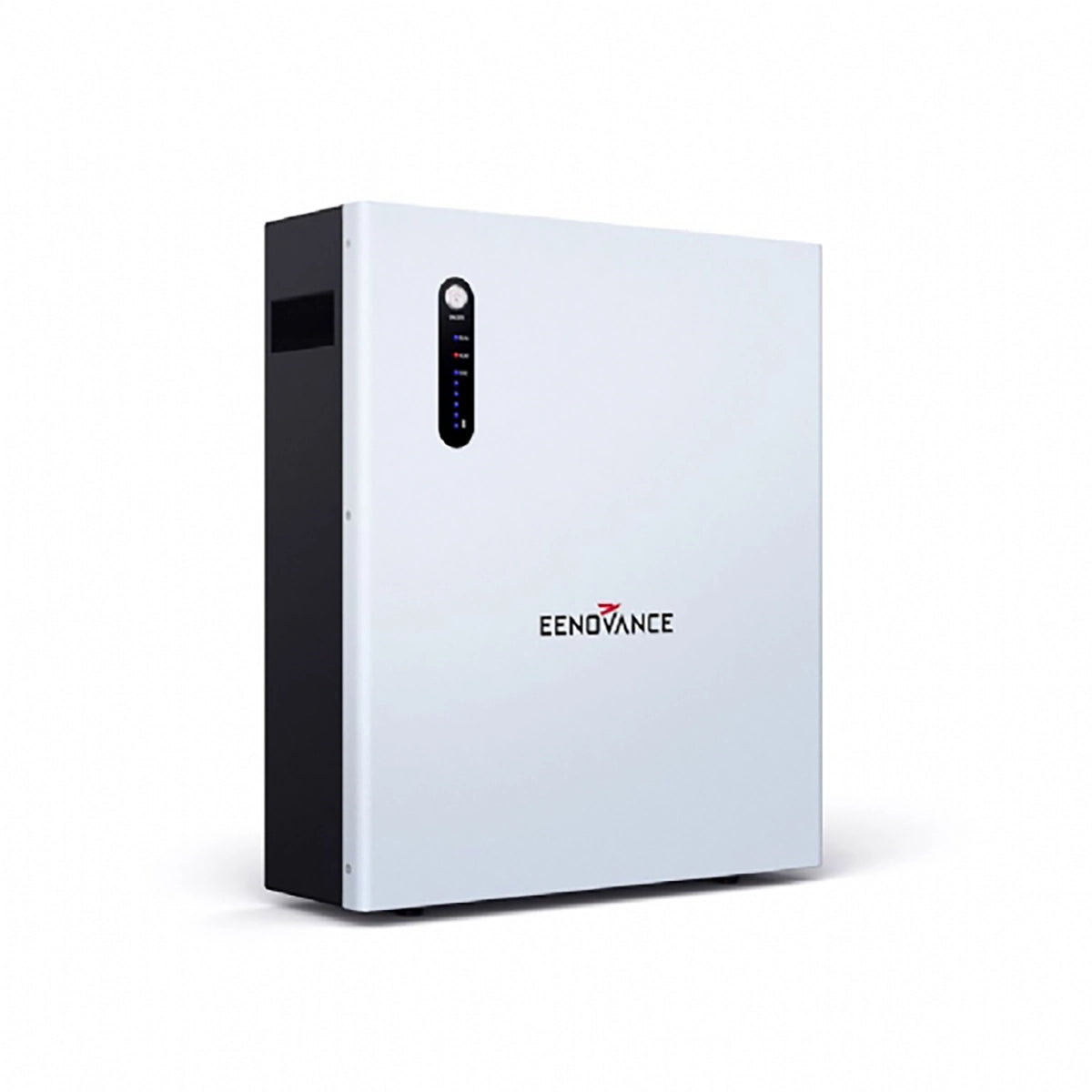
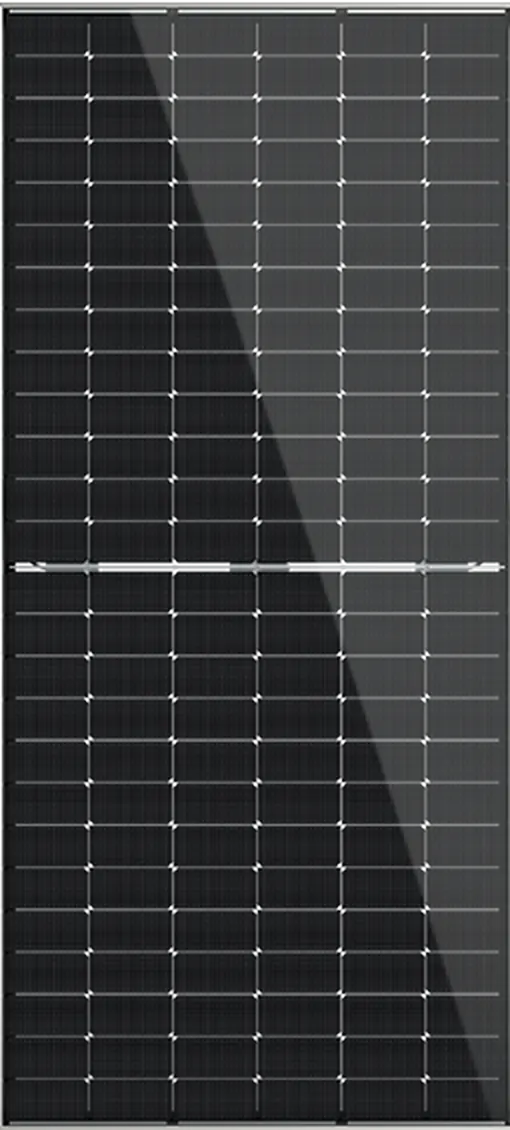
Rent-to-own: Watt-a-Deal (Solis 5kW inverter, Eenovance 5.32kWh battery, three 615W panels) from R1,449 a month over seven years, with 6.5% annual escalation, a R700 initiation fee and an option to own. Five- and three-year terms cost more per month.
Subscription: Essential from R1,499 a month (5kW, 5.32kWh, seven 655W panels), maintenance and insurance included, an initiation fee equal to one month, cancellable after 24 months, and no ownership.
Applying the 6.5% increase once a year, Watt-a-Deal's 84 payments total about R148,196, rising to roughly R2,114 a month in year seven. Adding the R700 initiation fee and the R6,996 end-of-term buyout Alumo lists gives about R155,892. Our rent-to-own vs buying guide walks through that schedule.
Criterion
Bank loan or home-loan advance
Alumo rent-to-own
Alumo subscription
Total cost, R70,000-class system, 7 years
About R99,900 to R119,000 in the example above, plus any fees not shown
About R155,892 scheduled, including initiation and buyout
R1,499 a month for a larger array; ask Alumo for the escalation and total
Ownership
Yours from day one (subject to the bank's security on a bond)
Transfers under the agreement after the term and buyout
Never automatic
Maintenance and insurance
Your responsibility; FNB requires insurance
Annual maintenance and insurance included, per Alumo
Included, per Alumo
Credit check
Yes, plus property assessment for home-loan routes
Yes, credit approval applies
Yes, credit approval applies
Payment changes
Moves with prime
Rises 6.5% each year
Ask for the escalation clause
Installer choice
Free choice for Standard Bank; accredited or approved suppliers for FNB, Absa and Nedbank
Alumo installs and services
Alumo installs and services
The rent-to-own total is higher, but it is not a like-for-like comparison. A bank loan leaves you to arrange your own installer, insurance and maintenance, and to carry the risk of a rising prime rate. Rent-to-own bundles those services with a known escalation and needs no bond equity. Our rent-to-own vs subscription comparison covers the difference between Alumo's two plans.
Which route suits whom?
You have bond equity and will pay it off early: a re-advance at your home-loan rate is usually the lowest-cost borrowing, if you set a five- to seven-year payoff.
You have no bond, or do not want to touch it: Standard Bank's Energy Loan publishes its terms clearly. Get the actual offered rate before comparing.
You want a bank-vetted supplier list: Nedbank's approved suppliers and FNB's preferred suppliers do some screening for you. Still compare prices outside the list.
This is not financial advice. Rates depend on your credit assessment, and every bank route above is subject to approval.
Frequently asked questions
Which bank is best for a solar loan in South Africa?
There is no single best bank. Standard Bank publishes the most complete unsecured terms. FNB and Absa suit homeowners who want to use bond equity. Nedbank's MFC asset finance offers the longest published term without needing a Nedbank home loan. Compare the rate actually offered to you, the term and the total repaid.
Can I add solar to my home loan?
Yes, at all four banks, through a re-advance, further advance, available facility funds or a new loan. Expect a credit check, possibly a property valuation, and bond registration fees on a further advance. Agree a short payoff period so a 20-year bond does not turn solar into 20-year debt.
What is the prime rate for a solar loan right now?
Prime is 10.75%, effective 25 September 2026, with the repo rate at 7.25%. Personal solar loans are usually priced above prime and home-loan advances near your bond rate, but your rate depends on the bank's credit assessment.
Do I have to use the bank's approved installer?
It depends on the bank. Standard Bank pays the Energy Loan to you, so the choice is yours. FNB accepts its preferred suppliers or your own supplier if it meets FNB's accreditation criteria. Absa asks for a quotation from an accredited solar provider, and Nedbank's MFC finance needs a Nedbank-approved supplier.
Is SolarGuide the installer?
No. SolarGuide is an independent comparison site and referral partner. Alumo supplies, installs, finances and warrants the systems, and SolarGuide helps you compare options and request a free quote. SolarGuide does not lend money or arrange any of the bank products above. Prices are indicative and subject to a site assessment and credit approval. Get a free Alumo quote →
Sources and review note
Bank and rate information in this guide was checked on 21 October 2026 against these lender-published pages:
Bank terms are product summaries published by each lender, not credit offers. Where a bank did not publish a rate, fee or limit, this guide says so rather than estimating one. The worked example and the rent-to-own total are SolarGuide calculations using the stated assumptions. SolarGuide earns referral fees from eligible Alumo quote requests and has no commercial relationship with any of the banks named.
SolarGuide is an independent referral partner. We help you compare options and arrange a free quote — Alumo supplies, installs, finances and warrants the systems. Pricing is indicative, sourced from Alumo’s published catalogue, and subject to a site assessment and credit approval.