Two names come up again and again when South Africans price a home solar system: Trina Solar and Jinko Solar. Both are Chinese manufacturing giants, both sit near the top of the industry's shipment rankings year after year, and both turn up on quotes from reputable installers across the country. If you've been handed a proposal listing one or the other, you're looking at a genuinely good panel. The harder question is whether the difference between them should change your decision.
The honest answer, which no salesperson chasing a specific brand will tell you, is that for the average Durban or Pretoria home the gap between a current Trina and a current Jinko panel is small. Both are Tier-1 monocrystalline products built to international standards. But "small" is not "none", and there are real, practical differences in how they are specced, warranted and paired with the rest of your system. This guide walks through what actually distinguishes them for a South African buyer.
Key takeaways
Trina and Jinko are both Tier-1 monocrystalline manufacturers used widely and reliably across South Africa.
Real-world performance differences between comparable current models are small; both are excellent choices.
What matters more is the specific model, its warranty terms, and how well the panel is matched to your inverter and battery.
A quality installer will fit whichever suits your roof and package best — the brand badge is not the decision that changes your bill.
Get a free solar quote
Share your average electricity bill and we will arrange a free, no-obligation quote sized to your home and budget. Compare rent-to-own, subscription and outright options.
Mon–Fri 8am–5pm · Sat 8am–1pm · Free quote across South Africa
Who are Trina and Jinko?
Both companies are among the largest solar panel manufacturers on the planet, and both have been shipping panels for well over a decade. That scale matters for a South African buyer in two ways.
First, it means the panels are made to consistent, audited standards with the international certifications insurers and municipalities expect. Second — and this is easy to overlook — it means the company is likely to still exist in 15 or 20 years when you might need to make a warranty claim. A panel warranty is only as good as the manufacturer standing behind it, and a well-capitalised global brand is a safer bet than a bargain no-name that could vanish before your first outage-heavy winter is out.
Both brands are what the industry loosely calls "Tier 1", a financial-stability ranking rather than a quality score. It is a useful filter for weeding out fly-by-night suppliers, but it does not tell you which of two Tier-1 brands is better. For that you have to look closer.
Efficiency and power output
Modern Trina and Jinko home panels use similar underlying cell technology, and their flagship residential ranges land in a comparable efficiency band. In real terms, a current-generation panel from either brand of the same wattage will produce roughly the same amount of electricity on your roof.
Where you can see a difference is at the specific model level. Each brand releases new panel series regularly, and at any given moment one might edge ahead on a particular spec — a slightly higher efficiency, a marginally better temperature coefficient, a different physical size that fits your roof more neatly. This is why comparing "Trina versus Jinko" in the abstract is less useful than comparing the two exact models on your quotes.
Heat performance matters here
South African roofs run hot, and panels lose output as they heat up. Both brands publish a temperature coefficient — the rate at which performance drops as the panel warms above lab conditions. On comparable current models these figures are close, but if you live somewhere that really cooks, like the Lowveld or the Karoo, it is worth asking your installer for the exact figure on the panels being quoted. A small difference, compounded over thousands of hot afternoons and many years, is worth knowing about.
Not sure which system you need?
Get a free, no-obligation quote sized to your home, usage and budget. It only takes a minute.
Every quality panel comes with two separate warranties, and this is where you should focus your attention rather than on the brand logo.
The product (or materials) warranty covers manufacturing defects and physical failure of the panel itself. The performance (or power output) warranty guarantees the panel will still produce at least a certain percentage of its original output after a set number of years, because all panels degrade slowly over time.
Both Trina and Jinko offer competitive warranties on their residential ranges, and the exact terms shift by model and generation. What you want to check is: how many years of product cover, how many years of performance cover, and what output percentage is guaranteed at the end of that period. Two panels from different brands can look identical on power but differ on warranty length, and over a system that should run for decades, those years are worth real money. Always compare the warranty documents for the specific models, not the brand's general reputation. Get a free quote → if you'd like a full spec sheet to compare side by side.
What matters more than the brand
Here is the part that gets lost in brand debates. The panel is only one component of a solar system, and rarely the one that determines whether you sail through load-shedding or sit in the dark.
Your inverter decides how efficiently the harvested sunlight is converted and managed, and whether the system switches over cleanly when Eskom drops. Your battery determines how long you keep running once the sun sets or during an extended outage. And the installation quality (proper mounting, correct string sizing, tidy wiring, a compliant SSEG connection to your municipality) affects both safety and long-term output more than a marginal spec difference between two good panels.
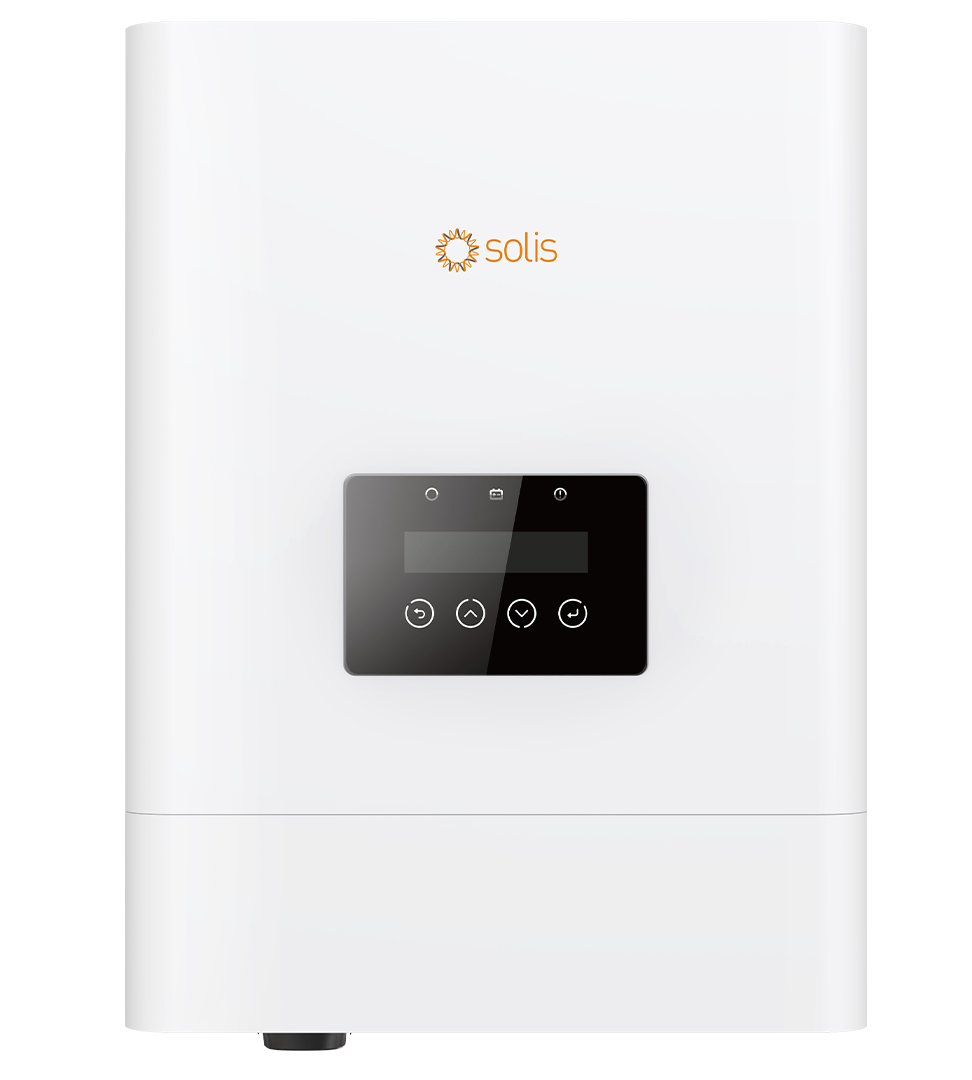
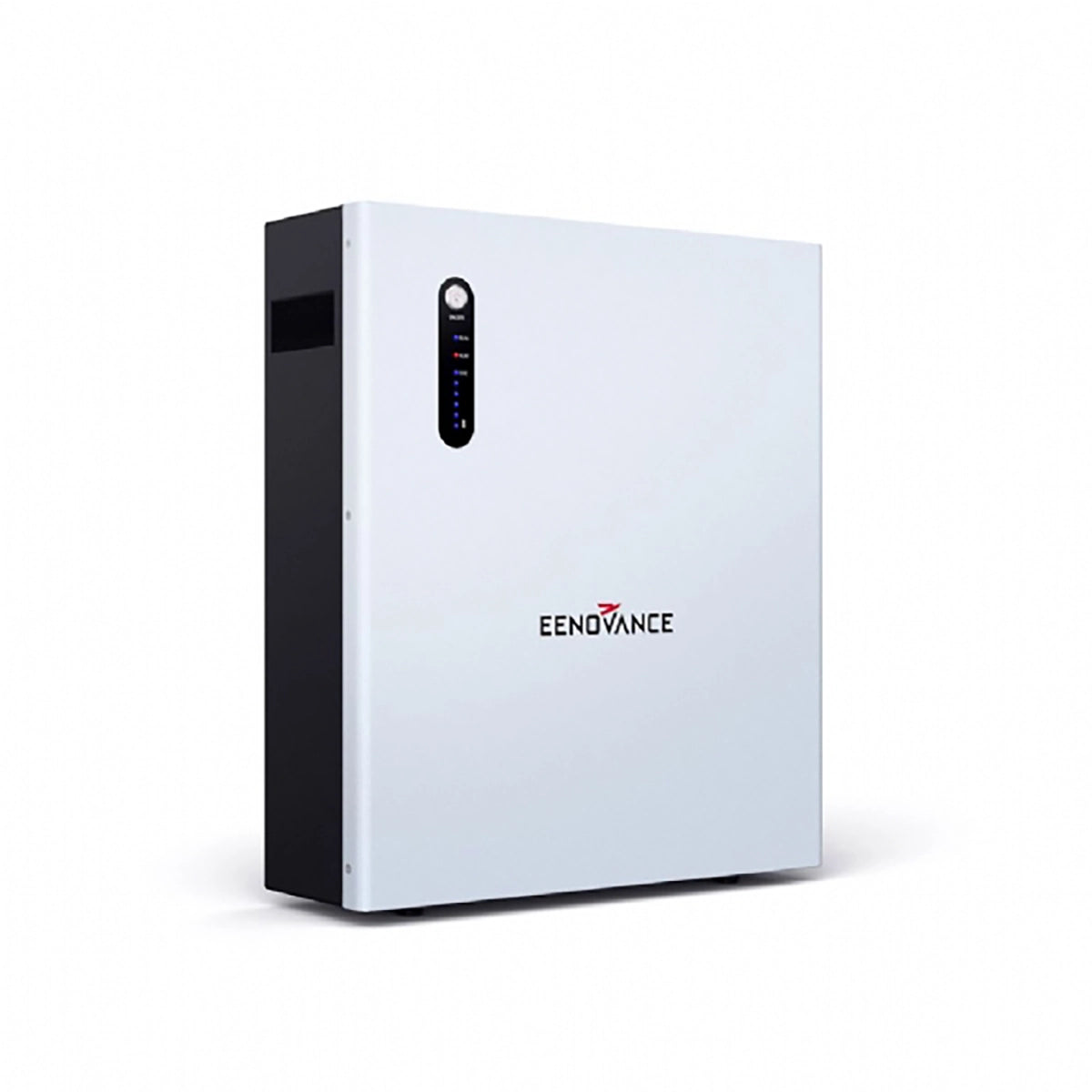
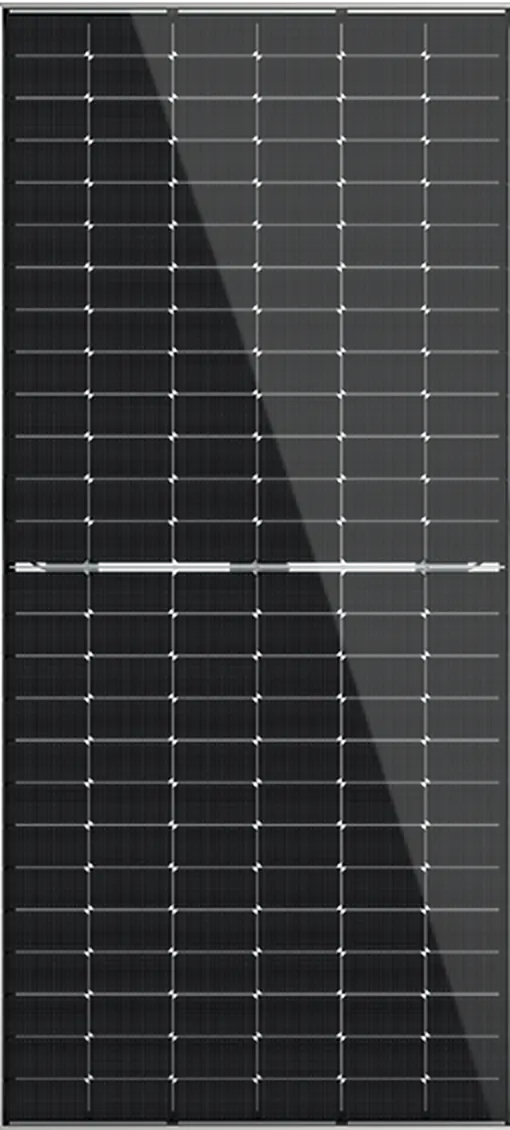
This is why the better solar companies package everything together and fit whichever quality panel suits your roof and tier. Alumo, for instance, lists 615W panels with a Solis 5kW inverter and an Eenovance battery on its current home packages, without naming the panel brand, so ask for it on the quote. You are not really choosing a panel brand — you are choosing a properly engineered system, and the installer picks the panel that fits it.
For a household that wants more headroom (a bigger array to charge a larger battery and carry more of the home through longer bouts of load-shedding) a step up to a six-panel package makes the panel-brand question even less consequential, because you're buying more generation and storage overall.
When two quotes list Trina on one and Jinko on the other, do not agonise over the badge. Instead, line up the details that matter: the exact model and wattage, the two warranty figures, how the panels are matched to the inverter and battery, the total system price, and the installer's track record and after-sales support. Nine times out of ten those factors will point you to a clear choice long before the panel brand does.
If both quotes are otherwise equal and you genuinely can't separate them, either panel will serve you well. That's the luxury of comparing two of the best manufacturers in the business. The far bigger risk is an unknown budget panel from a supplier who may not answer the phone when you need a warranty honoured. Get a free quote → to see a full system specced with quality Trina or Jinko panels, sized against your real usage.
Free tool
Estimate your system & savings
Move the slider to your monthly bill for an instant, indicative suggestion.
This is an indicative starting point. The site assessment and signed quote confirm the system, current price, equipment, savings and backup time. Rent-to-own payments increase by 6.5% each year.
Frequently asked questions
Is Trina better than Jinko?
Neither is clearly better overall. Both are top-tier monocrystalline manufacturers, and comparable current models perform similarly. The better panel for you depends on the specific model, its warranty, and how it is matched to your inverter and battery.
Are Trina and Jinko panels good quality for South African conditions?
Yes. Both are widely used across South Africa, carry the international certifications insurers and municipalities expect, and are built to handle heat and years of outdoor exposure. Reputable installers fit both as standard.
Which brand has the better warranty?
It varies by model and generation, so compare the actual warranty documents on your quotes rather than the brand's general reputation. Check both the product warranty length and the performance warranty percentage at end of term.
Do I get to choose the panel brand when I buy a system?
Usually the installer selects the panel that best fits your roof, package tier and the rest of the system. If you have a strong preference, ask — but the brand is rarely the factor that changes your outcome or your bill.
Does the panel brand affect my load-shedding backup?
Not directly. Panels only generate during daylight; your battery and inverter determine how long you stay powered during an outage. Focus your comparison on battery size and inverter quality as much as the panels.
SolarGuide is an independent referral partner. Alumo supplies, installs, finances and warrants the systems; SolarGuide helps you compare and get a free quote. Pricing is indicative and subject to a site assessment and credit approval.
SolarGuide is an independent referral partner. We help you compare options and arrange a free quote — Alumo supplies, installs, finances and warrants the systems. Pricing is indicative, sourced from Alumo’s published catalogue, and subject to a site assessment and credit approval.