The right inverter and battery pairing matters more than a headline kW or kWh figure. See the models currently listed by SolarGuide, then ask for a quote based on your home and usage.
If you've spent any time on South African solar forums, you've seen the claim: "Sunsynk is just a rebranded Deye." People say it as a gotcha, as if discovering it means one brand is a con. The truth is more useful than the rumour, and it helps you make a better buying decision rather than a cynical one. These two inverters really are closely related. But the differences that remain are exactly the ones that matter when your system needs attention at 8pm on a Tuesday.
This guide explains the actual relationship between Sunsynk and Deye, what genuinely differs between them, and why, for most South African homeowners, the choice comes down to support and peace of mind rather than raw hardware. We'll keep it honest and practical, because this is a decision you live with for a decade.
Key takeaways
Sunsynk and Deye inverters share a common manufacturing origin, so the core hardware is very similar.
The real differences are branding, firmware, local support and warranty backing.
In South Africa, Sunsynk has strong local distribution and support, which matters when something goes wrong.
For most homes, the choice is about who stands behind the unit, not which one is "better" on a spec sheet.
The relationship, explained plainly
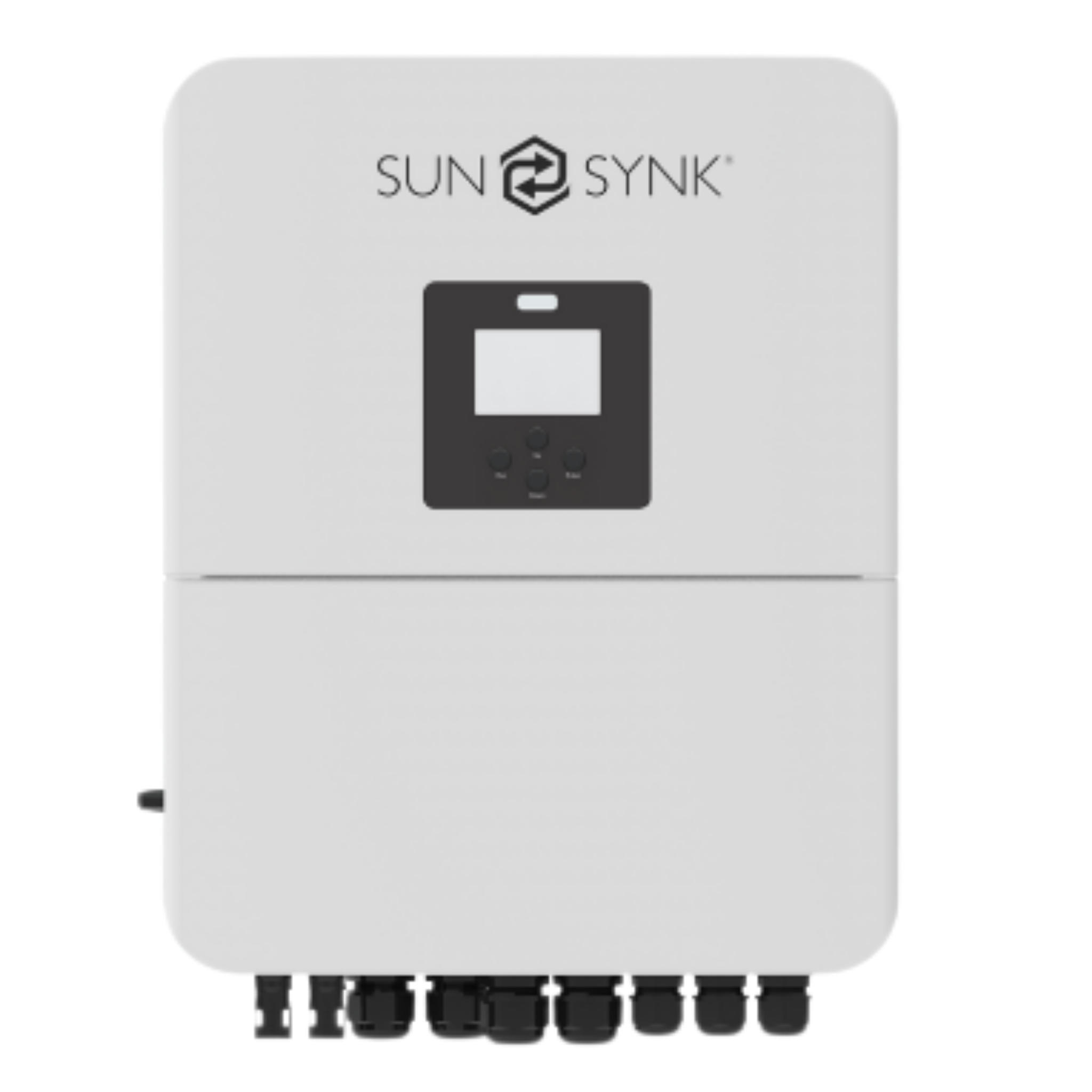
The short version of the rumour is true: Sunsynk and Deye inverters come from the same manufacturing lineage, which is why the units look almost identical and their specifications read as near-twins. Deye is a large Chinese manufacturer, and Sunsynk is a brand that has built its identity, firmware, distribution and support around that hardware platform.
This isn't unusual or shady. Plenty of industries work this way: shared hardware platforms sold under different brands, with different software, support structures and warranties layered on top. A hard drive, a car engine, a phone chipset. The underlying component is common, and the brand adds the ecosystem around it. Inverters are no different. So the takeaway isn't "one is fake" but "the hardware is similar, so judge them on everything else."
What "everything else" means
Once you accept the hardware is close, the comparison shifts to the things a spec sheet doesn't show: the firmware and monitoring software you'll actually use day to day, the strength of local distribution and technical support, and, the big one, whose warranty is standing behind the box when it eventually needs attention. Those aren't footnotes. Over a decade of ownership, they're the whole experience.
Why local support is the deciding factor
Here's the part the "it's just a rebrand" crowd tends to miss. An inverter isn't a once-off purchase you forget about. It runs your home every day for years, it receives firmware updates, and occasionally it needs warranty attention. When that day comes, what you care about isn't the factory that made it but whether there's a well-stocked local support network that can help quickly.
In South Africa, Sunsynk has invested heavily in exactly that: broad distribution, installer familiarity, local warranty backing and readily available parts. That ecosystem is why so many local installers standardise on Sunsynk. When a homeowner needs support, the path to getting it is short and well-trodden. An inverter that's technically excellent but hard to get serviced locally is a worse buy than a similar one with a strong local footprint.
Not sure which system you need?
Get a free, no-obligation quote sized to your home, usage and budget. It only takes a minute.
The software layer matters more than people expect. The app you use to monitor production, check battery levels and see how your system behaves during load-shedding is part of the brand, not the raw hardware. So is the firmware that governs how intelligently the inverter juggles solar, battery and grid. Because local installers work with Sunsynk constantly, they know its firmware quirks, configure it confidently and troubleshoot it fast. That accumulated familiarity is a real, if invisible, benefit.
For a small number of buyers, yes. If you're a technically inclined off-gridder importing your own equipment and doing your own commissioning, you might weigh specific model variants, availability and price directly, and the Deye-versus-Sunsynk decision becomes a more hands-on hardware and cost calculation.
But for the mainstream homeowner who wants a professionally installed, warranted system that just works, that scenario doesn't apply. You're not buying a bare inverter to tinker with; you're buying an installed, supported system. In that context, the sensible question isn't "which brand has a marginally better spec" but "which system does my installer stand behind, support locally and warrant properly." That makes the decision far simpler.
What this means for your purchase
The conclusion is reassuring. You don't need to agonise over Sunsynk versus Deye as if one is a trap. The hardware is similar; the decision is really about the ecosystem around it. For most South African homes, choosing a professionally installed system built on a well-supported brand with strong local backing is the low-risk path.
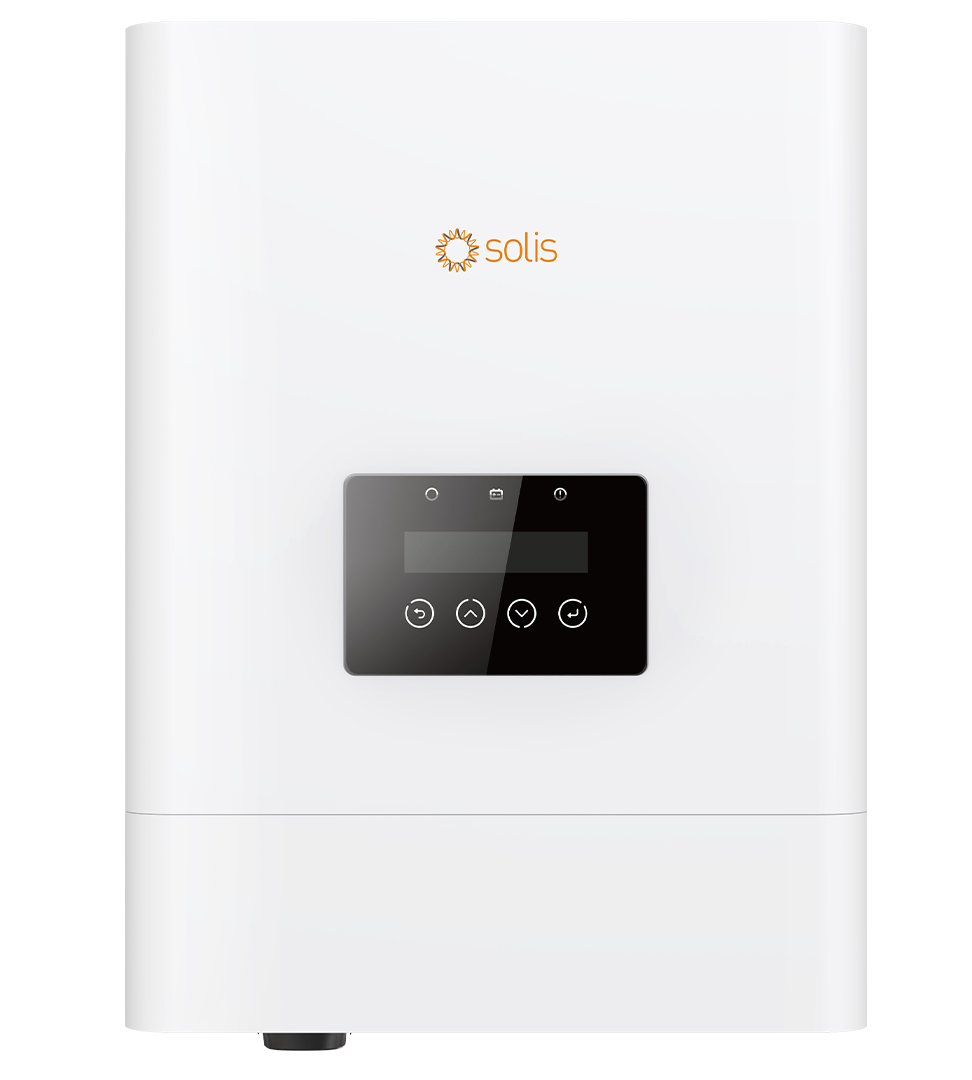
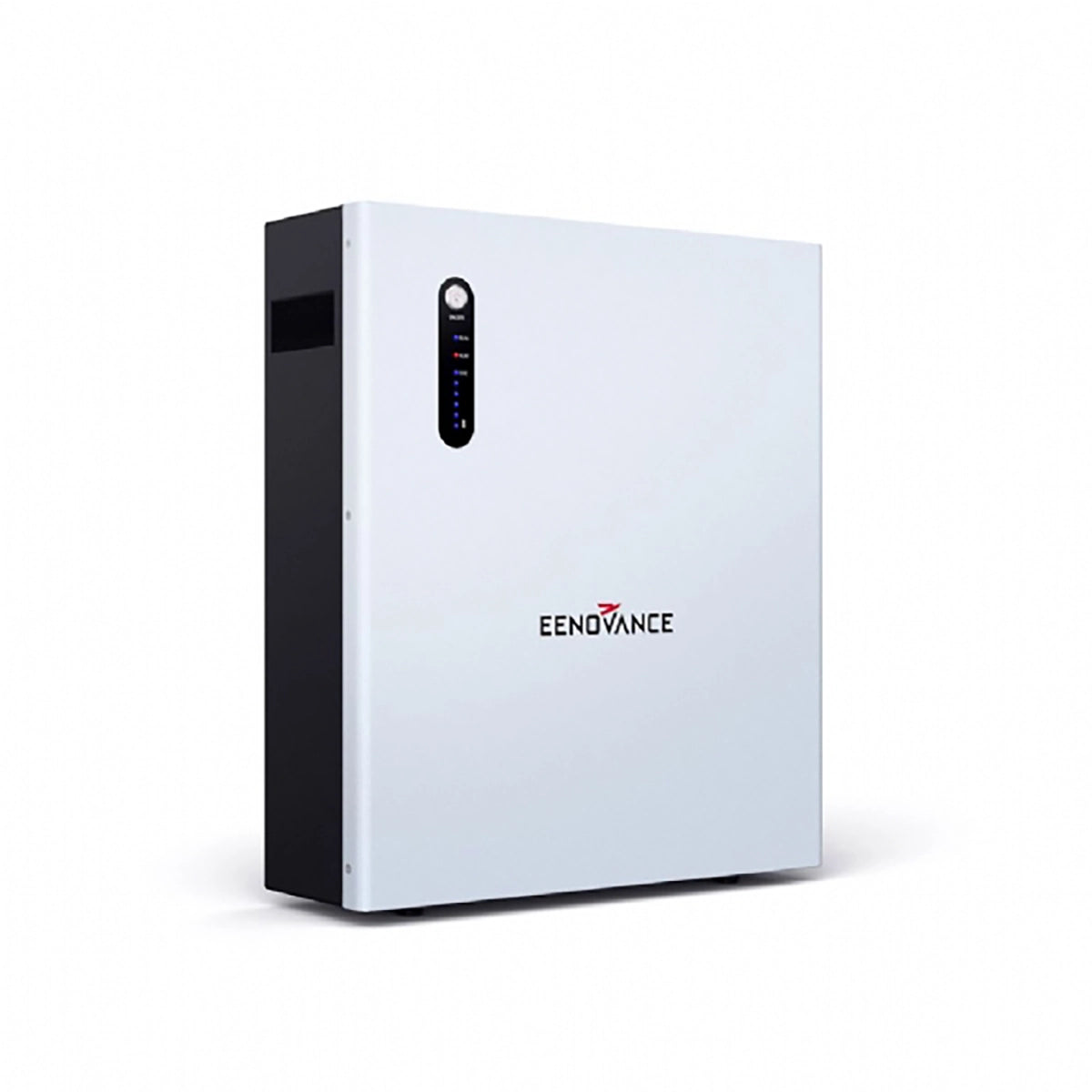
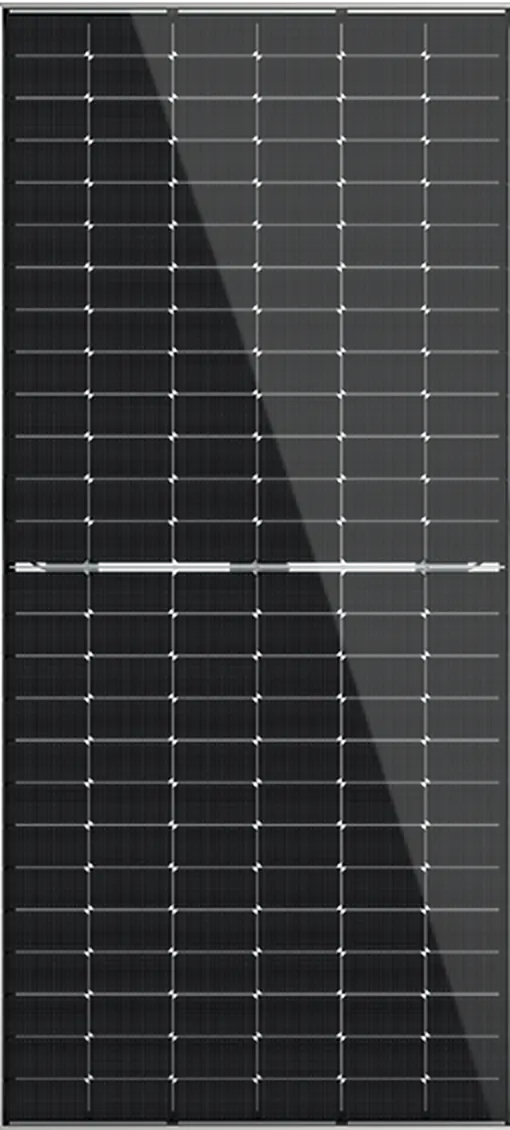
Alumo's current solar-plus-battery rent-to-own range uses a Solis 5kW inverter and Eenovance 5.32kWh battery: Watt-a-Deal has three 615W panels from R1,418/month, The Big Watt has four from R1,487/month, and The Power Bae has six from R1,626/month on a seven-year term. Three- and five-year prices, solar-only configurations and battery-only pricing are available on our current package comparison.
For households that want to run more at once, The Power Bae steps up to six panels on the same inverter and battery. Either way, the value isn't just the inverter model on the label. It's that the whole system is installed, supported and warranted by a company with a local presence, which is the thing that actually protects you years down the line.
So treat the Sunsynk-versus-Deye question as settled rather than fraught. Pick a properly installed, well-supported system, size it correctly for your home through a site assessment, and let the ownership experience be your guide rather than the forum debate.
Free tool
Estimate your system & savings
Move the slider to your monthly bill for an instant, indicative suggestion.
This is an indicative starting point. The site assessment and signed quote confirm the system, current price, equipment, savings and backup time. Rent-to-own payments increase by 6.5% each year.
Frequently asked questions
Is Sunsynk really just a rebranded Deye?
They share a common manufacturing origin, so the core hardware is very similar and the units look almost identical. But Sunsynk adds its own firmware, monitoring software, distribution and — importantly — local warranty and support. So it is a related brand with its own ecosystem, not simply a sticker swap.
Which is better, Sunsynk or Deye?
For most South African homeowners, "better" comes down to local support rather than hardware. Sunsynk has strong local distribution, installer familiarity and warranty backing in South Africa, which makes ownership smoother when you need updates or service. The raw specs are close, so the ecosystem is the deciding factor.
Why do so many South African installers use Sunsynk?
Because its local support network is well established — parts are available, installers know its firmware well, and warranty backing is solid. That reduces risk for both installer and homeowner, which is why it has become a default choice for professionally installed home systems.
Can I mix a Deye inverter with a Sunsynk battery, or vice versa?
Compatibility between inverters and batteries depends on the specific models and their communication protocols, so it is not something to assume. A professional installer matches inverter and battery deliberately to ensure they communicate cleanly, which is part of why a designed, warranted system beats mixing components yourself.
Who supplies and warrants the inverter in an Alumo system?
SolarGuide is an independent referral partner. Alumo supplies, installs, finances and warrants the systems, and all pricing here is indicative and subject to a site assessment and credit approval. We simply help you compare and get a free quote. Get a free quote →
SolarGuide is an independent referral partner. We help you compare options and arrange a free quote — Alumo supplies, installs, finances and warrants the systems. Pricing is indicative, sourced from Alumo’s published catalogue, and subject to a site assessment and credit approval.