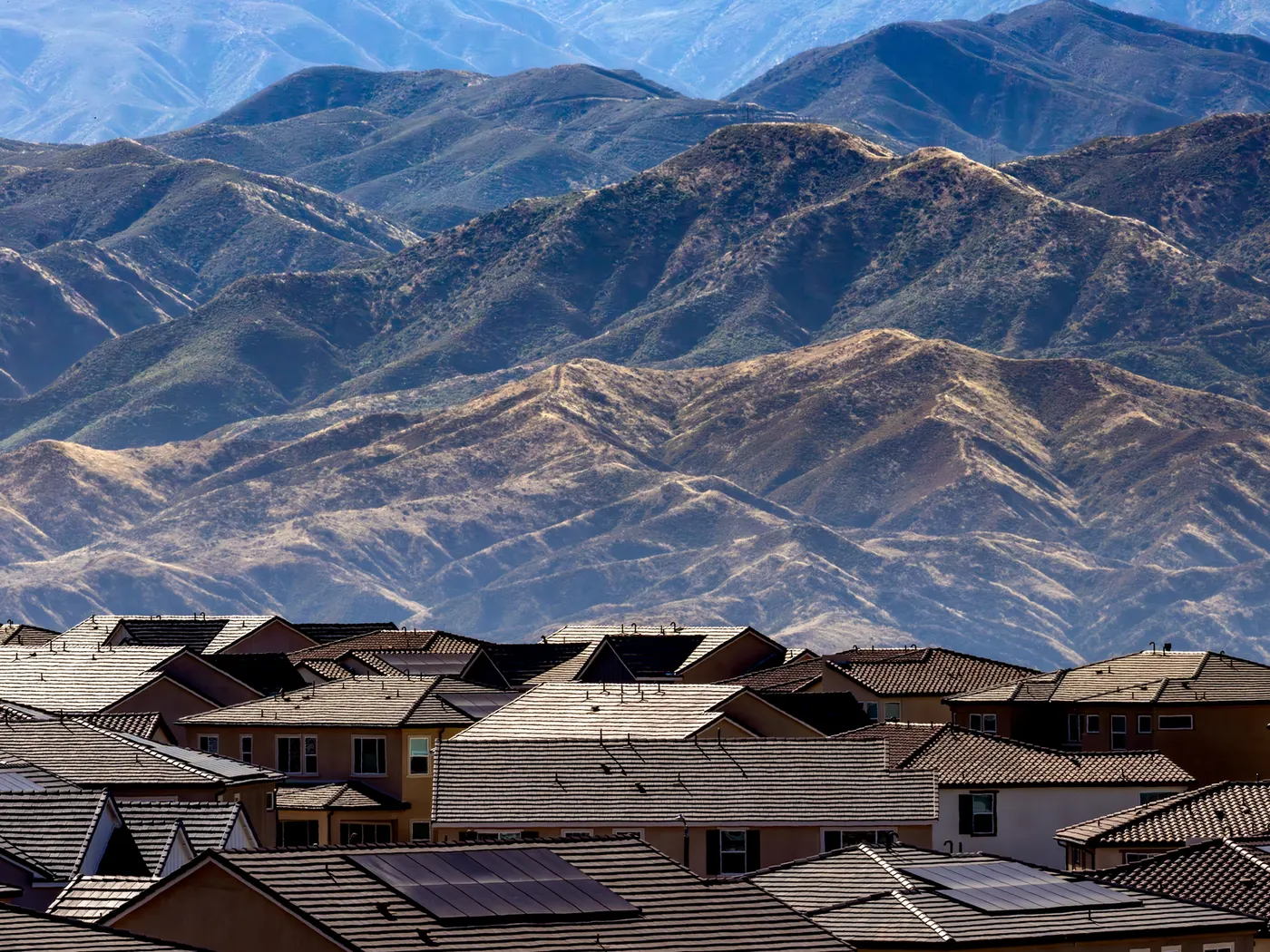
The KwaZulu-Natal North Coast has become one of the country's solar hotspots, and it's easy to see why. Umhlanga and Ballito enjoy warm, sunny weather for most of the year, they sit in an affluent belt of estates and family homes where reliable power is worth paying for, and load-shedding here bites just as hard as anywhere else. But the things that make this stretch of coast so pleasant, the sea air, the humidity and the estate living, also mean a system designed for the Highveld would be the wrong system for a home in Zimbali or on the Umhlanga ridge.
This guide covers what going solar actually looks like from Umhlanga to Ballito: how much sun you can count on, why the ocean changes the equipment conversation, the two municipalities that govern registration up here, roughly what it costs, and how estate living shapes the whole project. The goal is to get you to a confident quote conversation rather than a leap of faith.
Key takeaways
The North Coast delivers warm, generous subtropical sun most of the year, though humidity and sea haze soften peak output a little.
Salt-laden coastal air is corrosive, so mounting hardware and components need to be specified for a beachfront environment.
Umhlanga falls under eThekwini Electricity; Ballito falls under KwaDukuza (iLembe), so there are two different SSEG registration processes.
Estate living adds an architectural-approval layer on top of municipal registration.
Pricing is indicative until a site assessment accounts for your roof, exposure and estate rules.
Get a free solar quote
Share your average electricity bill and we will arrange a free, no-obligation quote sized to your home and budget. Compare rent-to-own, subscription and outright options.
Mon–Fri 8am–5pm · Sat 8am–1pm · Free quote across South Africa
The North Coast sun: warm, generous, humid
The North Coast shares Durban's subtropical climate: warm days almost year-round, mild winters, and none of the frosty Highveld mornings or grey Cape winters that dent output elsewhere. Panels here enjoy plenty of daylight, and generation is steady and reliable across the seasons.
The nuance is moisture. The air along this coast carries more humidity than the interior, and haze or cloud rolling in off the Indian Ocean can trim peak output on any given afternoon. It's not a dealbreaker, the North Coast is good solar country, but it's why a system up here should be sized with a little honest realism rather than assuming clear Highveld skies every day. A good installer designs for the local climate, not a national average.
Summer heat and airflow
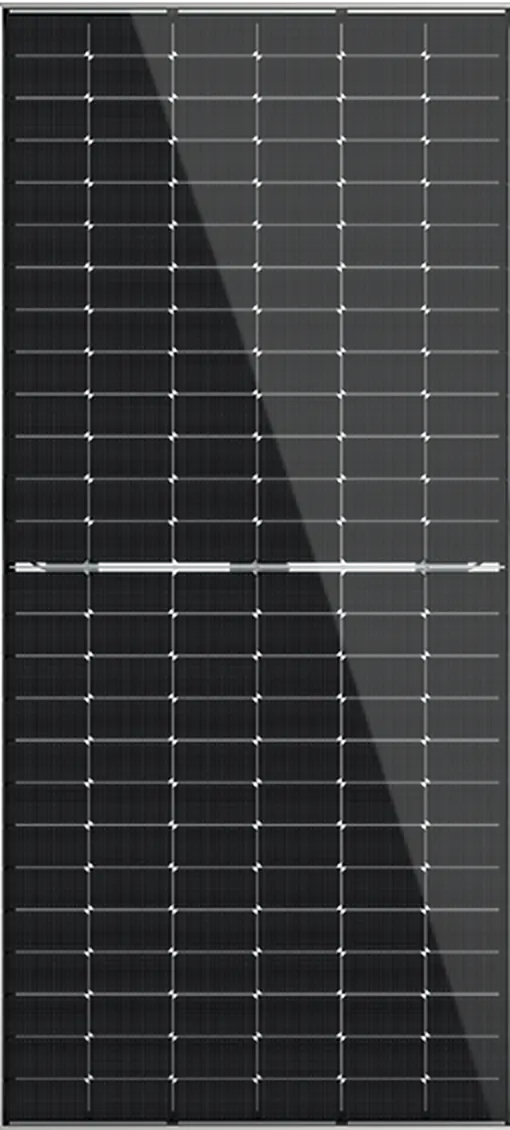
Subtropical summers are hot and sticky, and heat itself slightly reduces panel efficiency. Quality panels from brands like Trina or Jinko handle this well, and proper roof mounting that lets air move behind the panels keeps them cooler. It's a small factor on its own, but one more reason craftsmanship and component quality matter more here than inland.
The coast changes the equipment conversation
This is the big North Coast point. Salt-laden air is corrosive, and homes in Umhlanga, Umdloti, Ballito and the beachfront estates need mounting rails, fasteners and enclosures chosen and installed with corrosion in mind. Cheap racking that would be fine in Pietermaritzburg can degrade far faster within sight of the sea, and replacing corroded structural hardware years later is exactly the avoidable cost a proper spec prevents.
The panels and inverters themselves are generally well-sealed, but the structural components, brackets and connections are where a coastal install earns its keep. An installer who knows this coast will spec differently for a home in Zimbali Coastal Estate than for one set further back in Ballito's inland pockets. Get a free Alumo quote → and a technician will assess your home's exposure first-hand.
Not sure which system you need?
Get a free, no-obligation quote sized to your home, usage and budget. It only takes a minute.
Here's a wrinkle that trips people up. Umhlanga and Durban North fall under eThekwini Electricity, while Ballito, Salt Rock and Sheffield Beach fall under KwaDukuza Local Municipality in the iLembe district. That boundary sits roughly around Tongaat, and it matters because each municipality runs its own Small-Scale Embedded Generator (SSEG) registration process.
Wherever your home sits, a grid-tied solar system must be registered with the relevant municipality as an SSEG. This applies to any system capable of running in parallel with the grid, whether or not you plan to export power. Registration means using approved inverter equipment, obtaining a Certificate of Compliance from a registered professional, and usually fitting a compliant bi-directional meter.
Why you shouldn't skip it
An unregistered grid-tied system can back-feed the network and endanger municipal workers during maintenance, and it can complicate your insurance or the future sale of your home. Because the two municipalities have different forms and timelines, a reputable installer who works across the North Coast will know which process applies to your address and handle the paperwork for you rather than leaving you to figure out whether you're an eThekwini or a KwaDukuza customer.
Estate living adds an approval layer
Much of the North Coast lives behind a boom gate. Estates like Zimbali, Simbithi, Brettenwood, Izinga and Mount Edgecombe have their own architectural guidelines, and many require you to submit panel layouts for approval before installation, sometimes with rules about panel visibility from the street or the colour of mounting rails. This is on top of, not instead of, municipal SSEG registration.
None of this stops you going solar; it just adds a step. The practical move is to loop in your estate's architectural committee early so their approval runs in parallel with the municipal process. An installer familiar with North Coast estates will have navigated these guidelines before and can present a compliant layout the committee is likely to wave through.
What it costs and what a North Coast home needs
Homes up here range from compact Umhlanga apartments to large family houses in Ballito estates with pools and multiple aircons running hard through the humid summer. The decision usually comes down to which goal you're chasing.
If you mainly want load-shedding cover
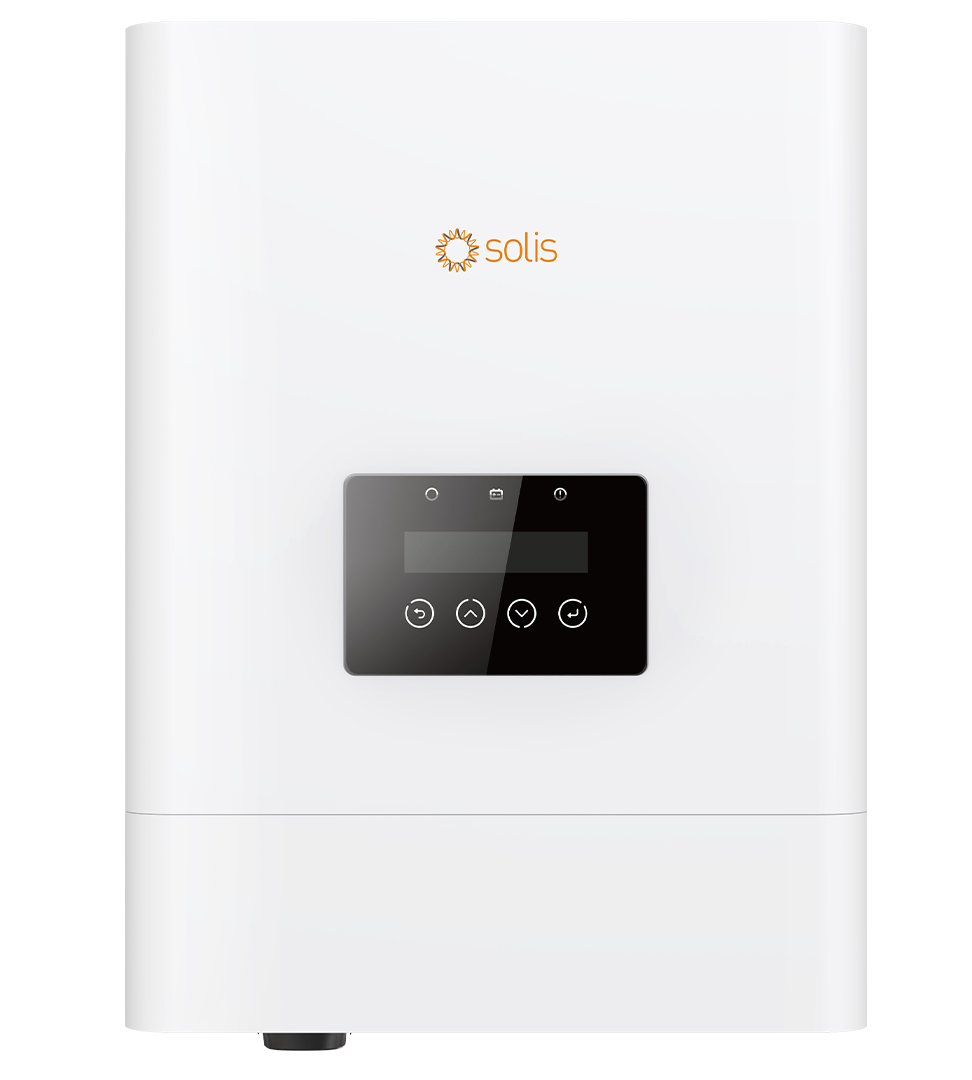
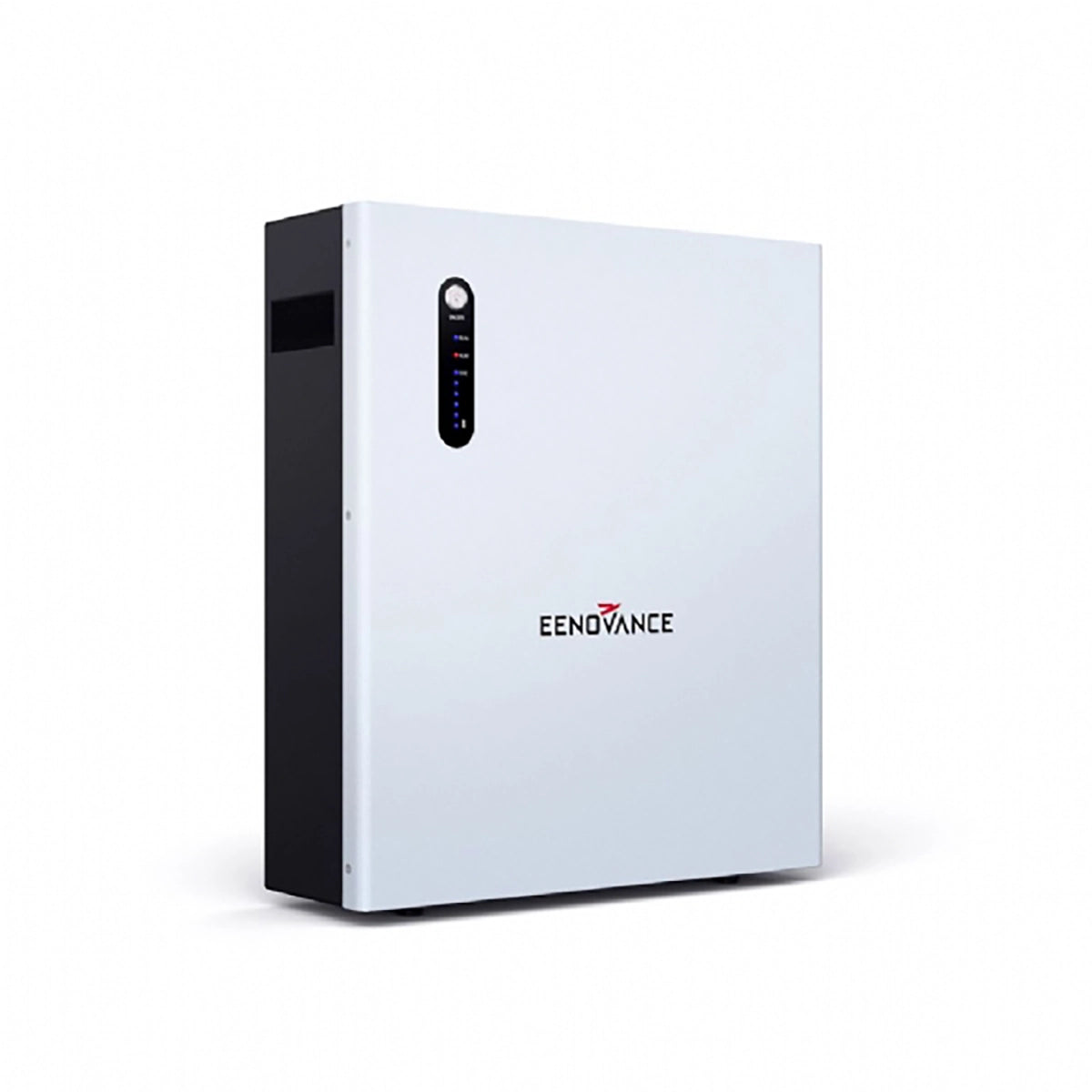
Alumo's current solar-plus-battery rent-to-own range uses a Solis 5kW inverter and Eenovance 5.32kWh battery: Watt-a-Deal has three 615W panels from R1,418/month, The Big Watt has four from R1,487/month, and The Power Bae has six from R1,626/month on a seven-year term. Three- and five-year prices, solar-only configurations and battery-only pricing are available on our current package comparison.
Aircon-heavy summers mean North Coast bills can climb fast, and much of that cooling runs into the evening. Cutting the bill means enough panels to cover a solid chunk of daytime load, plus a battery to carry the evening peak. A 5kW inverter with six panels and a battery is the common sweet spot, and Alumo's The Power Bae is built around that specification.
On a three-year rent-to-own term, Alumo's solar-plus-battery packages currently run from R2,021 to R2,327 a month. Outright systems are quoted after a site assessment. Because aircon load, coastal specification and estate rules all shape the design, your real number is best confirmed on site. Get a free Alumo quote → and a technician will size it against your actual usage.
Roofs, orientation and the evening peak
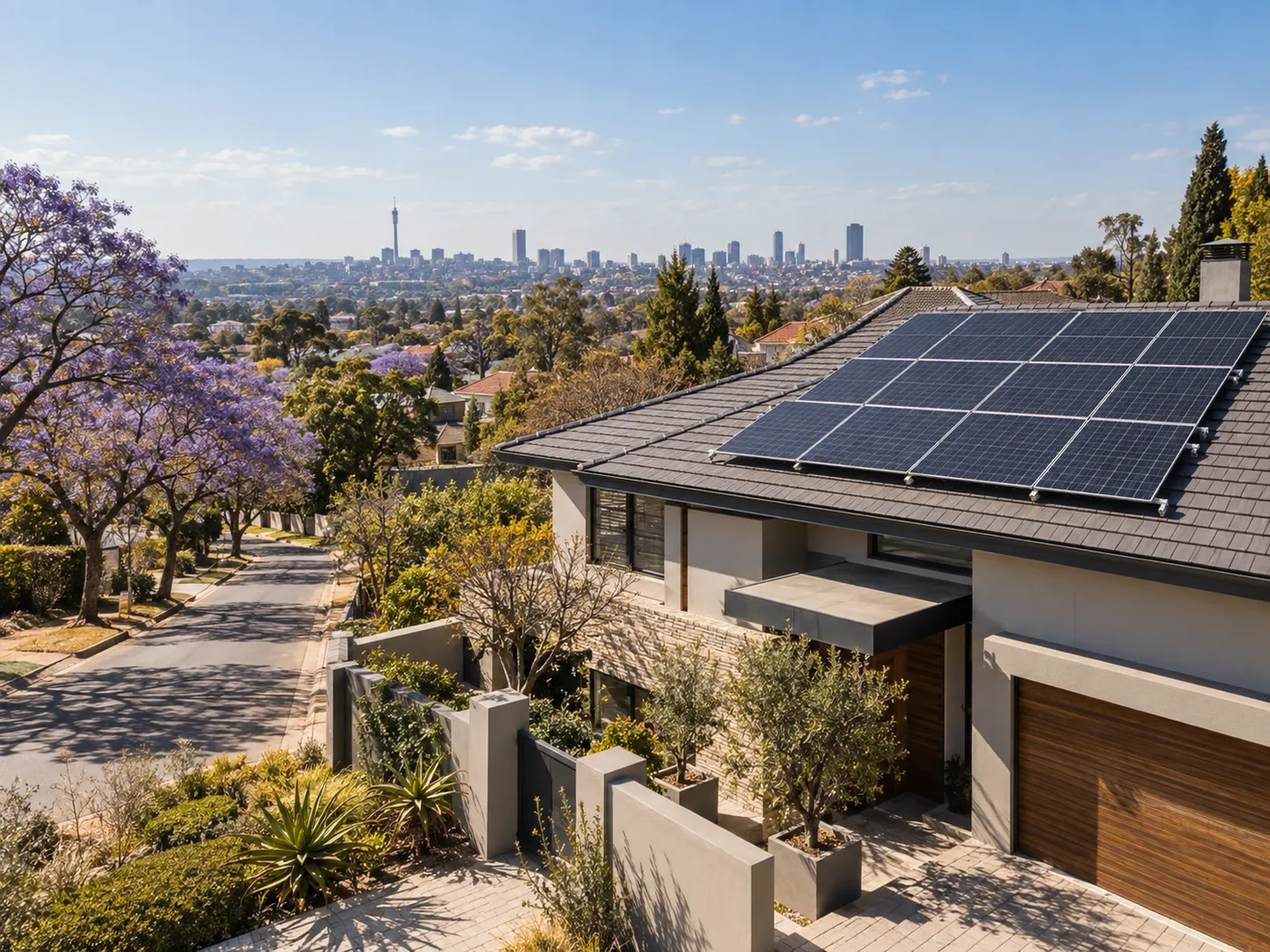
North-facing roof sections capture the most sun across the day, with east and west faces close behind. North Coast estate homes often have clean, modern, well-oriented roofs that make for tidy installs, though some have complex pitches or face-brick aesthetics that shape where panels can go. A daytime shading survey across the seasons is the only reliable way to plan the layout, which a site assessment covers.
The bigger design driver up here is often the evening. Aircon is frequently the single largest item on a North Coast electricity bill, and much of it runs after sunset. That makes battery sizing especially important: solar handles the daytime cooling, but you want enough storage to carry a comfortable evening. A good installer looks at your whole consumption pattern, not just your roof.
Free tool
Estimate your system & savings
Move the slider to your monthly bill for an instant, indicative suggestion.
This is an indicative starting point. The site assessment and signed quote confirm the system, current price, equipment, savings and backup time. Rent-to-own payments increase by 6.5% each year.
Frequently asked questions
Do Umhlanga and Ballito use the same solar registration process?
No. Umhlanga falls under eThekwini Electricity, while Ballito falls under KwaDukuza Local Municipality in the iLembe district. Each runs its own Small-Scale Embedded Generator registration process, so the correct one depends on your exact address. A reputable installer working across the North Coast will handle the right one for you.
Does living near the sea affect my solar system?
Yes. Salt-laden coastal air is corrosive, so homes near the ocean need corrosion-resistant mounting hardware, fasteners and quality components. It doesn't stop you going solar; it means the installer should specify appropriately for a coastal environment, which a site assessment ensures.
Do I need estate approval as well as municipal registration?
Usually, yes. Estates like Zimbali, Simbithi and Mount Edgecombe have architectural guidelines and often require you to submit panel layouts for approval before installation. This sits alongside, not instead of, municipal SSEG registration, so it's worth starting both processes early.
How much does home solar cost on the North Coast?
Alumo currently describes outright systems as bespoke and confirms the cash purchase price after assessing the property and energy use. Rental buyout and cash-equivalent figures should not be treated as a current outright quote.
Who installs and warrants the system?
Alumo supplies, installs, finances and warrants the systems. SolarGuide is an independent referral partner that helps you compare options and get a free, no-obligation quote. Pricing is indicative and subject to a site assessment and credit approval.
SolarGuide is an independent referral partner. We help you compare options and arrange a free quote — Alumo supplies, installs, finances and warrants the systems. Pricing is indicative, sourced from Alumo’s published catalogue, and subject to a site assessment and credit approval.