Johannesburg is a strong solar city for a simple reason: the sun is dependable and the bills are not. The Highveld delivers some of the most consistent sunshine in the country, while the cost of grid power keeps climbing and the supply keeps disappointing. That combination is what makes a well-sized system here worth the money.
But Joburg is also a big, uneven metro, and the practical detail matters more than the sales pitch. A house in Randburg, a townhouse in Midrand, a family home in Soweto and a cluster in Roodepoort face different bills, different roofs and — critically — sometimes different electricity suppliers. This guide covers what going solar in Johannesburg actually involves: the sun you can count on, who you register with, what it costs, and how to size a system for your own home.
Key takeaways
The Highveld gives Joburg strong year-round sun, with dry, clear winters that keep panels producing when bills peak.
Grid-tied systems must be registered as a Small-Scale Embedded Generator (SSEG) before you switch on.
Not every Joburg address is a City Power customer — parts of the metro are supplied directly by Eskom, which changes who you register with.
The East Rand and West Rand are separate municipalities, so their rules are not Joburg's.
Pricing is indicative until a site assessment accounts for your roof, shading and actual usage.
Get a free solar quote
Share your average electricity bill and we will arrange a free, no-obligation quote sized to your home and budget. Compare rent-to-own, subscription and outright options.
Mon–Fri 8am–5pm · Sat 8am–1pm · Free quote across South Africa
Joburg's sun: high, dry and reliable
Johannesburg sits at roughly 1,750 metres on the Highveld, and altitude is genuinely an advantage for solar. The air is thin and clear, and the city gets long, bright days for most of the year. Summer brings warm mornings and sharp afternoon thunderstorms that pass quickly rather than sitting overhead all day.
The real advantage is winter. Where a coastal system battles grey, wet months, a Joburg winter is cold but dry and cloudless. Panels keep producing strongly through exactly the period when heating, geysers and lighting push your consumption up. That seasonal alignment is why Highveld systems tend to perform closer to their annual expectations than systems in wetter parts of the country.
Panels also lose a little efficiency as they get hot, so Joburg's cool, clear winter days can be surprisingly productive. The trade-off is dust: the Highveld is dry, and a dusty array produces less. An occasional clean matters more here than in a rainier climate.
The rules: who you actually register with
Any grid-tied solar system — one that operates in parallel with the municipal grid — must be registered as a Small-Scale Embedded Generator before it is switched on. This applies whether or not you intend to export power. It is not optional, and it is not a formality that installers can skip.
Registration generally means using approved, grid-compliant inverter equipment, obtaining a Certificate of Compliance from a registered person, and in most cases having a compliant bi-directional meter installed. A competent installer handles this paperwork as part of the job.
The part most Joburg guides get wrong
Here is the detail that trips people up: being inside the City of Johannesburg metro does not automatically make you a City Power customer. City Power is the metro's distributor for most, but not all, of Johannesburg. A number of areas within the metro boundary are supplied directly by Eskom, and those customers register through Eskom's own SSEG process instead.
The two routes have different forms, different requirements and different timelines. Getting this wrong means submitting paperwork to an entity that has no record of your connection.
Fortunately, checking is easy: look at your electricity bill or your prepaid meter receipt. If you buy power from City Power, you are a City Power customer. If your bill or token receipt comes from Eskom, you register with Eskom. Do this before you get quotes, and tell your installer which one you are — it affects the paperwork and the timeline they should be quoting you.
And if you are not actually in Johannesburg
"Joburg" in conversation covers a lot more ground than the City of Johannesburg does on a map. The East Rand — Benoni, Boksburg, Kempton Park, Germiston, Edenvale — falls under the City of Ekurhuleni, a separate metro with its own SSEG process. Krugersdorp and Roodepoort's western edge run into Mogale City. Midrand is City of Johannesburg, despite sitting closer to Pretoria than to the CBD.
If you are near a boundary, confirm your municipality before assuming Joburg's rules apply to you.
Why compliance is worth the trouble
An unregistered grid-tied system can back-feed the network and endanger the people working on it. Beyond the safety issue, an undocumented installation can complicate an insurance claim after a fire or a storm, and it tends to surface awkwardly during a property sale when the buyer's attorney asks for a CoC. Registering keeps you compliant, insurable and eligible for any feed-in credit your supplier offers.
Johannesburg housing stock is enormously varied, and the right system follows your bill rather than your suburb. The decision usually comes down to which of two goals you are actually solving for.
If you mainly want load-shedding cover
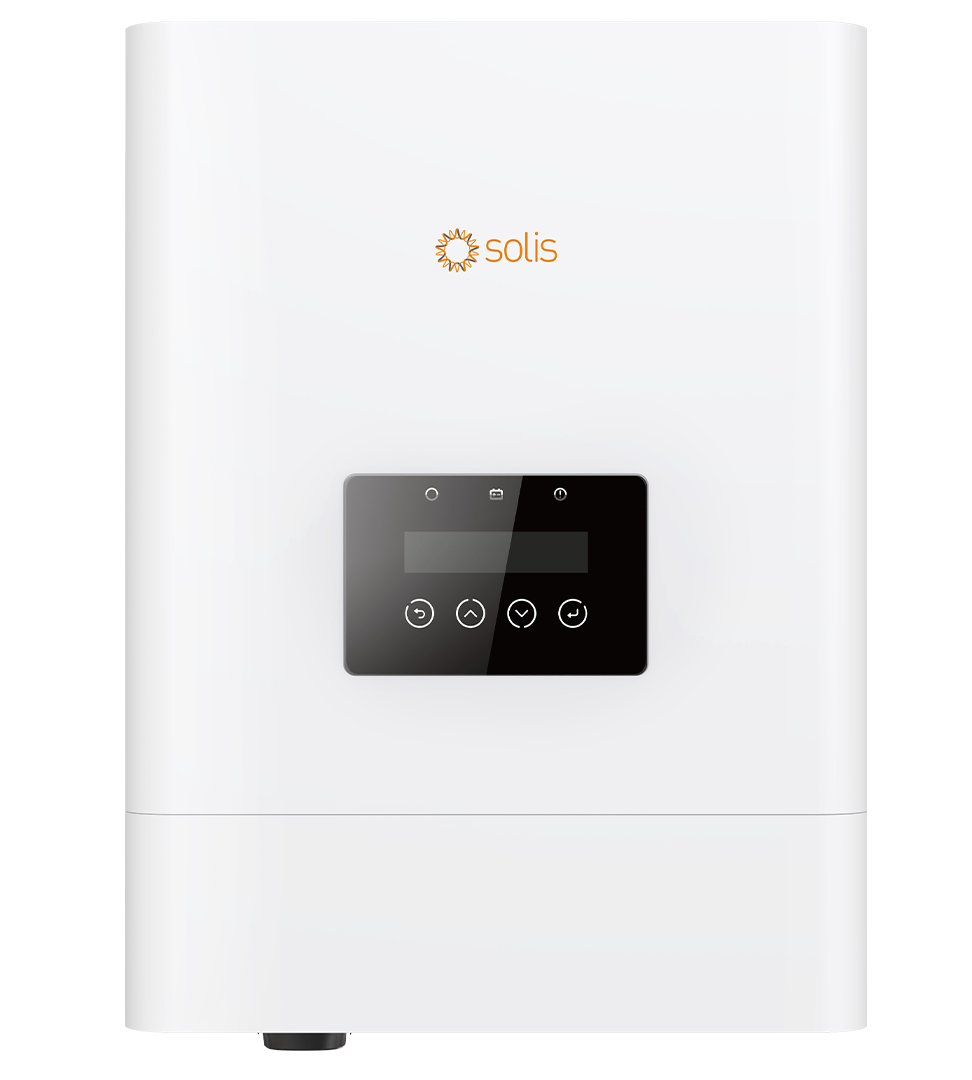
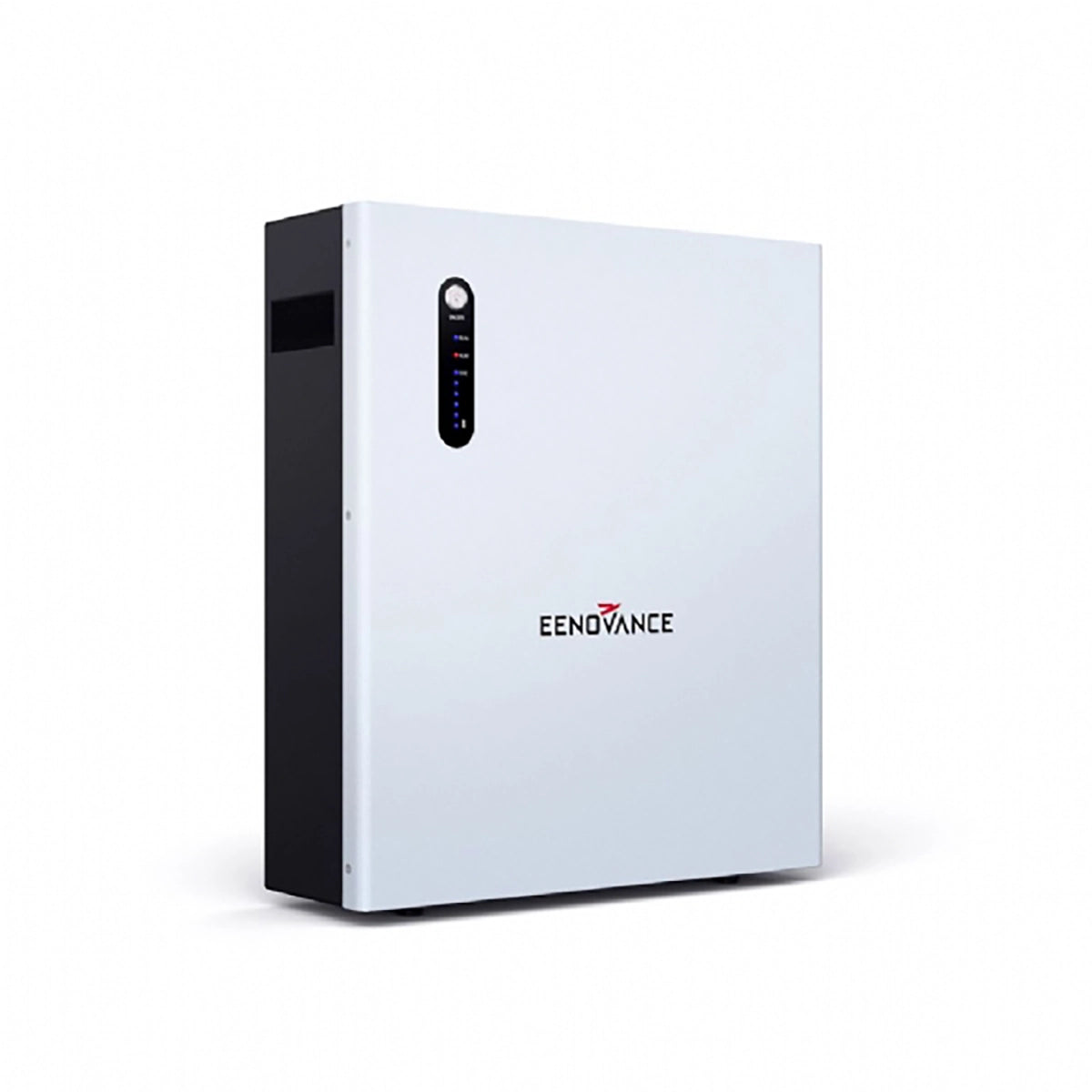
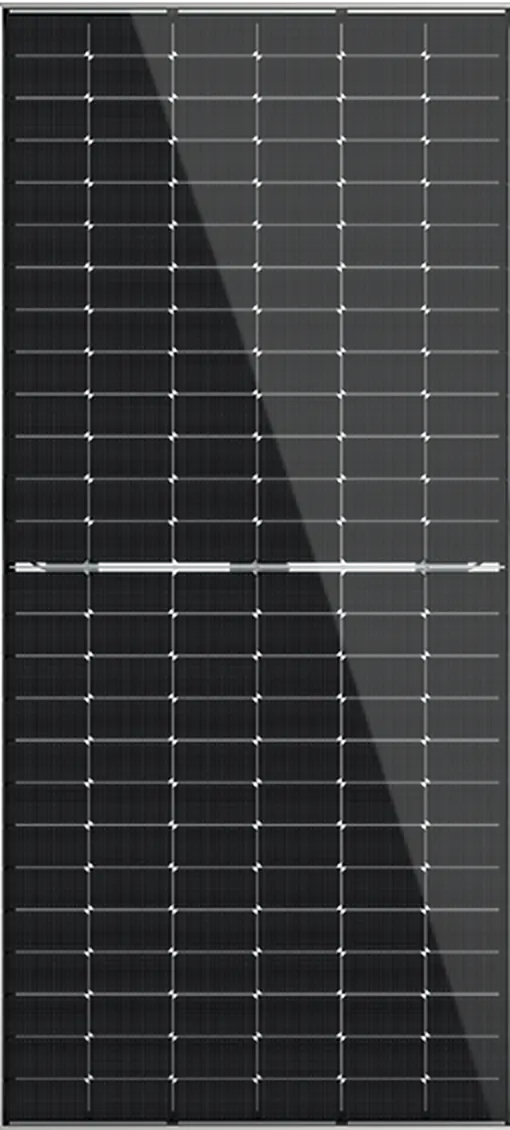
If the goal is keeping the essentials alive when the grid drops — lights, wifi, the fridge, a few plugs, the gate motor — you do not need a large array. A compact inverter with a small battery and a handful of panels covers it, and it is the cheapest way to stop load-shedding disrupting your household.
If your bill is the problem rather than the outages, the maths changes. Larger Joburg homes with electric geysers, a pool pump, borehole, multiple aircons and a home office can run substantial monthly bills, and a bigger array with more battery capacity is what actually moves that number. The bigger the bill, the more a right-sized system saves — which is why the same package rarely suits a Midrand townhouse and a Northcliff family home.
Rather than guessing from a suburb average, start from your own consumption. The calculator below takes your monthly bill and backup priorities and returns a starting system size and package, which is a far better basis for a quote conversation than a salesperson's assumption.
Free tool
Estimate your system & savings
Move the slider to your monthly bill for an instant, indicative suggestion.
This is an indicative starting point. The site assessment and signed quote confirm the system, current price, equipment, savings and backup time. Rent-to-own payments increase by 6.5% each year.
Practical Joburg considerations
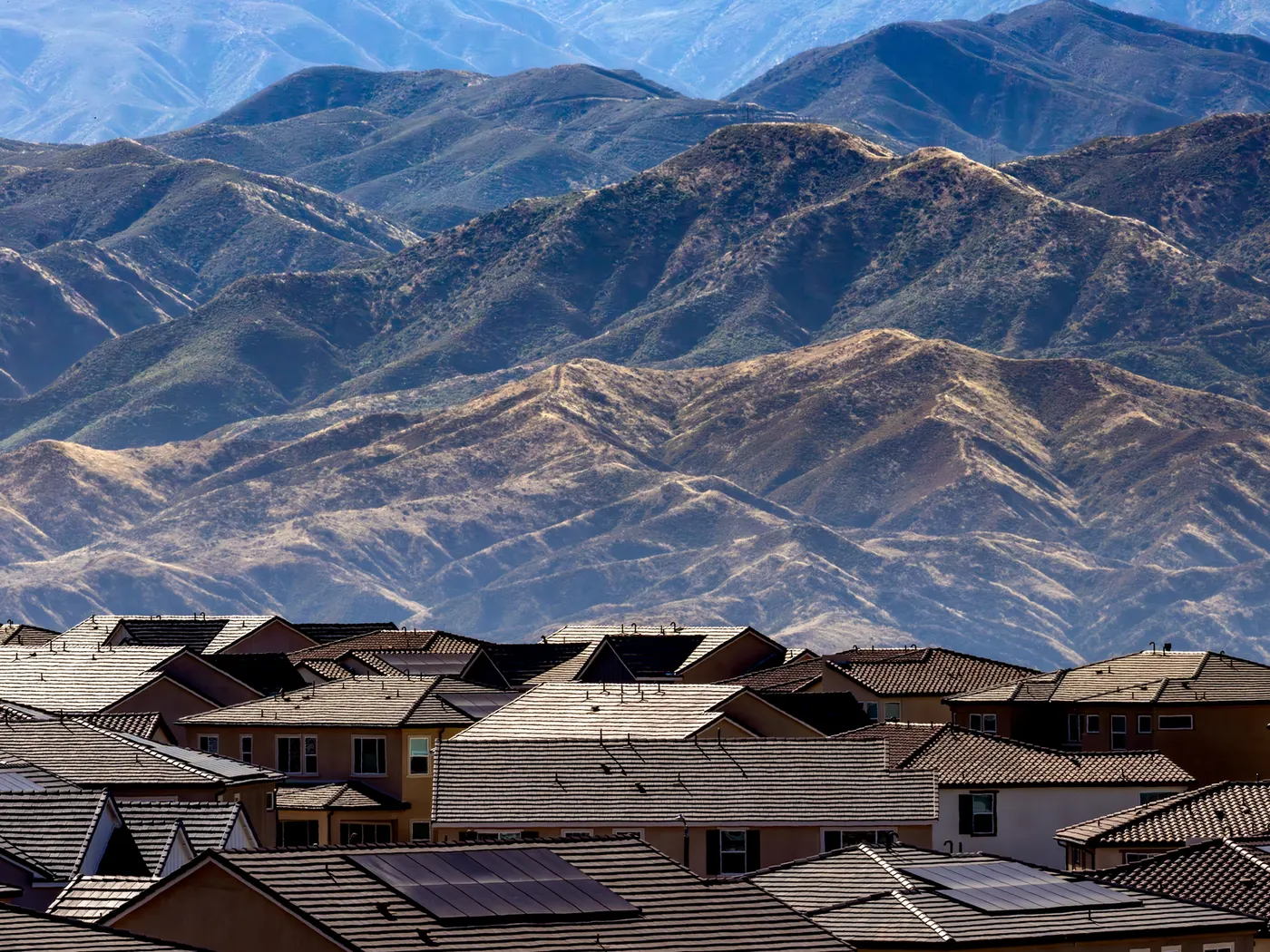
Roof orientation matters more than roof size. North-facing is ideal in the southern hemisphere. East-west splits still work and can suit households that use power in the morning and evening rather than midday. Many Joburg homes have complex, multi-pitched tile roofs, which affects both panel layout and installation labour.
Watch the trees. The northern suburbs are famously green — Joburg is often described as one of the world's largest man-made urban forests — and mature trees are the most common cause of disappointing output in these suburbs. Shade on even part of an array can drag down a whole string. A proper site assessment maps this before you buy, not after.
Sectional title needs permission. If you are in a complex or an estate, the body corporate or HOA controls the roof and the building's exterior appearance. That approval process runs in parallel with the SSEG registration, and it is usually the slower of the two. Start it early.
Storms and hail. Highveld summer storms are severe, and hail is a real risk. Reputable panels are tested against hail impact, but check what your installer warrants and confirm your household insurer knows about the installation — an undeclared roof-mounted asset is an easy claim to dispute.
Getting a quote you can actually compare
The most useful thing you can do before speaking to installers is to know your own numbers: your average monthly bill, your supplier, your municipality, and whether you want backup, savings or both. With those four things, quotes become comparable instead of confusing.
Ask any Joburg installer three questions: who they register the system with and how long it takes, whether the quoted price includes the SSEG application and the CoC, and what happens if the body corporate or the municipality rejects the application. The answers separate the professionals from the rest quickly.
SolarGuide is an independent referral partner. We help you compare options and arrange a free quote — Alumo supplies, installs, finances and warrants the systems. Pricing is indicative, sourced from Alumo’s published catalogue, and subject to a site assessment and credit approval.