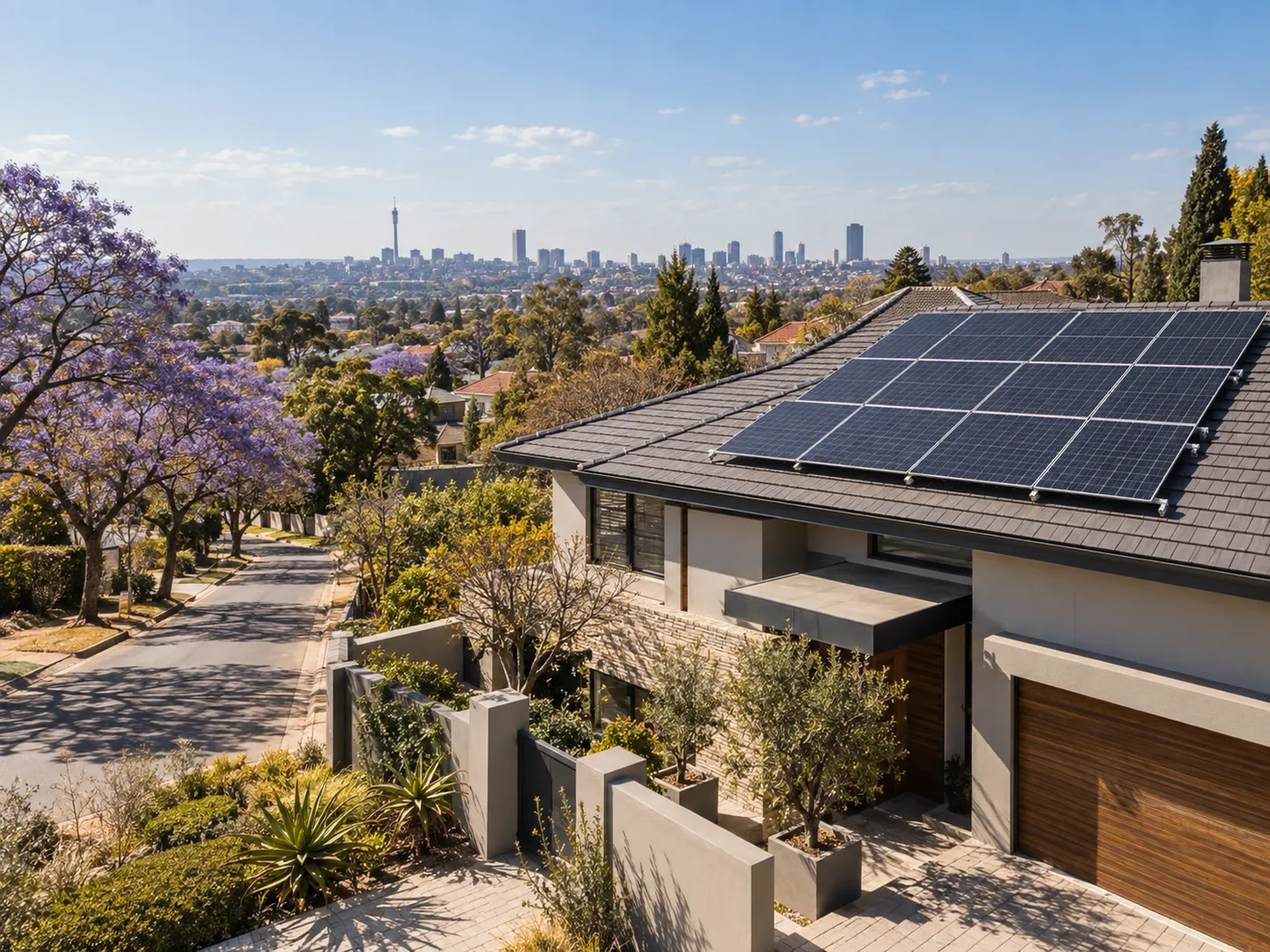
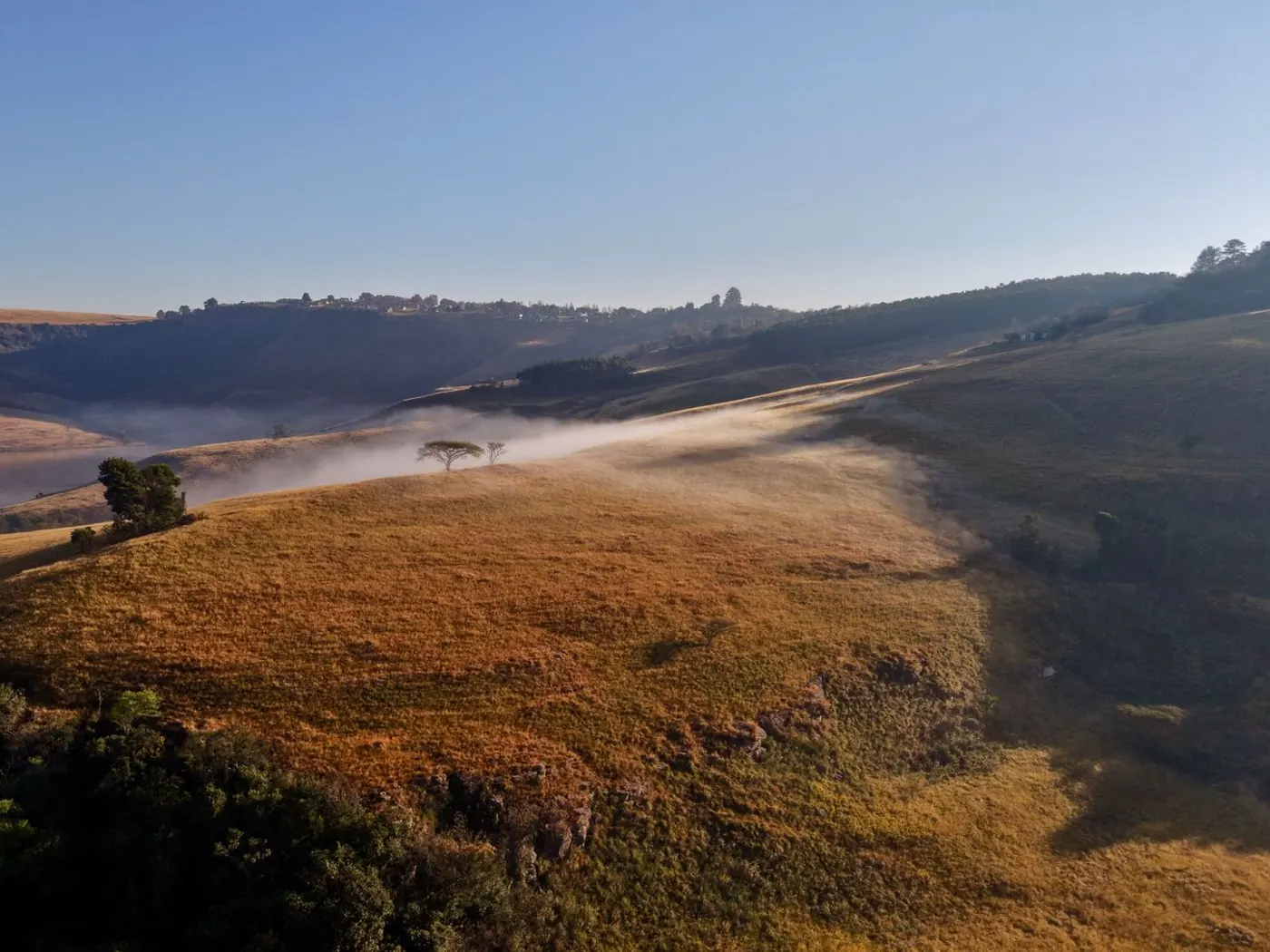
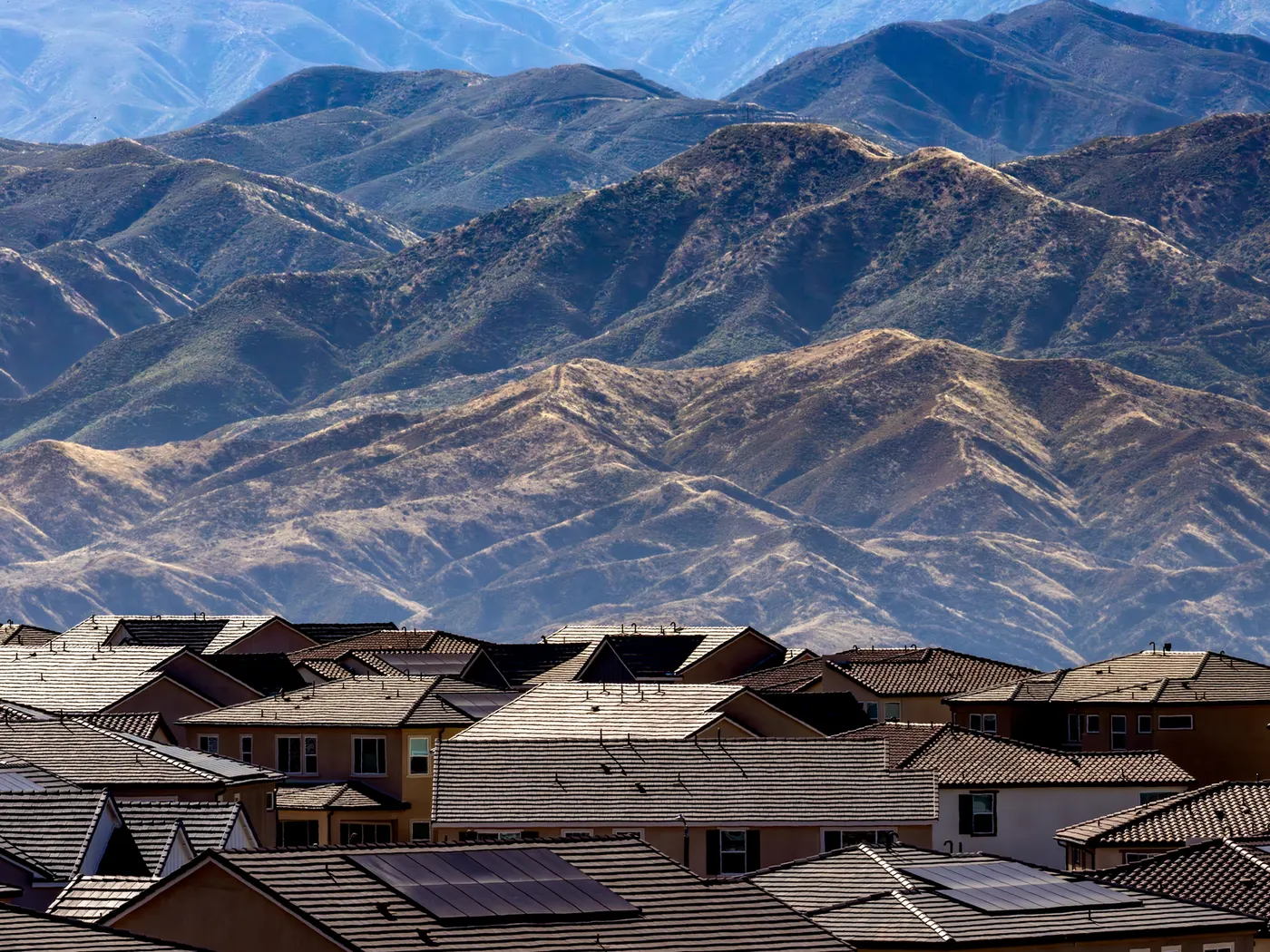
Stellenbosch and the Cape Winelands make a strong case for solar. The valleys around Stellenbosch, Paarl and Franschhoek get long, bright summers, the region's homeowners face the same relentless tariff increases as everyone else, and there's a growing appetite among wine estates and residents alike to run on clean, self-generated power. The catch is the same Mediterranean climate that makes the wine so good: the winters are wet, so a Winelands system has to be designed for the whole year, not just a golden February afternoon.
This guide covers what going solar actually looks like around Stellenbosch and the Winelands: how much sun you can count on, what Stellenbosch Municipality requires before you switch on, roughly what it costs, and how to think about your own home — from a student-town flat in Die Boord to a family house in Welgevonden or a smallholding in the Jonkershoek Valley. The aim is to arm you for a confident quote conversation.
Key takeaways
The Winelands enjoy long, bright summers but genuinely wet winters, so size for the year rather than for summer alone.
Grid-tied systems must be registered with Stellenbosch Municipality as a Small-Scale Embedded Generator (SSEG).
Historic-core homes may sit in heritage areas, which can affect panel placement and approvals.
Wine estates and agri businesses can often claim the Section 12B allowance on a solar investment.
Pricing is indicative until a site assessment accounts for your roof, shading and usage.
Get a free solar quote
Share your average electricity bill and we will arrange a free, no-obligation quote sized to your home and budget. Compare rent-to-own, subscription and outright options.
Mon–Fri 8am–5pm · Sat 8am–1pm · Free quote across South Africa
Winelands sun: generous summers, wet winters
Stellenbosch shares the Cape's Mediterranean climate — hot, dry summers and cool, wet winters — and that seasonality matters more here than in most of the country. Through the summer you'll see long, cloudless days and excellent generation; in the depths of a Cape winter, a run of cold, rainy weather off the mountains can dampen output for a week at a time. The valleys and their surrounding peaks also create local microclimates, so two homes a few kilometres apart can see meaningfully different sun.
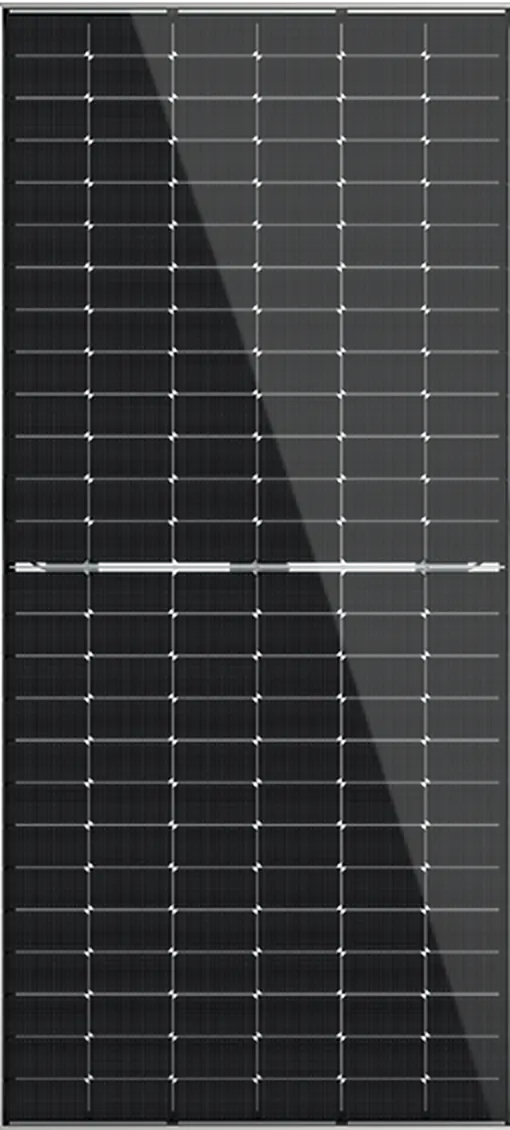
The practical rule is to size for the year, not for January. A modern panel from a brand like Trina or Jinko produces strongly through the Winelands summer, but you want enough panels and battery headroom that a wet July still keeps your essentials covered. A good installer plans for this deliberately rather than quoting you an optimistic summer figure.
Mountains and microclimate
Homes tucked under the Stellenbosch, Simonsberg or Drakenstein slopes can lose the last hour or two of afternoon sun to terrain shadow, and the surrounding ridges shape both wind and shading. It rarely kills a project, but it does influence where the panels go and how the battery is sized. A seasonal daytime shading survey is the only way to get this right — exactly what a proper site assessment covers.
The rules: SSEG registration with Stellenbosch Municipality
If you install a grid-tied solar system in Stellenbosch, you must register it with Stellenbosch Municipality as a Small-Scale Embedded Generator (SSEG). This applies to any system that can run in parallel with the municipal grid, whether or not you ever intend to export power to it. Neighbouring Winelands towns under Drakenstein Municipality — Paarl and Wellington — run their own equivalent SSEG processes, as does Franschhoek within Stellenbosch's jurisdiction.
Registration involves using approved inverter equipment, obtaining a Certificate of Compliance from a registered professional, and — in most cases — a change to a compliant bi-directional meter. A reputable installer handles this paperwork as part of the job rather than leaving you to navigate the municipal requirements yourself.
Heritage homes need extra care
Stellenbosch's historic core and Dorp Street are rich in Cape Dutch and Victorian architecture, and some properties sit within heritage-protected areas. That can affect where panels may be placed — often keeping them off street-facing roof planes — and occasionally adds an approval step. It's very manageable, but it's a reason to use an installer who knows the local rules rather than one applying a generic template.
Why compliance matters
An unregistered grid-tied system can back-feed the network in ways that endanger municipal workers, and it can complicate your insurance or a future sale. Registering keeps you compliant, protected and eligible for any export credit on offer. A good installer takes the admin off your hands. Get a free Alumo quote → to get started.
Not sure which system you need?
Get a free, no-obligation quote sized to your home, usage and budget. It only takes a minute.
Winelands properties run the full range: compact student flats in Die Boord and Dalsig, family homes in Welgevonden, Paradyskloof and Mostertsdrift, and smallholdings and wine estates out in the valleys. The right system depends on which goal you're after.
If you mainly want load-shedding cover
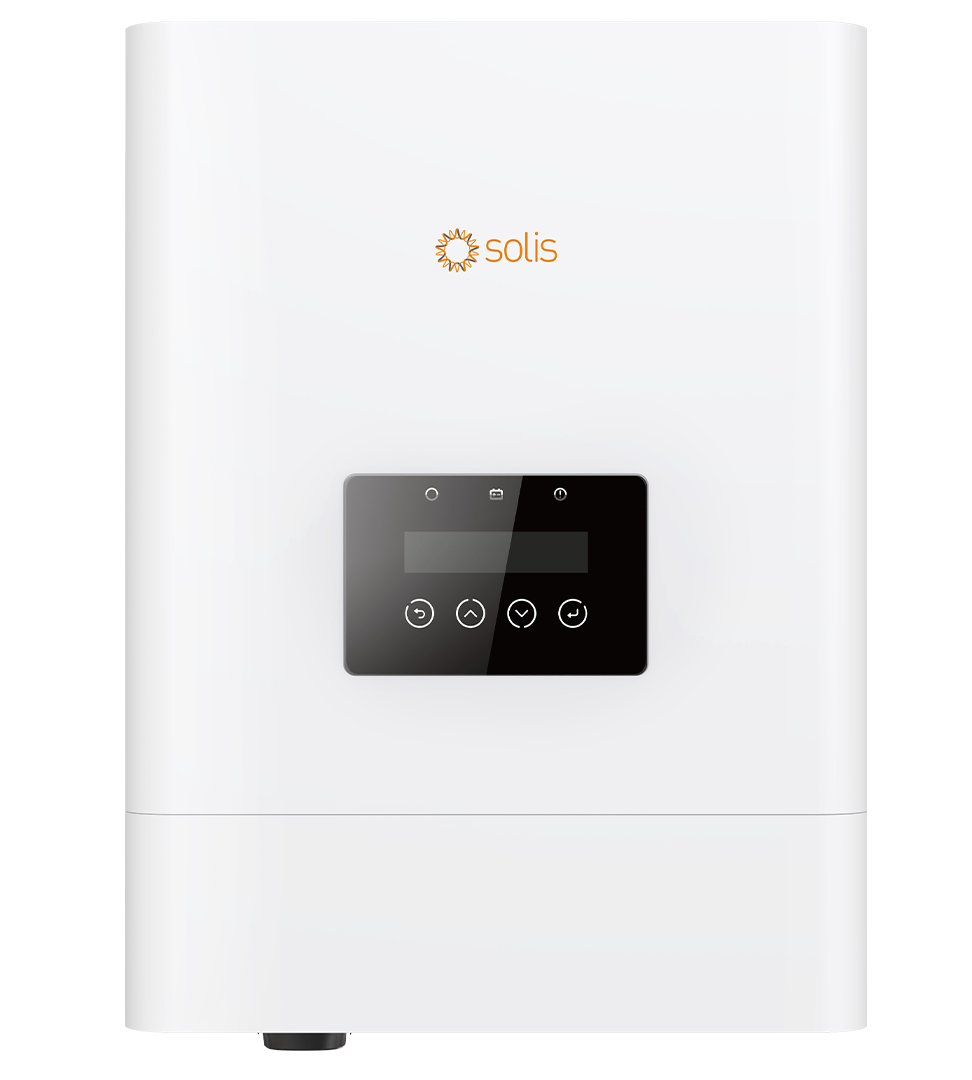
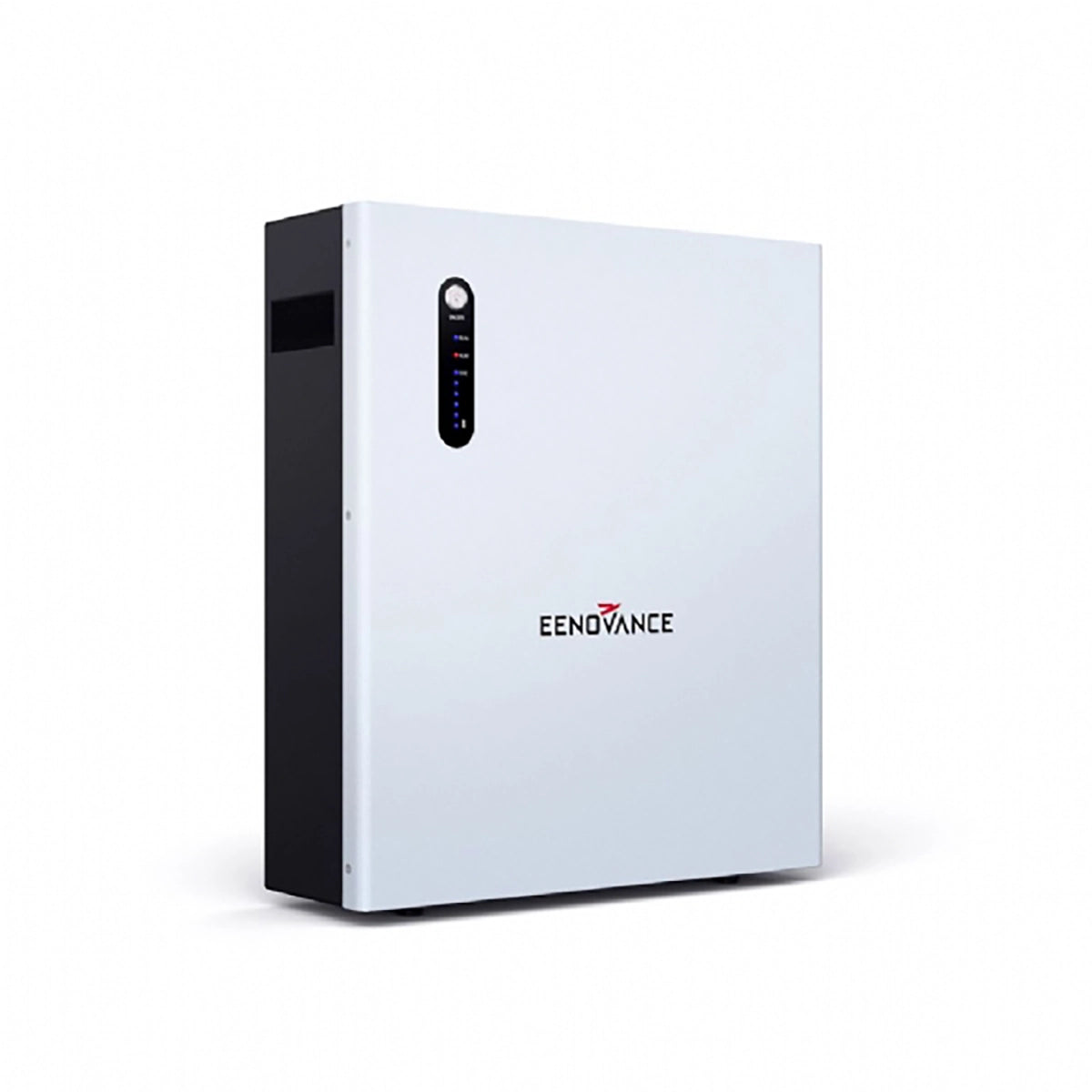
Alumo's current solar-plus-battery rent-to-own range uses a Solis 5kW inverter and Eenovance 5.32kWh battery: Watt-a-Deal has three 615W panels from R1,418/month, The Big Watt has four from R1,487/month, and The Power Bae has six from R1,626/month on a seven-year term. Three- and five-year prices, solar-only configurations and battery-only pricing are available on our current package comparison.
Most Winelands families who commit to solar want genuine bill relief. That means enough panels to cover a good chunk of daytime load, a battery for the evening peak, and headroom to keep producing through the wet season. A 5kW inverter with six panels and a battery is the common sweet spot, and Alumo's The Power Bae is built around that specification.
On a three-year rent-to-own term, Alumo's solar-plus-battery packages currently run from R2,021 to R2,327 a month. Outright systems are quoted after a site assessment. Get a free Alumo quote → and a technician will size it against your actual bill and roof.
If you run a wine farm, guesthouse or other business in the Winelands, solar isn't just a bill saver — it can be a tax-efficient capital investment. The Section 12B allowance lets qualifying businesses deduct the cost of a renewable-energy installation, improving the economics considerably. It's worth raising with your accountant and factoring into how you finance a larger commercial system.
Roofs, orientation and Winelands suburbs
North-facing roof sections capture the most sun in the southern hemisphere, with east and west close behind. Newer estates like Welgevonden and De Zalze often have simple, well-oriented roofs that make for tidy installs. Older Stellenbosch homes in Mostertsdrift and the town centre bring pitched roofs, mature oaks and — sometimes — heritage constraints, so shading and placement both need a careful daytime look before the layout is finalised.
A realistic Winelands timeline
The physical installation of a residential system typically takes a day or two on site. The Stellenbosch Municipality SSEG registration and meter change run partly on the municipality's timeline, and heritage approvals (where they apply) can add a little more, so treat the paperwork as a parallel process a good installer starts early. Your system can back you up immediately; registration ensures it's fully compliant.
Free tool
Estimate your system & savings
Move the slider to your monthly bill for an instant, indicative suggestion.
This is an indicative starting point. The site assessment and signed quote confirm the system, current price, equipment, savings and backup time. Rent-to-own payments increase by 6.5% each year.
Frequently asked questions
Is Stellenbosch's wet winter too cloudy for solar?
No — but you should size for it. The Winelands' Mediterranean climate brings wet winters that reduce output on grey days, so a well-designed system includes enough panels and battery capacity to keep you covered year-round rather than only in summer.
Do I need to register my solar system in Stellenbosch?
Yes. Any grid-tied system must be registered with Stellenbosch Municipality as a Small-Scale Embedded Generator, using approved equipment and a Certificate of Compliance, usually with a compliant meter. Paarl and Wellington fall under Drakenstein's own process. A reputable installer manages this for you.
Can I put solar on a heritage home in Stellenbosch?
Usually yes, but with care. Properties in heritage-protected areas may face restrictions on where panels can be placed, often keeping them off street-facing roofs, and may need an extra approval. An installer familiar with the local rules handles this smoothly.
Can my wine estate or business claim tax back on solar?
Qualifying businesses can use the Section 12B allowance to deduct the cost of a renewable-energy installation, improving the economics of a larger commercial system. Speak to your accountant about your specific situation, and factor it into how you finance the project.
Who installs and warrants the system?
Alumo supplies, installs, finances and warrants the systems. SolarGuide is an independent referral partner that helps you compare options and get a free, no-obligation quote. Pricing is indicative and subject to a site assessment and credit approval.
SolarGuide is an independent referral partner. We help you compare options and arrange a free quote — Alumo supplies, installs, finances and warrants the systems. Pricing is indicative, sourced from Alumo’s published catalogue, and subject to a site assessment and credit approval.