If you were designing a city for solar power, it would look a lot like Polokwane. Sitting on Limpopo's high plateau, the provincial capital gets plenty of reliable sunshine, dry clear skies for most of the year, and the kind of consistent light that lets a well-sized system earn its keep. Add Eskom's ongoing supply problems and a hot climate that keeps aircons and pool pumps running, and going solar here makes as much sense as it does anywhere in the country.
This guide walks through what going solar actually looks like in Polokwane: how much sun you can count on, how the heat and dust affect a system, what Polokwane Municipality requires before you switch on, roughly what it costs, and how to think about your own home across suburbs from Bendor to Fauna Park. The aim is to get you to a confident conversation with an installer rather than a leap of faith.
Key takeaways
Polokwane's high-plateau climate delivers some of the best, most consistent solar conditions in the country.
High summer heat slightly reduces panel efficiency, so airflow and quality components matter.
Dry, dusty conditions mean panels benefit from the occasional clean to keep output at its best.
Any grid-tied system must be registered with Polokwane Municipality as a Small-Scale Embedded Generator (SSEG).
Pricing is indicative until a site assessment accounts for your roof, shading and usage.
Get a free solar quote
Share your average electricity bill and we will arrange a free, no-obligation quote sized to your home and budget. Compare rent-to-own, subscription and outright options.
Mon–Fri 8am–5pm · Sat 8am–1pm · Free quote across South Africa
Polokwane's sun: about as good as it gets
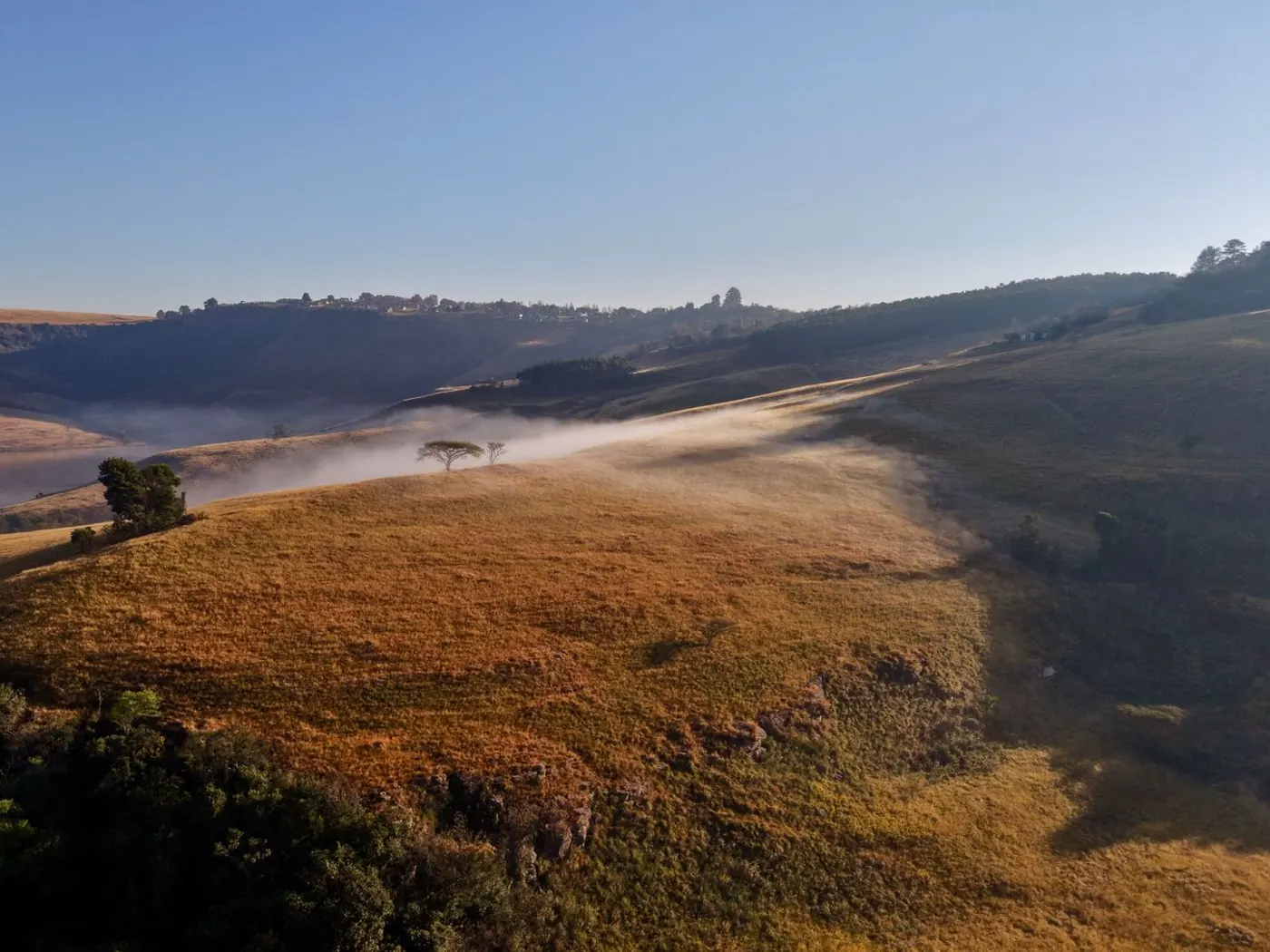
Polokwane is close to ideal solar country. The city sits at altitude on the Highveld's northern edge, the air is dry, and clear-sky days are the norm rather than the exception. You won't fight the wet, grey winters that dent output in the Cape, and there's no coastal haze rolling in to soften the afternoons. For most of the year generation is strong and predictable.
Winter is a particular strength. Polokwane winters are dry and sunny, with crisp, clear days that keep an array producing well when other regions dip. That makes sizing simpler: you can build a system that covers you all year without over-engineering for a gloomy season that barely exists here. It's one reason the economics of solar stack up so well in Limpopo.
Heat is the one real trade-off
The catch with all that sun is temperature. Panels lose a little efficiency as they get very hot, and Polokwane summers are hot. Quality panels from brands like Trina or Jinko are built to cope, and the loss is modest, but it's real, which is why proper roof mounting that lets air move behind the panels matters here. A good installer designs with the heat in mind rather than quoting an optimistic cool-weather figure.
Dust and the value of a clean panel
Polokwane's dry climate has one more quirk worth knowing: dust. Long dry spells and the surrounding bushveld mean panels pick up a film of dust that trims output. It's rarely dramatic, and the occasional rain shower helps, but in a dry city like this a periodic clean keeps a system at its best. It's cheap maintenance that pays for itself in recovered generation.
This is the sort of practical, local detail a physical site assessment surfaces: how exposed your roof is, how often panels are likely to need attention, and how to make access easy. Get a free Alumo quote → and a technician will assess your home first-hand.
Not sure which system you need?
Get a free, no-obligation quote sized to your home, usage and budget. It only takes a minute.
The rules: registering with Polokwane Municipality
If you install a grid-tied solar system in Polokwane, you are required to register it with Polokwane Municipality as a Small-Scale Embedded Generator (SSEG). This applies to any system capable of running in parallel with the municipal grid, whether or not you ever intend to export power.
Registration means using approved inverter equipment, obtaining a Certificate of Compliance from a registered professional, and typically fitting a compliant meter. The municipality has its own application process, and a reputable installer handles this on your behalf rather than leaving you to work through the paperwork alone.
Why you shouldn't skip it
An unregistered grid-tied system can back-feed the network and endanger municipal workers during maintenance, and it can complicate your insurance or the future sale of your home. Given how much a solar system costs, it makes no sense to undermine it with an off-the-books install. Registering keeps you compliant and protected.
What it costs and what a Polokwane home needs
Polokwane homes range from compact townhouses near the CBD to large family properties in Bendor, Ster Park, Flora Park and Fauna Park, many with pools and aircons running hard through the hot months. The decision usually comes down to which goal you're chasing.
If you mainly want load-shedding cover
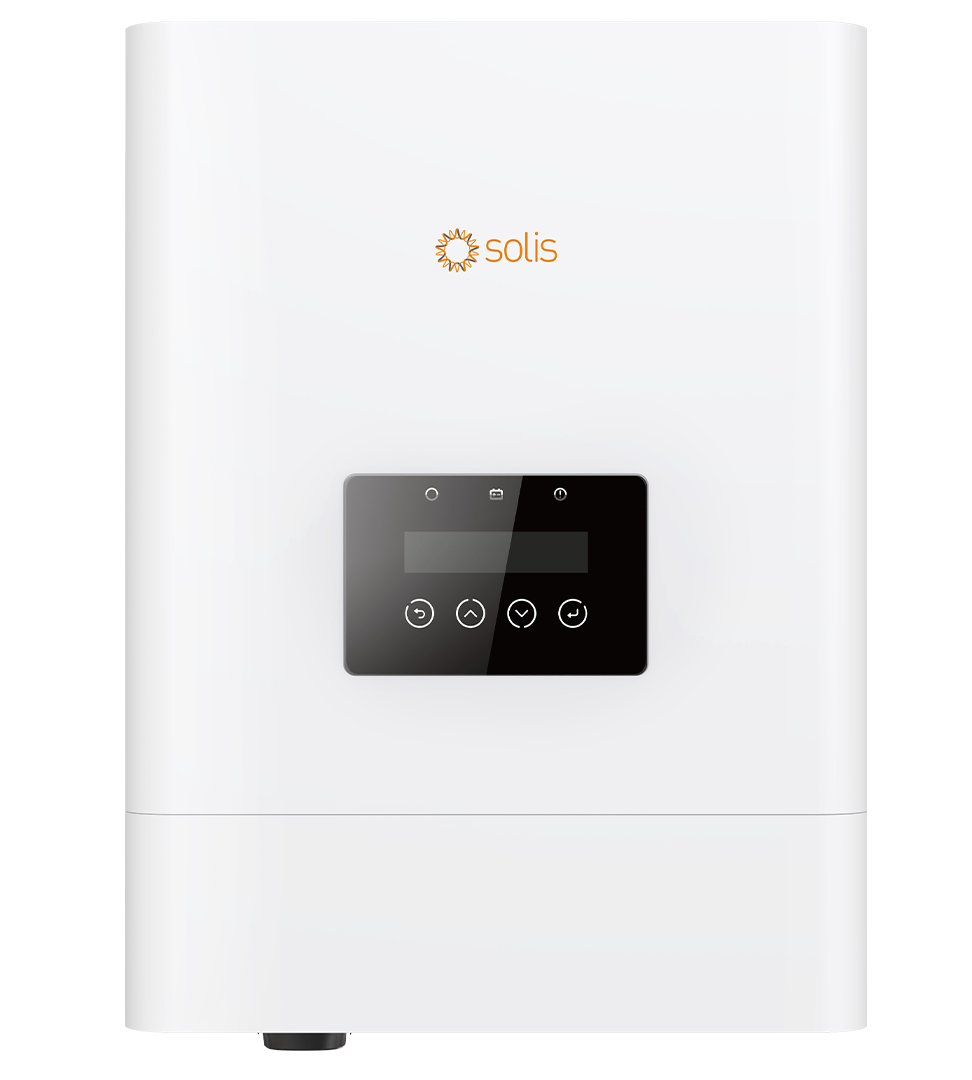
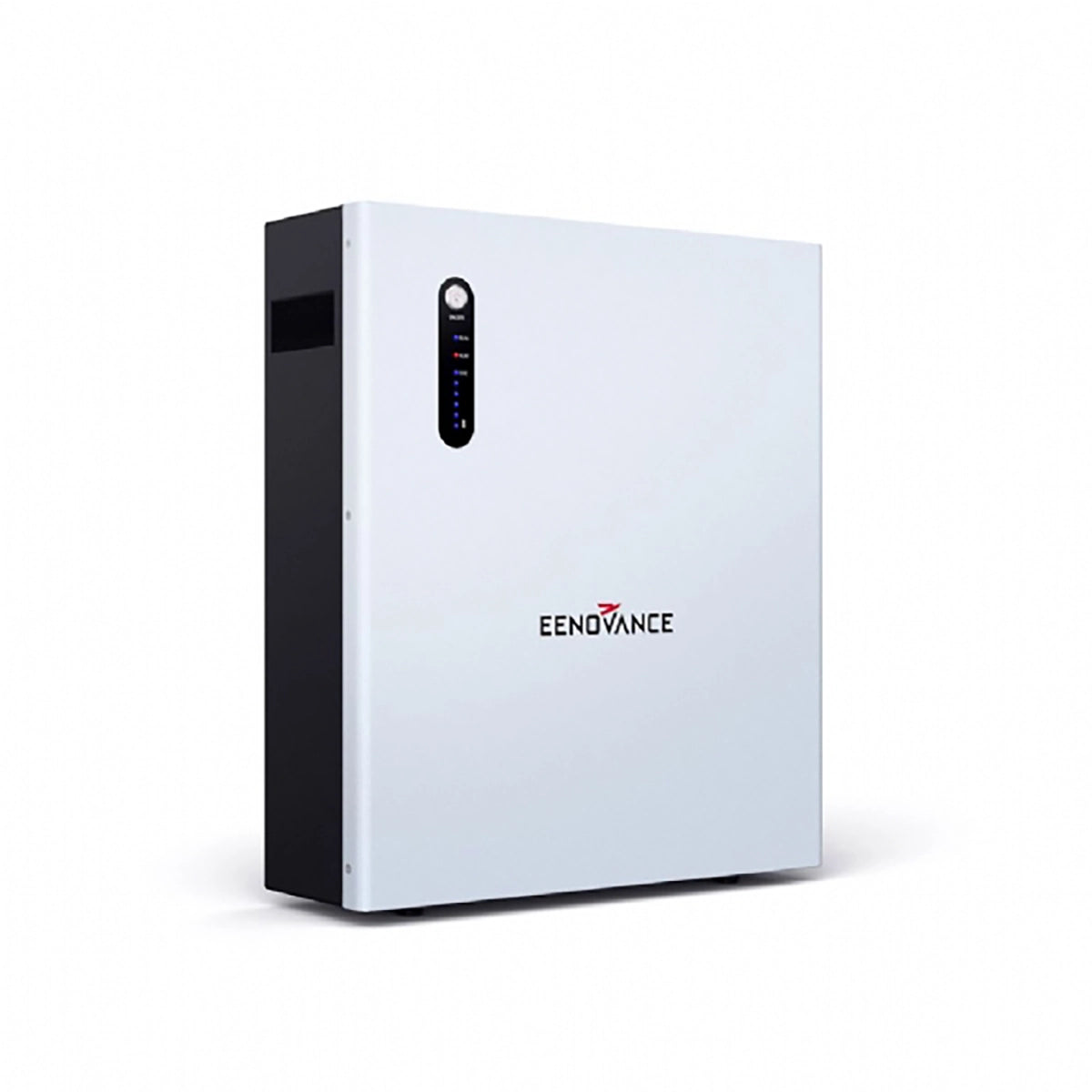
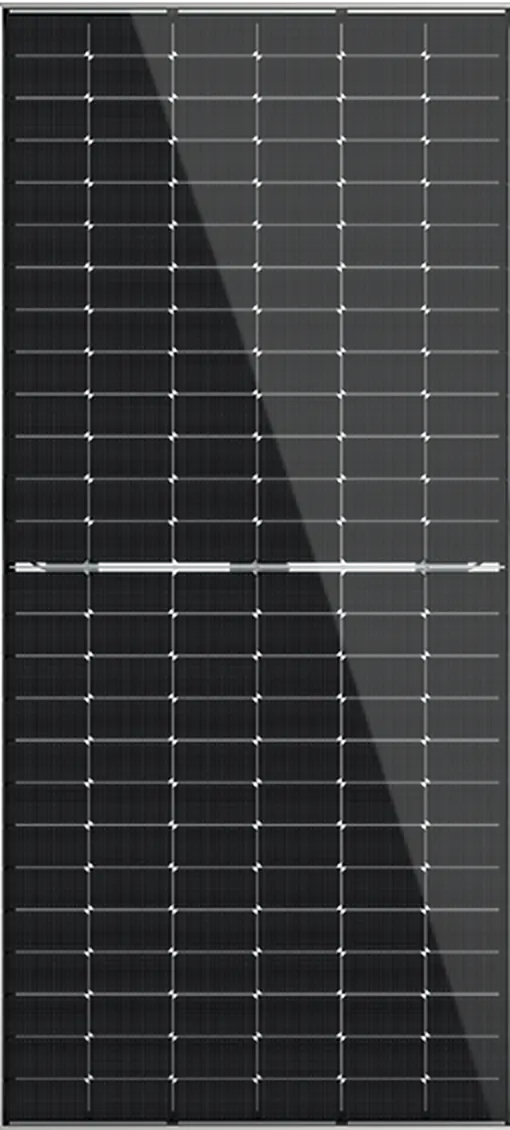
Alumo's current solar-plus-battery rent-to-own range uses a Solis 5kW inverter and Eenovance 5.32kWh battery: Watt-a-Deal has three 615W panels from R1,418/month, The Big Watt has four from R1,487/month, and The Power Bae has six from R1,626/month on a seven-year term. Three- and five-year prices, solar-only configurations and battery-only pricing are available on our current package comparison.
Polokwane's heat means aircons and pool pumps run hard, and bills climb with them. The upside is that the city's strong sun makes bill-cutting solar especially effective here. That means enough panels to cover a solid chunk of daytime load, plus a battery to carry the evening. A 5kW inverter with six panels and a battery is the common sweet spot, and Alumo's The Power Bae is built around that specification.
On a three-year rent-to-own term, Alumo's solar-plus-battery packages currently run from R2,021 to R2,327 a month. Outright systems are quoted after a site assessment. Because cooling load and storage both shape the design, your real number is best confirmed on site. Get a free Alumo quote → and a technician will size it against your actual usage.
Roofs, orientation and Polokwane suburbs
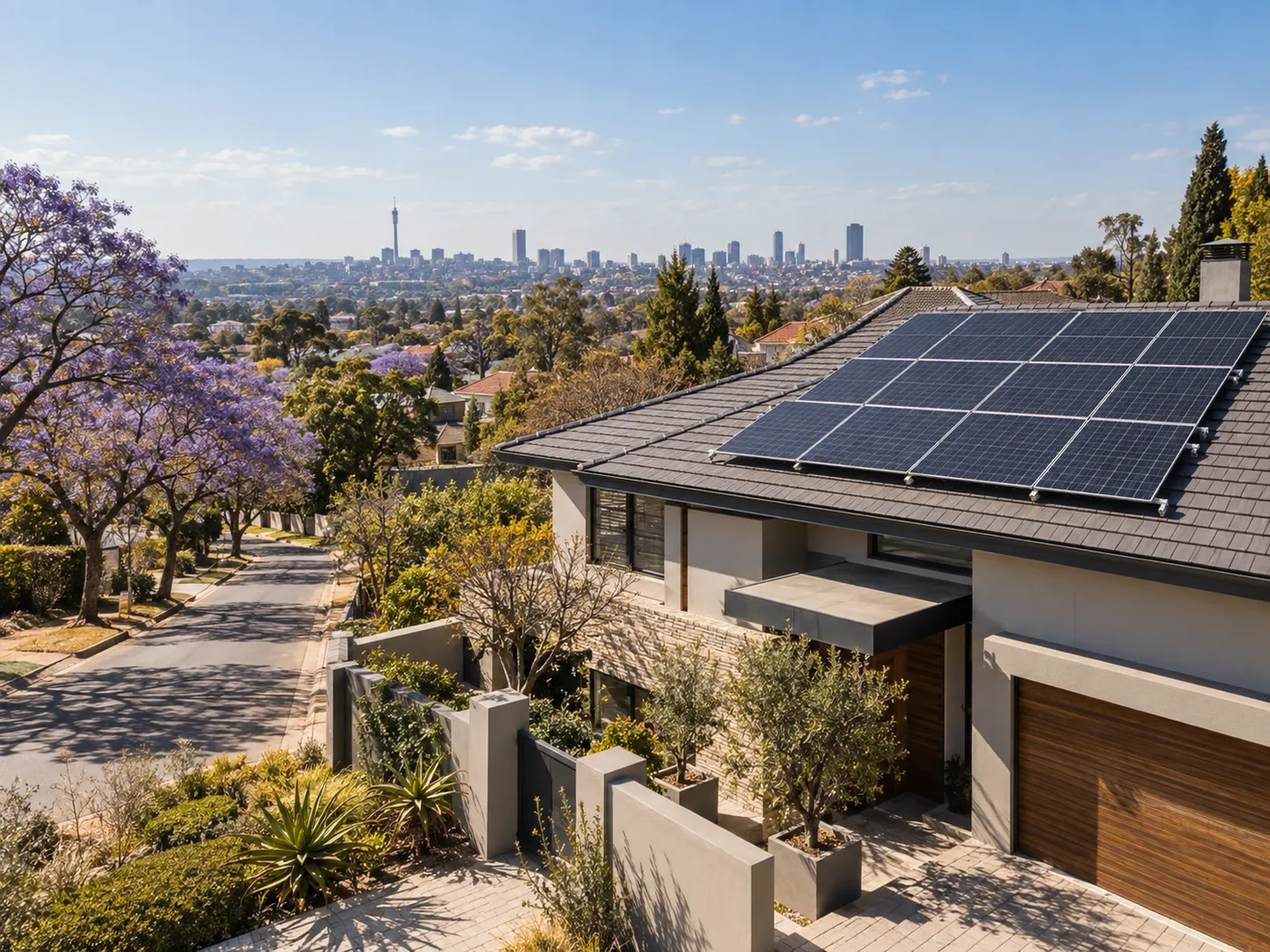
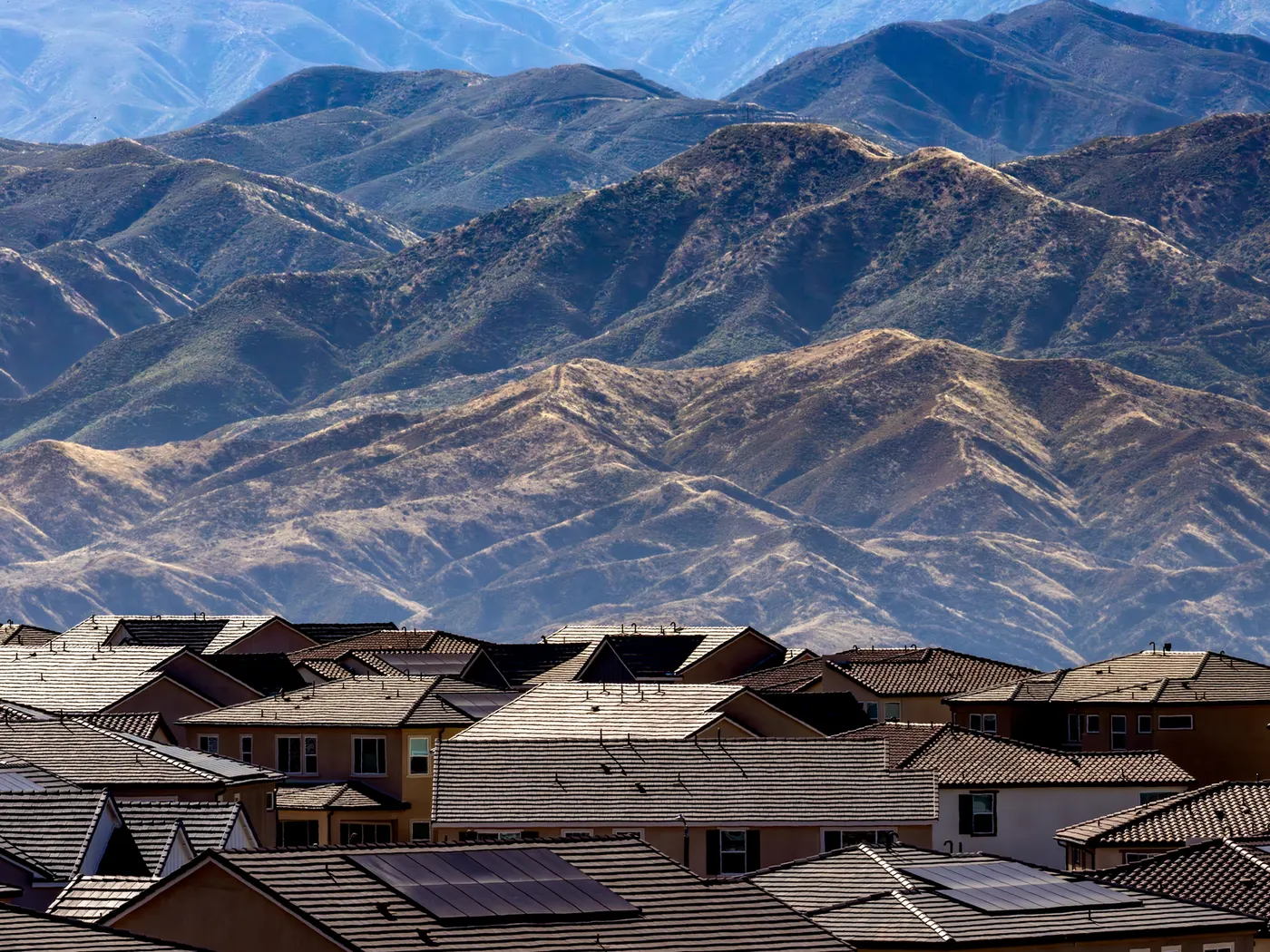
North-facing roof sections capture the most sun across the day, with east and west faces close behind. Many Polokwane homes have simple, well-oriented roofs with plenty of open sky and few tall neighbours, which makes for tidy, efficient installs and lets the city's strong sun translate straight into generation. Newer estate developments in particular tend to be straightforward.
Older properties with big gardens and mature trees need a closer look, since shading is one of the biggest silent killers of solar output anywhere. A daytime shading survey across the seasons is the only reliable way to plan the layout, which a site assessment covers. Given how much sun Polokwane gets, getting the panels into clear light makes a real difference to the return.
Free tool
Estimate your system & savings
Move the slider to your monthly bill for an instant, indicative suggestion.
This is an indicative starting point. The site assessment and signed quote confirm the system, current price, equipment, savings and backup time. Rent-to-own payments increase by 6.5% each year.
Frequently asked questions
Is Polokwane a good place for solar?
Yes, among the best in the country. Polokwane's dry, high-plateau climate delivers abundant, consistent sunshine, and clear winters keep output strong when other regions dip. High summer heat trims panel efficiency slightly, but quality components and good mounting handle it, making the economics of solar particularly favourable here.
Does dust affect solar panels in Polokwane?
It can. Polokwane's dry climate and long rain-free spells mean panels accumulate dust that gradually reduces output. The occasional clean restores it. It's minor, inexpensive maintenance, and an installer can set the system up so panels are easy to access and keep clear.
Do I need to register my solar system in Polokwane?
Yes. Any grid-tied system must be registered with Polokwane Municipality as a Small-Scale Embedded Generator, using approved equipment and a Certificate of Compliance, usually with a compliant meter. A reputable installer manages this process for you.
How much does home solar cost in Polokwane?
Alumo currently describes outright systems as bespoke and confirms the cash purchase price after assessing the property and energy use. Rental buyout and cash-equivalent figures should not be treated as a current outright quote.
Who installs and warrants the system?
Alumo supplies, installs, finances and warrants the systems. SolarGuide is an independent referral partner that helps you compare options and get a free, no-obligation quote. Pricing is indicative and subject to a site assessment and credit approval.
SolarGuide is an independent referral partner. We help you compare options and arrange a free quote — Alumo supplies, installs, finances and warrants the systems. Pricing is indicative, sourced from Alumo’s published catalogue, and subject to a site assessment and credit approval.