Cleaning is only one part of keeping solar productive. See what a sensible inspection covers and request service guidance when the system needs attention.
One of the quiet pleasures of solar is how little it asks of you. There's no engine, no moving parts to speak of, and no monthly service like a car. But "low maintenance" isn't "no maintenance", and the internet runs to two extremes: people who claim you never touch it again, and people who make it sound like a second job. The truth sits between them.
Over a system's 10-to-25-year life your running costs are modest, but they aren't zero, and one component (the battery) will eventually need replacing. Knowing what to expect lets you budget honestly and avoid both the nasty surprises and the myth that solar is free after installation. Here's what upkeep actually costs a South African homeowner, and where the real money hides.
Key takeaways
Routine solar maintenance is cheap: mostly occasional panel cleaning and the odd inspection, often only a few hundred to low thousands of rands a year.
The big long-term cost is the battery, which typically needs replacing well before the panels do.
Choosing quality equipment with strong warranties up front is the best maintenance decision you will ever make.
The everyday cost: keeping panels clean
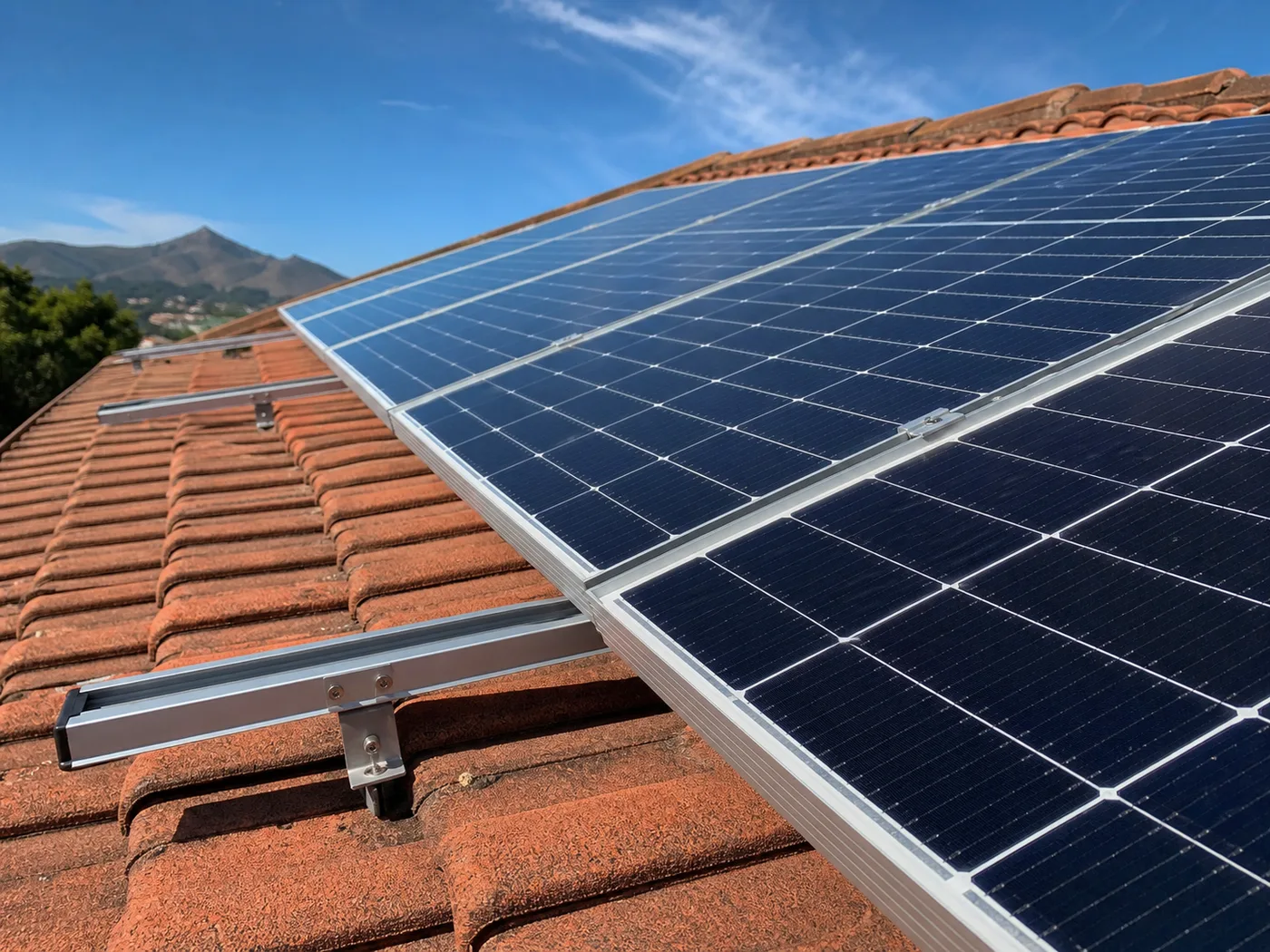
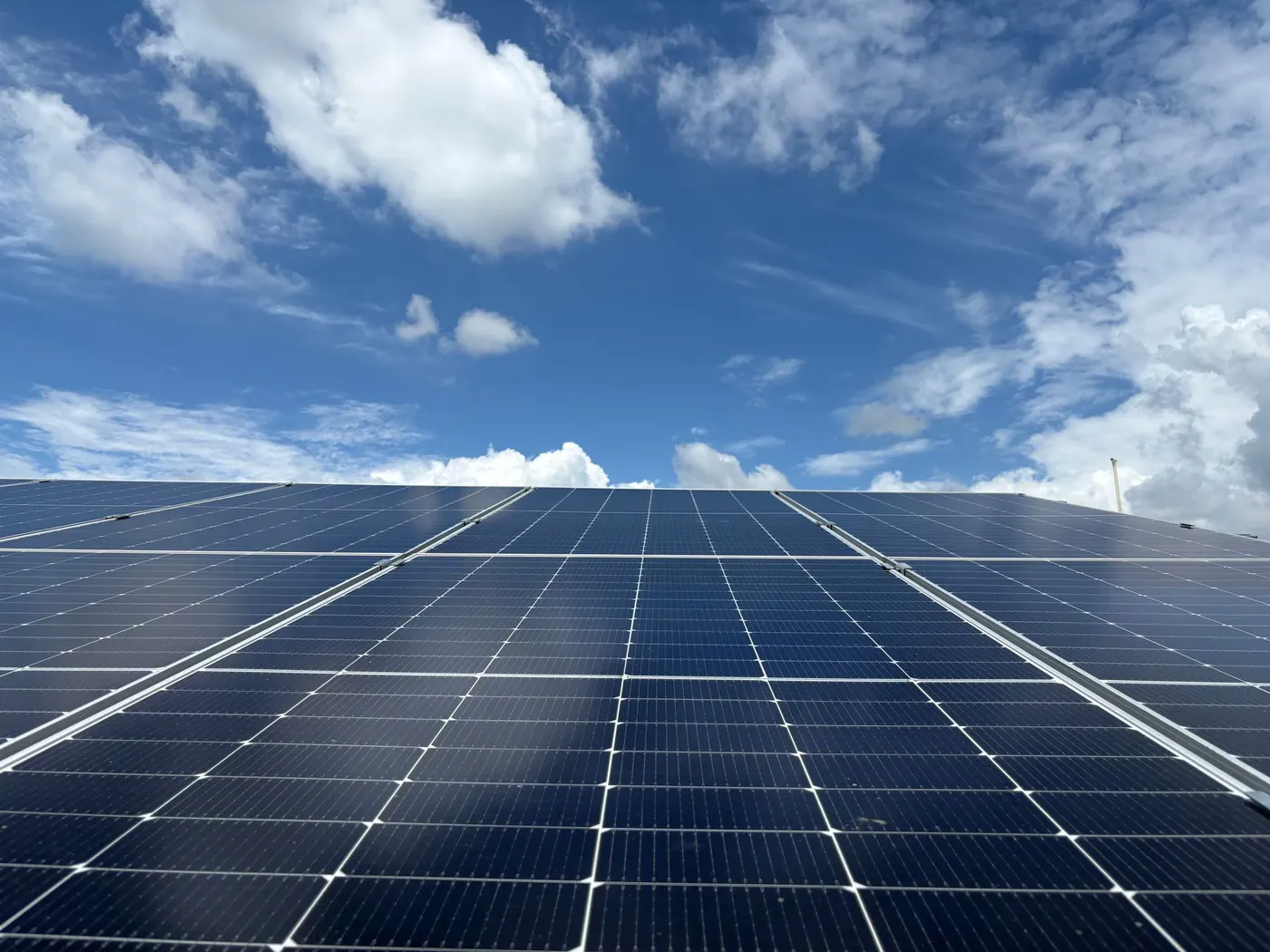
Solar panels have no moving parts, so day-to-day maintenance is mostly about keeping them clean. Dust, bird droppings, pollen and Highveld grime build a film that steals output. In much of South Africa the summer rain does a decent job of rinsing panels, but through the dry Cape winter or a dusty Karoo or Highveld season, a manual clean helps.
You have two options. A well-positioned single-storey roof is often something a careful homeowner can rinse with a soft brush and clean water, which costs nothing but a Saturday morning. For double-storey homes, steep pitches or awkward access, a professional clean is safer and usually runs from a few hundred to a couple of thousand rand depending on the roof and the number of panels. Once or twice a year is plenty for most homes.
Avoid harsh detergents, high-pressure washers and cleaning in the midday heat, all of which can damage panels or the coating. Gentle is the rule.
The occasional cost: inspections and servicing
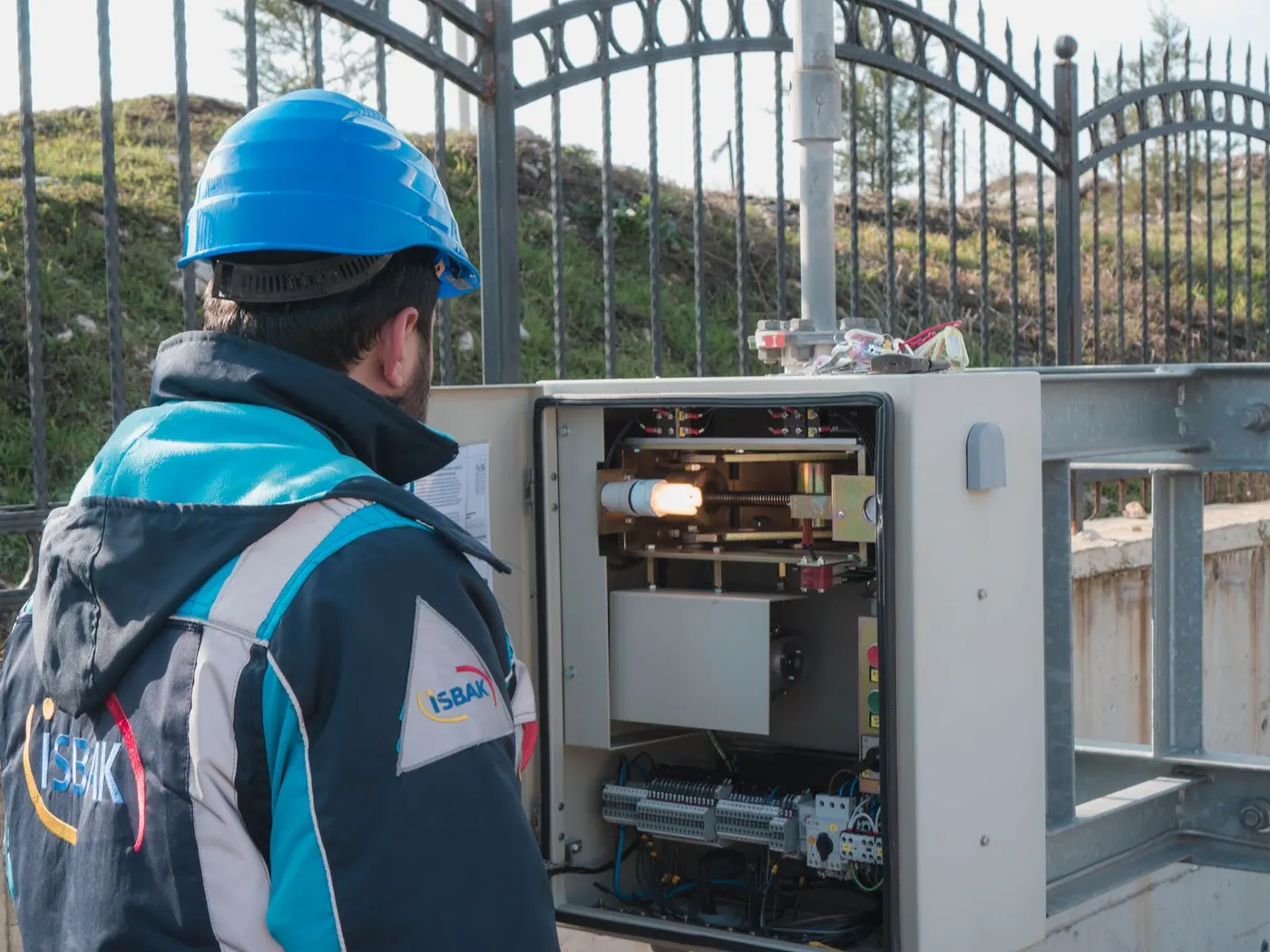
Beyond cleaning, a solar system benefits from a periodic professional check, ideally every year or two. An installer or electrician inspects the wiring, connectors, mounting, the inverter and the battery, tightens anything that has worked loose, and confirms everything is performing as it should.
This is cheap relative to the value it protects, usually a modest call-out and labour fee. The real value is early warning: a loose DC connector or a failing panel caught early is a cheap fix, whereas the same fault left alone can cascade into damage or downtime. Think of it as the solar equivalent of a car service, just far less often.
Your inverter's monitoring app is your free daily inspector. Most quality systems report generation, consumption and faults to your phone. Glancing at it now and then, and noticing if generation drops unexpectedly, catches most issues before they become expensive.
The inverter: reliable, but not immortal
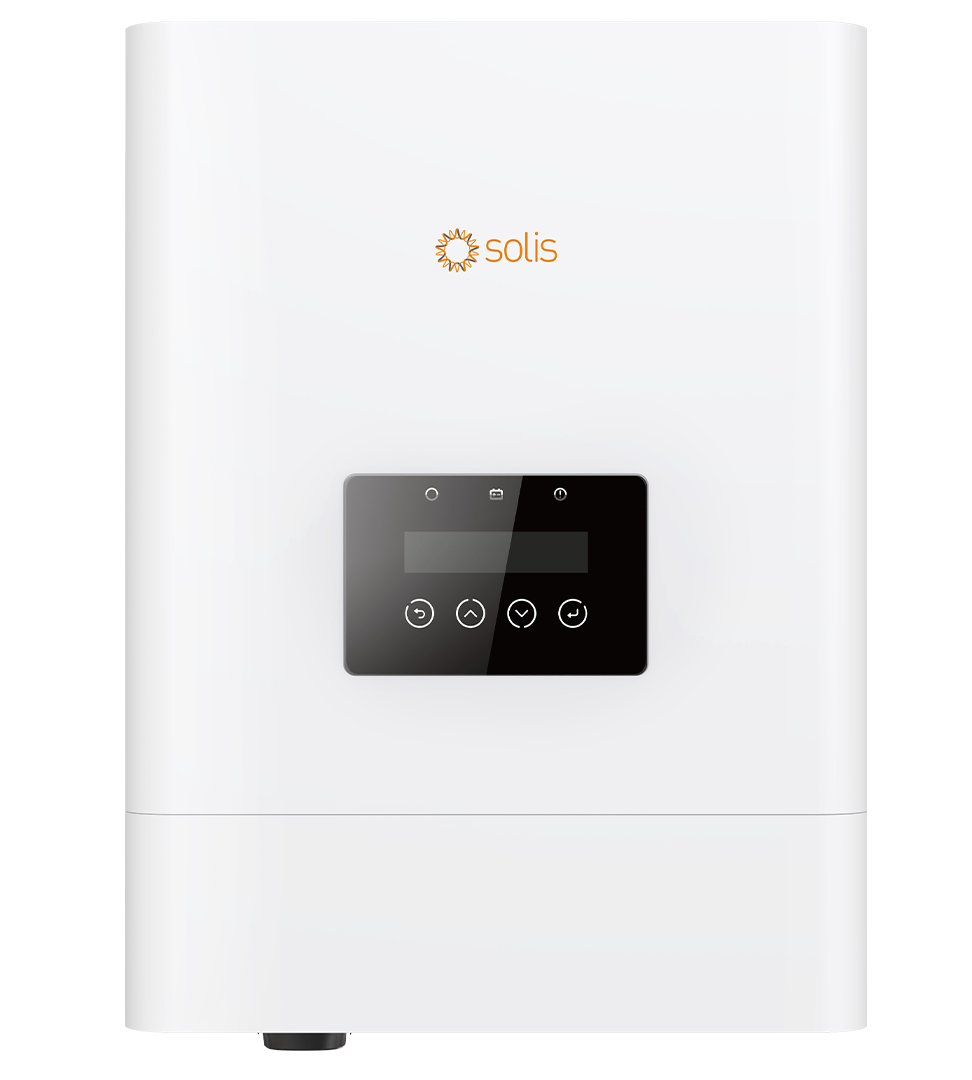
The inverter is the brain of the system, and it works hard every day. Good ones are highly reliable, and reputable brands used in SA (Sunsynk, Solis, Huawei, AlphaESS, Sigenergy) typically carry warranties in the region of 5 to 10 years, sometimes extendable.
Realistically an inverter may need replacing at some point over a 20-year-plus panel life, but within its warranty period a genuine failure should be covered. The lesson here is all about the buying decision: a cheap, off-brand inverter with a weak warranty is the component most likely to fail early and cost you out of pocket. Spending sensibly up front is cheaper than replacing junk later.
The battery: your biggest long-term cost
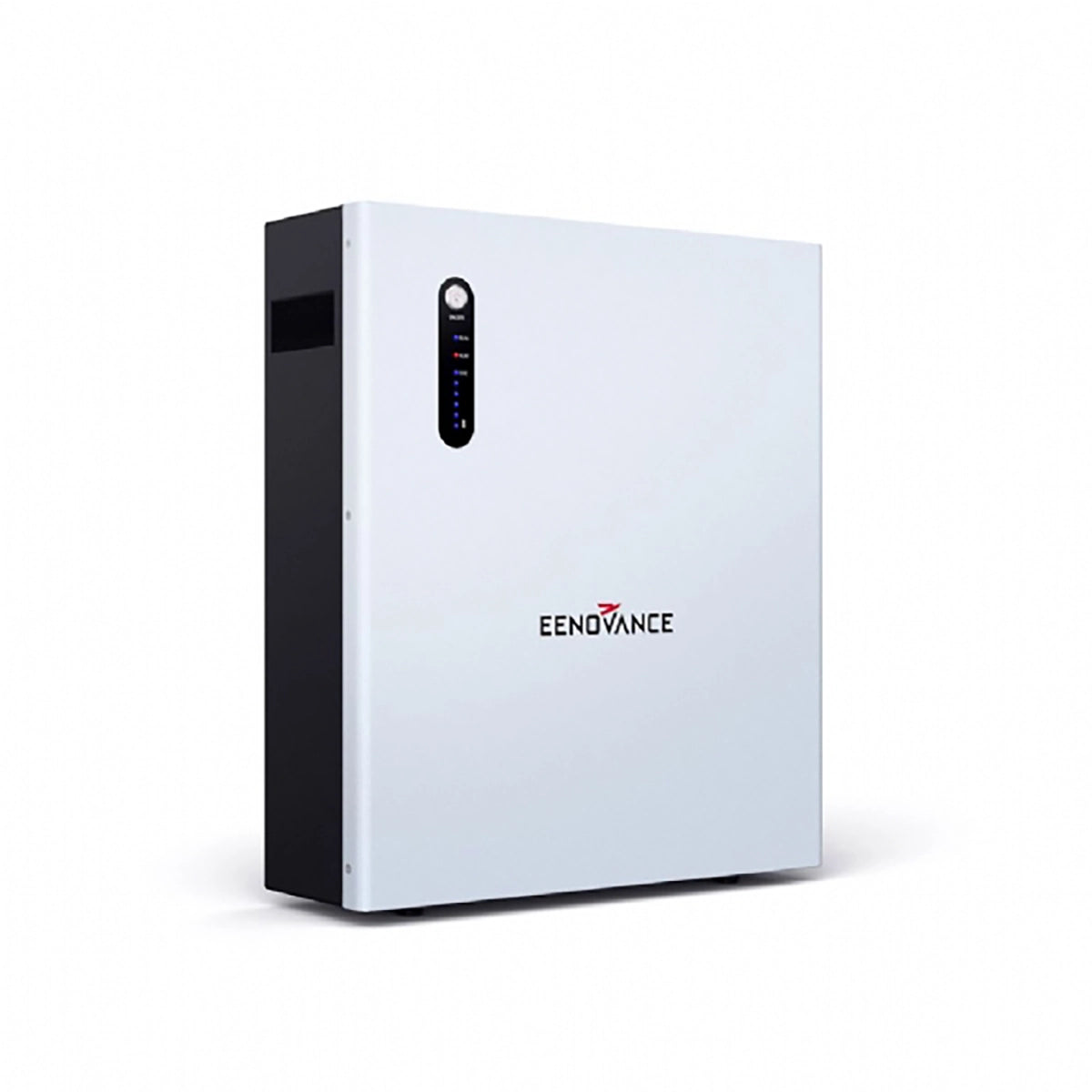
If there's one thing to remember, it's this: the battery is the component you'll most likely replace before anything else. Modern lithium (LiFePO4) batteries are rated for a large number of charge cycles and commonly carry warranties around 10 years, but they degrade with use, holding a little less charge over time.
So somewhere in your system's life, most likely after a decade or so, expect to budget for a battery replacement. It's the single largest maintenance expense you'll face, and it isn't a flaw so much as the nature of the technology. You soften it by buying a quality battery with a strong cycle rating and warranty, and by not habitually draining it to empty, which shortens its life.
Once–twice a year
panel cleaning
5–10 years
inverter warranty
~10 years
battery replacement
Warranties are your maintenance safety net
Here's the reframe that changes how you think about upkeep: your warranties are your maintenance budget. A strong warranty package means that if a major component fails through no fault of yours, the replacement cost isn't yours to carry.
That's why buying through an accountable, established installer matters. SolarGuide connects you with Alumo, which supplies, installs, finances and warrants its systems, so the equipment and the workmanship both sit behind proper cover. When the installer stands behind the whole system, an unexpected fault becomes a phone call rather than an invoice. Get a free Alumo quote → to see what a specific system covers.
Not sure which system you need?
Get a free, no-obligation quote sized to your home, usage and budget. It only takes a minute.
Pulling it together, a typical South African home solar system costs very little to run year to year, then carries one larger expense down the line:
Panel cleaning: nothing to a couple of thousand rand a year, depending on whether you DIY or hire in.
Periodic inspection: a modest call-out fee every year or two.
Inverter: generally warranty-covered for its first decade; possible replacement over a very long life.
Battery: the big one, a replacement to budget for roughly a decade in.
Spread over the life of the system, that's a small fraction of what you save on Eskom bills and generator fuel. Solar stays one of the lower-maintenance home investments you can make, as long as you buy quality and keep the warranties intact.
If you want a clear picture of the running costs for a specific system size, the best starting point is a proper quote. SolarGuide is an independent referral partner. Alumo supplies, installs, finances and warrants the systems, and pricing is indicative and subject to a site assessment and credit approval. Get a free Alumo quote → and you can plan both the purchase and the upkeep with real numbers.
Free tool
Estimate your system & savings
Move the slider to your monthly bill for an instant, indicative suggestion.
This is an indicative starting point. The site assessment and signed quote confirm the system, current price, equipment, savings and backup time. Rent-to-own payments increase by 6.5% each year.
Frequently asked questions
How often do solar panels need cleaning in South Africa?
For most homes, once or twice a year is enough. Summer rain rinses panels naturally in much of the country, so the main need is during dry, dusty seasons. Homes near farmland, gravel roads or heavy tree cover may need cleaning a little more often.
How long do solar batteries last before they need replacing?
Modern lithium (LiFePO4) home batteries commonly carry warranties around 10 years and are rated for thousands of charge cycles. They degrade gradually rather than failing suddenly, so plan to budget for a replacement roughly a decade into the system's life. Avoiding deep, repeated full discharges helps extend it.
Is solar maintenance expensive?
Routine maintenance is inexpensive, often just occasional cleaning and a periodic inspection totalling a few hundred to low thousands of rands a year. The one significant long-term cost is the eventual battery replacement, which is why buying a quality battery with a strong warranty matters so much.
Do I need a maintenance contract for my solar system?
You do not strictly need one, but a periodic professional inspection every year or two is worth the small cost for peace of mind and early fault detection. Many homeowners simply monitor the inverter app themselves and call their installer if generation drops or a fault appears.
Does poor maintenance void my solar warranty?
It can. Warranties often assume the system is installed correctly and not abused, for example by allowing damage or interfering with the equipment. Keeping panels reasonably clean, using the system as intended and having faults handled by qualified people keeps your cover intact.
SolarGuide is an independent referral partner. We help you compare options and arrange a free quote — Alumo supplies, installs, finances and warrants the systems. Pricing is indicative, sourced from Alumo’s published catalogue, and subject to a site assessment and credit approval.