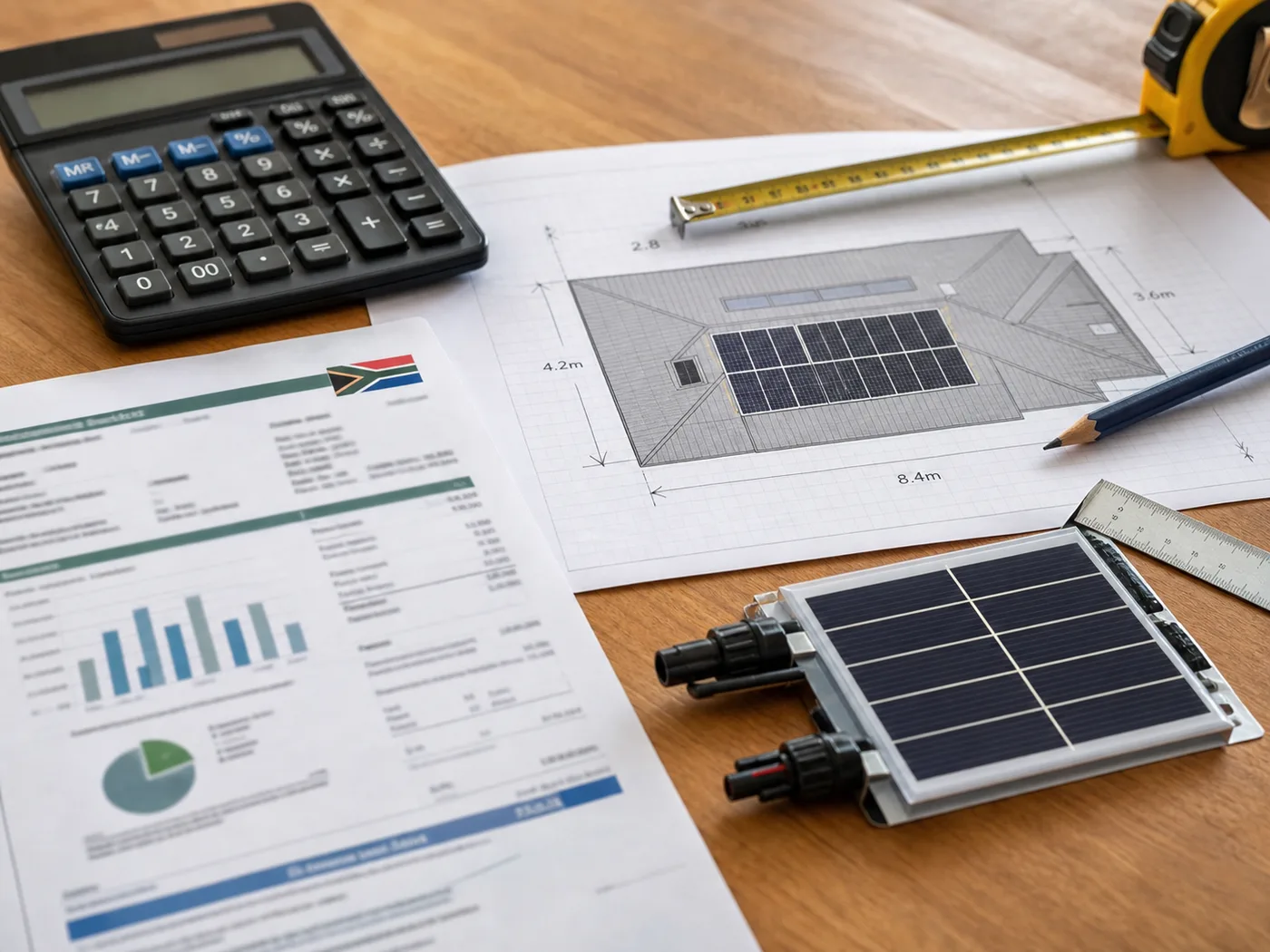
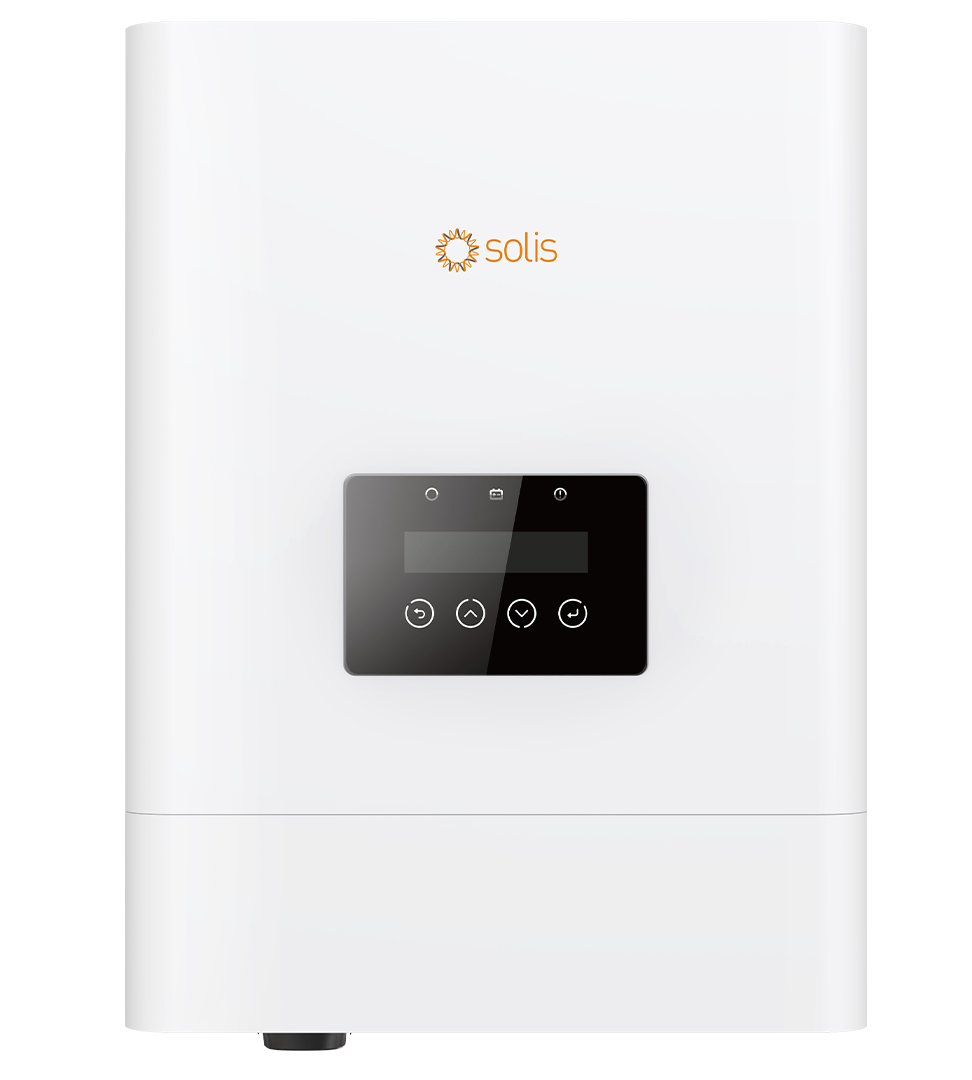
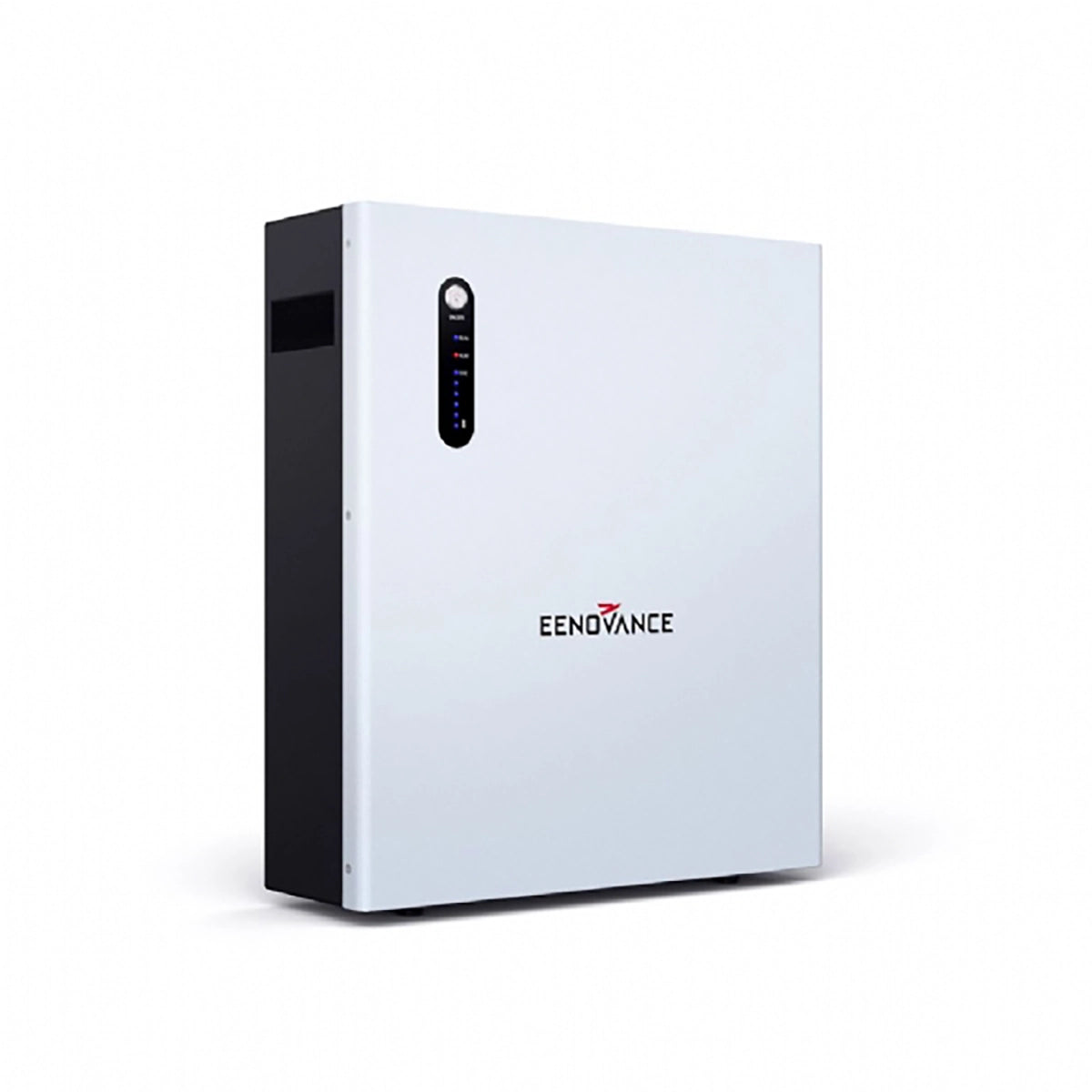
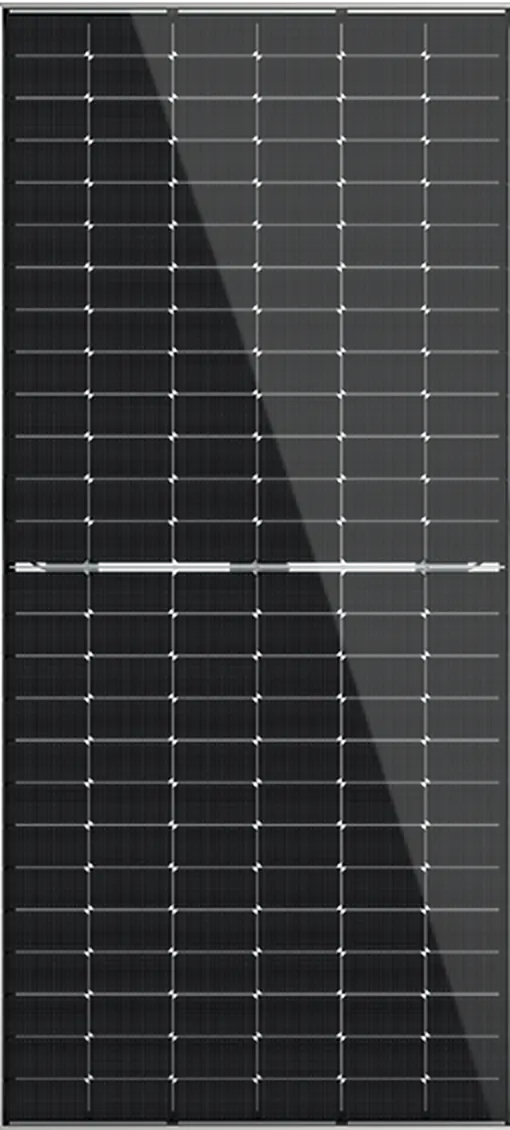
The same system can look very different as an outright purchase, rent-to-own plan or subscription. Compare the published package structures before you request a tailored quote.
Ask a room full of South African homeowners whether solar adds value to a property and you'll get two confident, opposite answers. One camp treats it as an obvious yes: who wouldn't pay more for a home that shrugs off load-shedding? The other insists solar is a personal lifestyle spend that never fully comes back at sale.
The honest answer sits between them, and it depends heavily on how the system was bought, sized and documented. Solar can genuinely strengthen your home's appeal and support its price, but it isn't a guaranteed rand-for-rand return. This guide separates what the evidence actually supports from wishful thinking, and shows you how to give a solar home the best possible chance at the negotiating table.
Key takeaways
Solar tends to make a home more attractive and easier to sell, especially in a load-shedding-weary market.
It supports value rather than guaranteeing a full cash return, so treat resale as a bonus, not the main reason to install.
Owned, well-documented systems add more buyer confidence than financed systems with debt or contracts attached.
Right-sizing, professional installation and a clean paper trail are what turn solar from a question mark into a selling point.
Why solar can lift buyer appeal
South African buyers have lived through years of load-shedding, steep tariff increases and grid uncertainty. That experience has reshaped what people want from a home. A property that keeps the lights, Wi-Fi and fridge running through a bout of Stage 4 isn't an abstract nicety. It's a daily-life upgrade buyers can immediately picture.
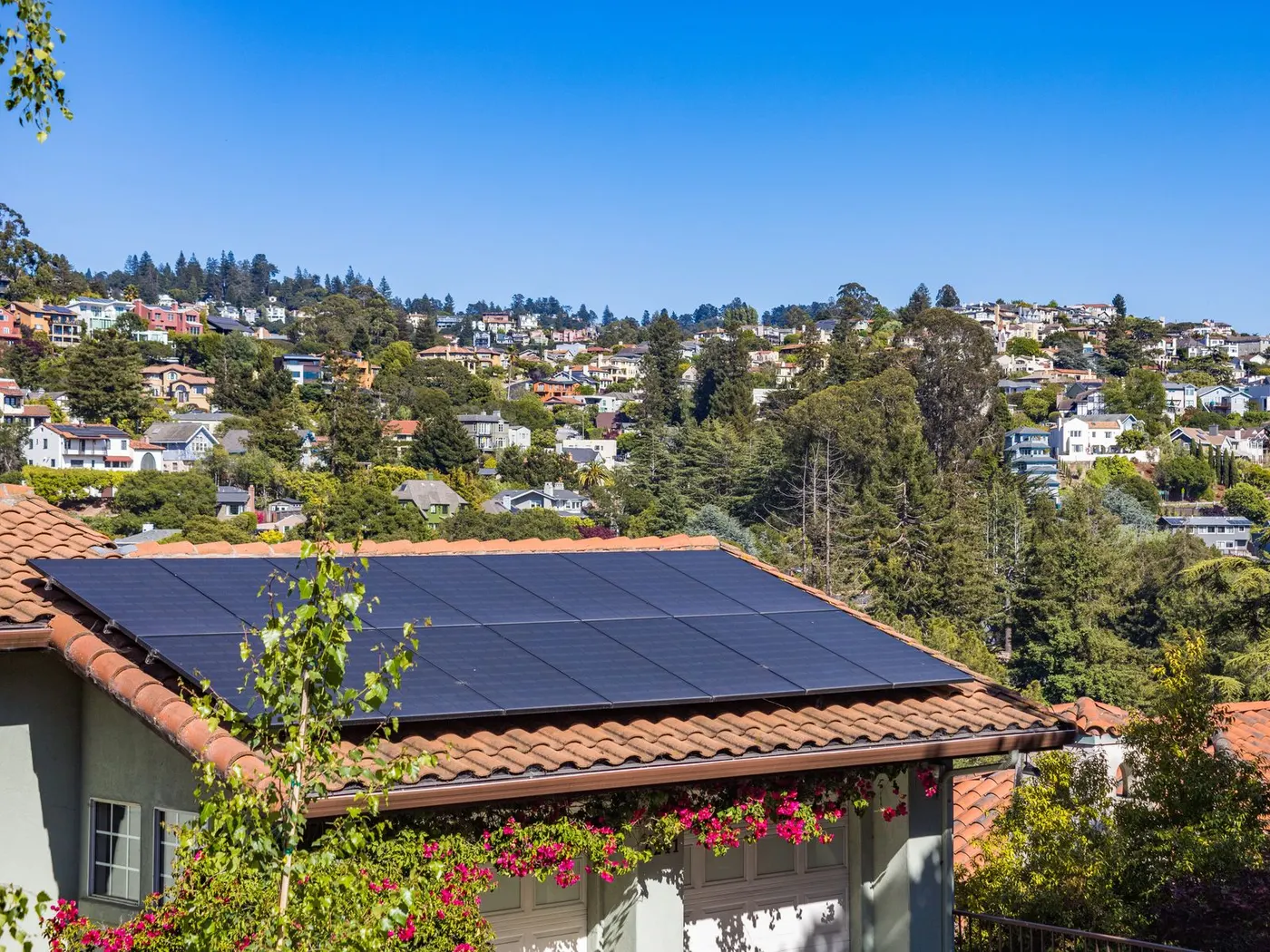
That practical pull is where solar earns its keep at resale. Two similar homes on the same street, one with a working solar and battery system and one without, don't present the same proposition. The solar home offers lower running costs and resilience from day one, and in a competitive market that can mean more interest and a stronger negotiating position for the seller.
Appeal is not the same as a fixed price bump
Here's the key distinction. Solar improves how sellable and desirable a home is, but property valuation in South Africa still leans heavily on location, size, condition and comparable sales. There's no fixed formula that says a system adds a set percentage to your price. Treat solar as something that helps your home stand out and hold its value, not a guaranteed cash multiplier.
What determines how much value solar adds
Not all solar installations are equal in a buyer's eyes. A few factors do most of the heavy lifting.
Ownership versus finance
A system you own outright is the simplest proposition for a buyer. A financed system can be more complicated because the debt or agreement may need settlement or an approved transfer at sale. Compare those outcomes before choosing how to pay.
If you buy outright, or complete every ownership condition in a rent-to-own agreement, the hardware can transfer with the property as an owned asset. Our rent-to-own vs buying guide explains the transfer, settlement and total-cost questions to resolve before signing.
By contrast, a subscription, where you never own the equipment, generally doesn't transfer as a value-adding asset, because it's a service contract tied to you rather than a fixture of the home. That's a fair trade-off for the flexibility a subscription offers, but it matters if resale value is your priority.
Right-sizing and quality
A system that genuinely covers a household's needs reads very differently to a token installation that still leaves big Eskom bills. Quality brands, a properly sized battery and a professional installation all signal to a buyer, and their bank's valuer, that this is a serious, reliable asset rather than a patch job.
Not sure which system you need?
Get a free, no-obligation quote sized to your home, usage and budget. It only takes a minute.
This is the most underrated factor. A home with full documentation (proof of a compliant installation, the electrical Certificate of Compliance, SSEG registration with the municipality where required, warranty papers and monitoring history) is far easier to sell than one where the buyer has to take the wiring on faith. Good documentation removes doubt, and doubt is what kills price at negotiation.
How to maximise solar's contribution to resale value
If resale value is part of your thinking, a few decisions stack the odds in your favour.
Aim to own the system by the time you sell, whether through an outright purchase or by completing a rent-to-own term. Size it properly so a buyer sees meaningful independence from Eskom rather than a half-measure. Use reputable equipment and a professional installer, because obscure brands and DIY wiring raise red flags. And keep every document from day one, including your Certificate of Compliance and municipal SSEG registration.
The single best move you can make is to start with a properly designed system rather than the cheapest possible one. A system matched to your home is the one that also appeals to the next owner. Get a free quote → to get a design sized to your actual roof and consumption.
Free tool
Estimate your system & savings
Move the slider to your monthly bill for an instant, indicative suggestion.
This is an indicative starting point. The site assessment and signed quote confirm the system, current price, equipment, savings and backup time. Rent-to-own payments increase by 6.5% each year.
A realistic way to think about it
The healthiest mindset is this: install solar primarily for the savings and resilience you'll enjoy while you live in the home, and treat the resale benefit as a genuine bonus rather than the core justification. Every month you own a well-sized system, it pays you back through a smaller Eskom bill and uninterrupted power. That value is real and immediate, regardless of what happens at sale.
Then, when you do sell, a documented, owned, quality system becomes a differentiator that helps your home move faster and hold its price in a market full of load-shedding-weary buyers. You get years of savings now and a stronger position later. Get a free quote → to see which package fits your home and your longer-term plans.
Frequently asked questions
Will solar increase my selling price by a fixed amount?
No. Solar supports and strengthens a home's value and appeal, but there's no fixed percentage or rand figure it adds. South African valuations still centre on location, size, condition and comparable sales, so treat solar as a differentiator rather than a guaranteed cash return.
Does a financed solar system still add value?
It can, but it's more complex than an owned system. Finance agreements or debt attached to the system usually have to be settled or handled at sale. An owned system, bought outright or through a completed rent-to-own term, is the cleanest and most attractive proposition for a buyer.
What about a subscription system when I sell?
A subscription is a service contract for equipment you don't own, so it generally doesn't transfer as a value-adding asset the way owned hardware does. Subscriptions are excellent for flexibility, but if resale value is your priority, ownership through purchase or rent-to-own is the stronger route.
What documents help sell a solar home?
Keep your Certificate of Compliance, municipal SSEG registration where required, warranty paperwork, installation records and any monitoring history. A complete paper trail removes buyer doubt about safety and quality, which protects your price during negotiation.
Should I install solar mainly to boost resale value?
No. Install it primarily for the monthly savings and load-shedding resilience you'll enjoy while living there, and treat resale as a bonus. SolarGuide is an independent referral partner; Alumo supplies, installs, finances and warrants the systems, and all pricing is indicative and subject to a site assessment and credit approval.
SolarGuide is an independent referral partner. We help you compare options and arrange a free quote — Alumo supplies, installs, finances and warrants the systems. Pricing is indicative, sourced from Alumo’s published catalogue, and subject to a site assessment and credit approval.