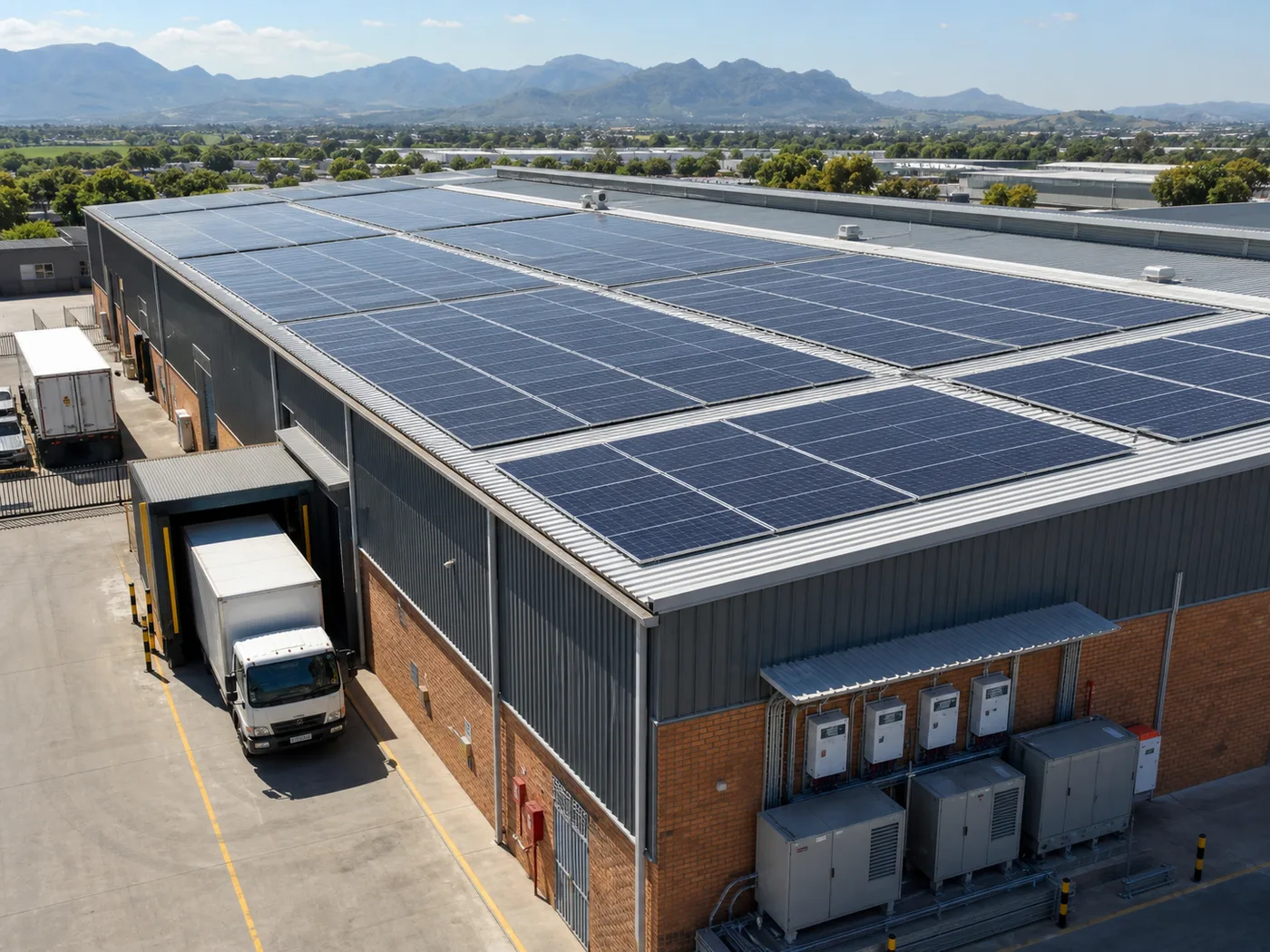
Commercial solar depends on operating hours, load profile, roof or ground space and the cost of interruption. Start with the business solutions overview and build the enquiry around your numbers.
A school runs on electricity in ways that are easy to overlook until the power goes off. The computer lab falls silent mid-lesson, the interactive boards go blank, the admin office loses the printer, the phones and the network, the tuck shop fridges warm up, and in a boarding school the kitchen, the geysers and the boarders' Wi-Fi all stop at once. Load-shedding does not just interrupt a lesson. It eats into teaching time, disrupts assessments and drives up costs for an institution that is almost always working to a tight budget.
Solar is an unusually good fit for schools, for one simple reason: a school uses most of its power in daylight, exactly when panels produce. That makes the economics attractive. A well-designed system flattens a rising electricity bill and keeps the classrooms and labs running through load-shedding. Depending on how the school is structured, it can also unlock either the Section 12B tax deduction or, for a registered non-profit, other funding routes. This guide walks through how solar works for schools in the South African context.
Key takeaways
Schools use most of their power in daylight, which makes solar an especially efficient fit: you consume as you generate.
Protecting teaching time, labs, assessments and admin systems through load-shedding is the headline benefit.
How a school claims a tax benefit depends on its structure: a taxed entity may use Section 12B; a registered PBO/NPO usually cannot, but has other funding routes.
A phased approach, starting with the highest-impact loads like labs, admin and security, keeps the project affordable.
SolarGuide helps you compare and get a free quote; Alumo supplies, installs, finances and warrants the system.
Why solar suits schools so well
Daytime load meets daytime generation
Most businesses have to weigh how much of their consumption falls in daylight. A school barely has to ask. The teaching day, roughly 7am to 3pm, sits inside the sun's most productive hours. That means a school can lean on a larger panel array and a smaller battery, because the panels generate precisely when the classrooms, labs and offices are drawing. Few building types line up this neatly, which is why solar tends to pay back faster for a school than for an evening-heavy operation.
Teaching time is the real cost of load-shedding
A blackout during school hours is not a minor inconvenience. It stops a computer-based lesson dead, interrupts online assessments, silences the intercom and bells, and can force the cancellation of anything that runs on power. For a school, the value of solar is measured less in rands saved and more in uninterrupted teaching and a school day that runs regardless of the Eskom schedule.
Security and safety after hours
Schools also carry a load that runs long after the last bell: perimeter lighting, electric fencing, alarm systems and CCTV that protect valuable equipment and empty buildings overnight. These are most needed exactly when the grid is down, and a solar system with battery backup keeps them live through every stage of load-shedding.
Sizing a system for a school
Start with the load profile
Hand your installer 12 months of electricity bills, ideally with the half-hourly data the municipality or Eskom can provide. A school's profile is usually a clean weekday-daytime shape with quiet weekends and holidays, which is useful, because it tells the designer how to balance array size against battery storage. A day school with little evening use needs less battery than a boarding school running kitchens, geysers and dormitories into the night.
Decide what has to stay live
A phased, priority-led design keeps the project affordable. The highest-impact loads usually come first: the computer labs and network, the admin office, the security systems and essential lighting. From there a school can expand, adding classroom blocks, the hall, sports lighting or boarding facilities as budget allows. Trying to back up everything at once is what makes projects stall; sizing around what genuinely matters is what gets them approved.
Alumo's business packages for schools
For a substantial school, Alumo's commercial tiers are the natural fit:
Energy Efficiency: roughly 120kWh of battery storage and a 50.05 kWp array, from around R18,000/month. Suited to a medium school covering labs, admin, security and core teaching blocks.
Powerhouse: a 125kW inverter, around 261kWh of battery and a 100.1 kWp array, from around R34,000/month. For a large campus, a boarding school or a multi-building institution with heavy loads.
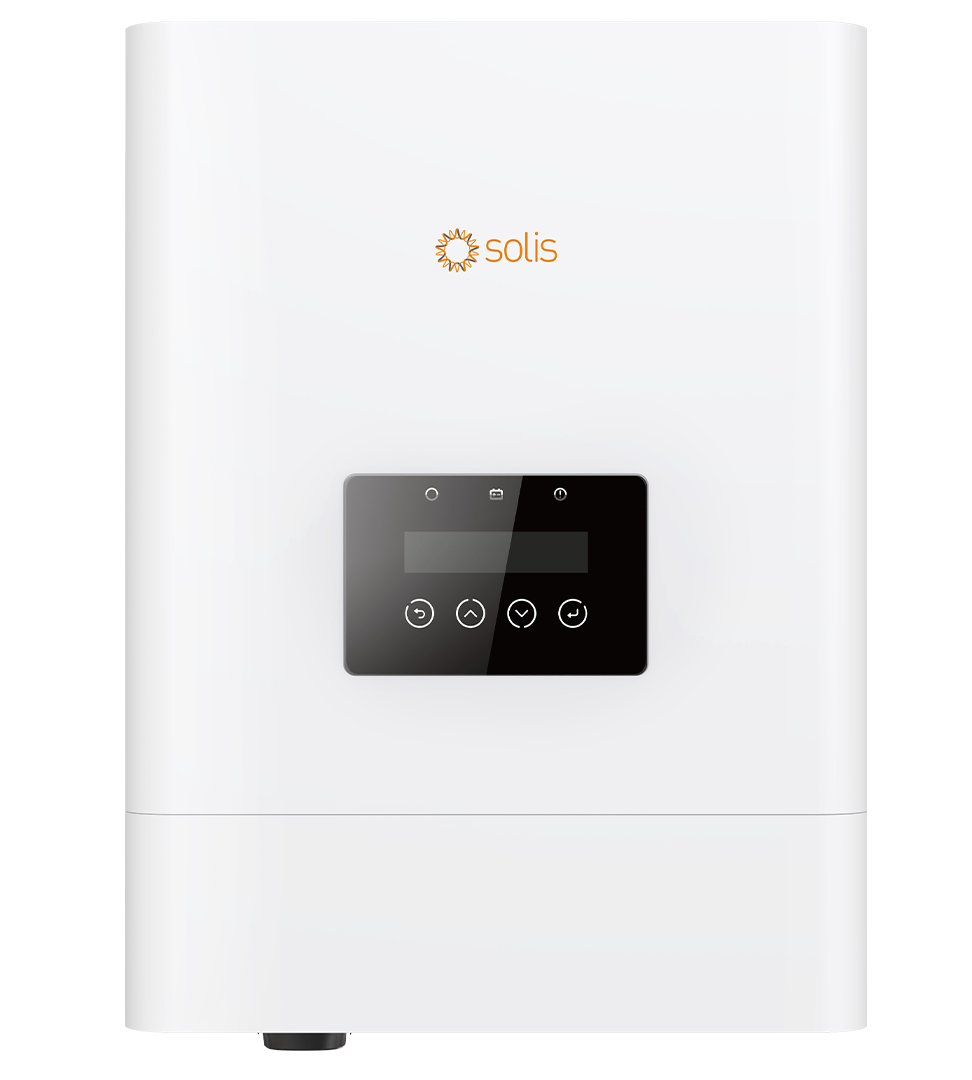
Alumo's current solar-plus-battery rent-to-own range uses a Solis 5kW inverter and Eenovance 5.32kWh battery: Watt-a-Deal has three 615W panels from R1,418/month, The Big Watt has four from R1,487/month, and The Power Bae has six from R1,626/month on a seven-year term. Three- and five-year prices, solar-only configurations and battery-only pricing are available on our current package comparison.
Here is where schools differ from an ordinary business, and where you genuinely need advice tailored to your structure.
A fee-charging private school run as a taxed entity may be able to use Section 12B of the Income Tax Act, which allows a deduction for the cost of a qualifying renewable energy asset used in producing income. If the school pays tax on a surplus, Section 12B can write off a meaningful slice of the system against that liability, but only if the school is actually in a taxpaying position, so this is a conversation for the school's accountant.
A registered Public Benefit Organisation or non-profit, which many schools are, typically does not pay income tax in the same way, so Section 12B is usually not the relevant lever. Instead these schools tend to fund solar through the budget, a monthly finance plan, a capital drive, donor or alumni contributions, or grant funding earmarked for infrastructure. The honest guidance is the same either way: confirm your school's exact tax status and funding options with your accountant or auditor before finalising how you pay for the system.
Whichever route applies, Alumo's commercial packages are structured as predictable monthly plans, which turns a large capital outlay into a fixed line in the operating budget, often at or below the current electricity spend and without the annual tariff hikes. Alumo also backs its systems with a money-back savings guarantee: the system is designed to deliver a promised saving, and if it doesn't perform, Alumo stands behind that commitment, subject to a proper load assessment and the agreed terms. Get a free Alumo quote → to see the monthly figure and guaranteed saving for your campus.
A sensible first step
If you sit on a governing body or run a school's operations, the lowest-friction start is a free assessment. Hand over a year of bills, let the design be built around your actual daytime load, and you get real figures (system size, monthly cost, which loads get backed up) to put in front of the board or the finance committee without committing to anything. From there the decision has something concrete to weigh.
Compare cash payback with a financed system, using your own bill, tariff and assumptions.
R 2 500
R 110 000
70%
Payment route
Cash payback
5.2 years
20-year net saving
R 851 001
Year-one saving
R 1 750/mo
Estimated array
4.4 kW
About 8 × 550 W panels
Roughly 23.3 m² of usable roof
Indicative scenario only. It excludes finance fees, tax effects, maintenance, export credits and site-specific generation. The assumptions are visible below so the result can be challenged instead of treated as a quote.
Because a school uses most of its power during the school day, which falls squarely inside the sun's most productive hours. That alignment means panels generate exactly when classrooms, labs and offices are drawing power, so the system works efficiently and tends to pay back faster than for an evening-heavy operation. It also lets the design lean on a larger array and a smaller battery.
Can a school claim the Section 12B tax deduction?
It depends entirely on the school's structure. A fee-charging private school run as a taxed entity that pays tax on a surplus may be able to use Section 12B to deduct the cost of a qualifying solar system. A registered PBO or non-profit school usually does not pay income tax in the same way, so Section 12B is generally not the relevant lever, and those schools fund solar through the budget, finance, donations or grants instead. Confirm your status with your accountant.
Do we have to power the whole school at once?
No, and most schools shouldn't. A phased design starts with the highest-impact loads, typically the computer labs, admin, security and essential lighting, then expands to more classroom blocks, the hall or boarding facilities as budget allows. This keeps the project affordable and easier to approve, while protecting what matters most first.
What is the money-back savings guarantee?
Alumo designs each system to deliver a promised level of saving and backs it with a money-back savings guarantee: if the system does not perform as promised, Alumo stands behind it. The guarantee rests on a proper assessment of your load and the agreed terms, so it is not unconditional, but it puts the savings case in writing. Confirm the exact terms as part of your quote.
Who installs and finances the system?
Alumo supplies, installs, finances and warrants the system, including the commercial packages suited to schools. SolarGuide is an independent referral partner that helps you compare options and get a free quote. All pricing is indicative and subject to a site assessment and credit approval.
SolarGuide is an independent referral partner. We help you compare options and arrange a free quote — Alumo supplies, installs, finances and warrants the systems. Pricing is indicative, sourced from Alumo’s published catalogue, and subject to a site assessment and credit approval.