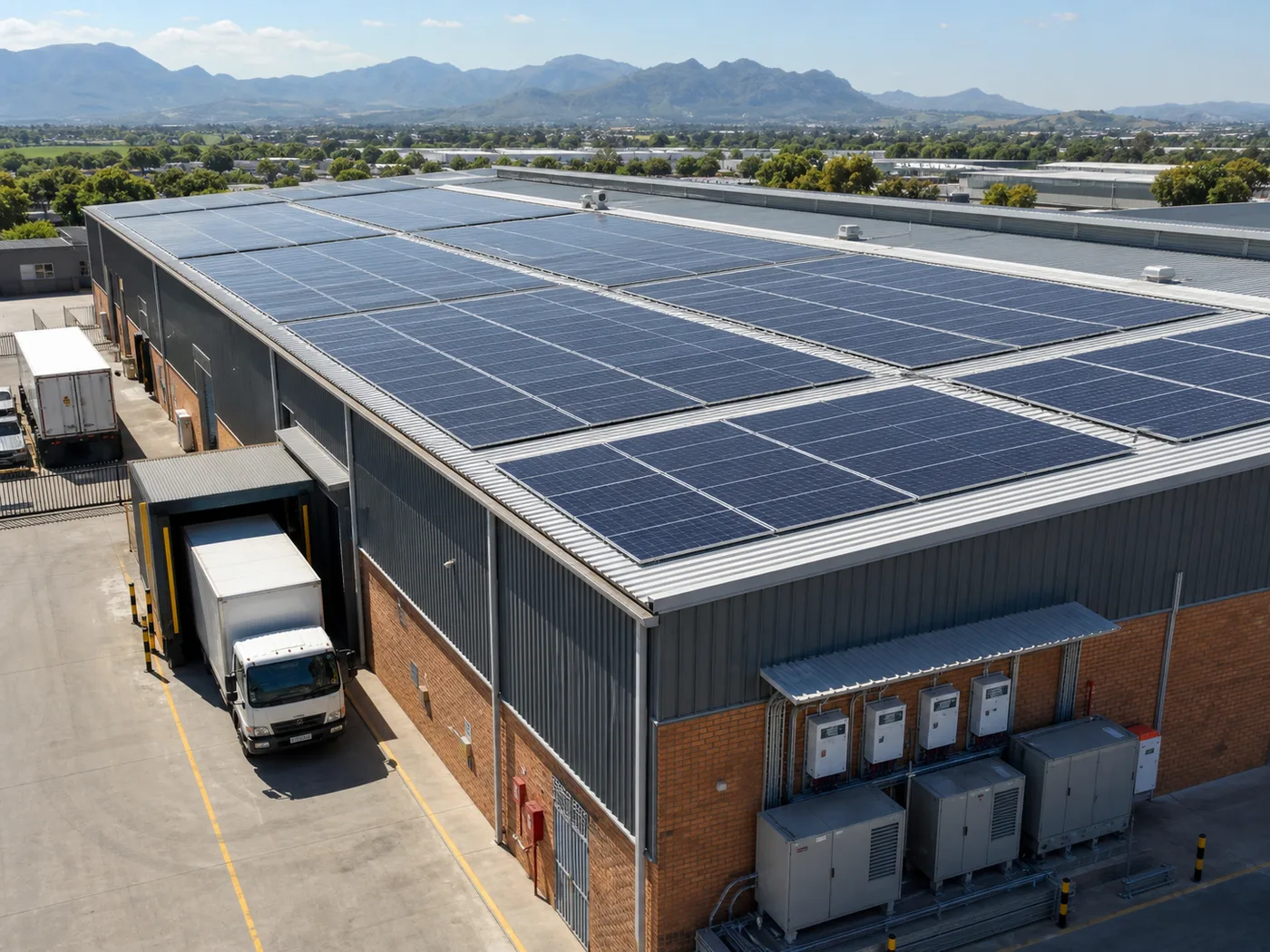
Commercial solar depends on operating hours, load profile, roof or ground space and the cost of interruption. Start with the business solutions overview and build the enquiry around your numbers.
An office doesn't look like a heavy power user until the lights go out. Then you notice how much runs on electricity: the workstations and monitors, the servers and network switches, the Wi-Fi that half the building depends on, the VoIP phones, the air-conditioning that keeps a full open-plan bearable, and the coffee station that keeps morale alive. When load-shedding hits, productivity doesn't dip. It stops. Staff sit idle, deadlines slip, client calls drop, and if you run any kind of always-on service, the outage can reach customers who never set foot in your building.
Solar is a natural answer for offices and SMEs, much like a school, for a simple reason: an office uses most of its power during business hours, in daylight, exactly when panels produce. That alignment is what makes the numbers work. A properly designed system keeps your team working through every stage of load-shedding, flattens a power bill that keeps climbing above inflation, and, through Section 12B of the Income Tax Act, lets a profitable business write the investment off against taxable income. This guide covers how solar works for an office specifically.
Key takeaways
Offices use most of their power in daylight, so solar aligns generation with consumption and works efficiently.
Keeping staff productive through load-shedding is usually worth far more than the electricity saving alone.
Office load is steady and predictable — lighting, IT, air-conditioning and a server room — which makes it a clean solar fit.
Section 12B lets a profitable SME deduct the full cost of a solar system in the year it is brought into use.
SolarGuide helps you compare and get a free quote; Alumo supplies, installs, finances and warrants the system.
Why solar makes sense for an office
Idle staff are the real expense
Run the maths on a single load-shedding slot. A team of twenty people unable to work for two and a half hours is a large chunk of a salaried day lost — and unlike a fridge, that time cannot be recovered later. For most offices, the value of solar sits less in the rand saved on the bill and more in the productivity protected. Framed as continuity rather than a green project, the investment gets a lot easier to justify to a board or a partner.
Your systems can't blink
Many offices now run something that genuinely cannot go down: a local server, a VoIP phone system, a point-of-sale backend, a booking platform, cloud sync for a whole team. A UPS buys minutes; it does not carry you through a four-hour Stage 6 stretch. A solar system with proper battery storage keeps the server room, the network and the phones live through the whole outage, so the business keeps functioning rather than scrambling.
Comfort keeps people working
Air-conditioning is not indulgence in a Johannesburg summer or a humid coastal office — it is what keeps a full room productive. When the aircon dies with the grid, the office empties out. Backing up climate control, at least in the core working areas, keeps people at their desks.
Sizing solar for an office
Predictable load is easy to design for
Offices are among the easier commercial spaces to size, because the load is steady and predictable. Lighting, computers, monitors, network gear and air-conditioning draw fairly consistently through the working day, and almost all of it falls in daylight. That daytime-heavy profile is the ideal solar candidate: you can lean on a larger array and a proportionally smaller battery, because you are consuming as you generate.
Hand your installer 12 months of electricity bills, ideally with the half-hourly data your municipality or Eskom can provide. That load profile confirms your peak demand — usually when the air-conditioning and full IT load run together on a hot afternoon — which sets the inverter size.
Separate the critical loads
A smart design keeps the non-negotiables (the server room, network, Wi-Fi, phones, essential lighting and a share of the air-conditioning) on backup so work never stops, while managing heavier or discretionary loads around the grid. If you run a server room, flag it early. It runs around the clock and often needs its own dedicated backup and cooling.
Alumo's business packages for offices
For a substantial office or a growing SME, Alumo's commercial tiers fit:
Energy Efficiency — roughly 120kWh of battery storage and a 50.05 kWp array, from around R18,000/month. This suits a medium office floor with full IT, air-conditioning and a server room.
Powerhouse — a 125kW inverter, around 261kWh of battery and a 100.1 kWp array, from around R34,000/month. This is for a large office building, a multi-tenant premises or a business park block with heavy combined load.
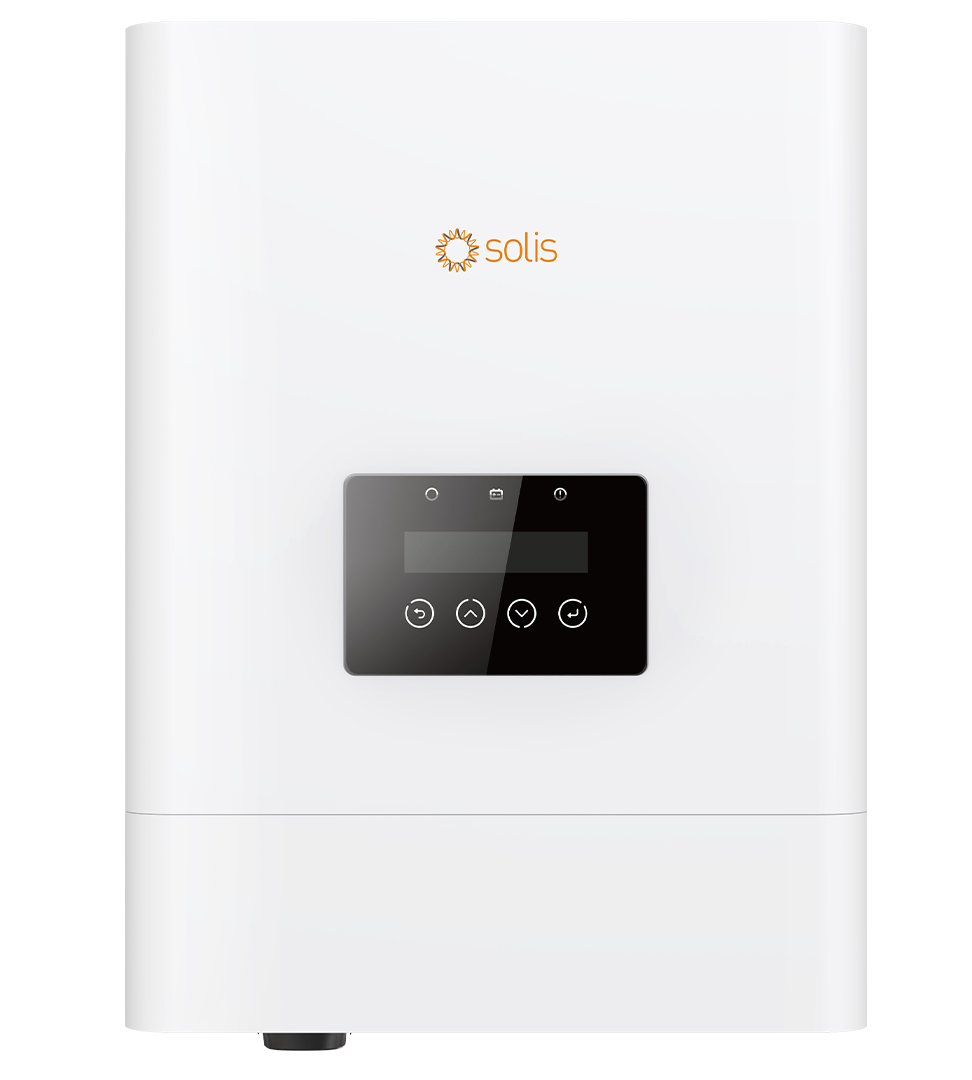
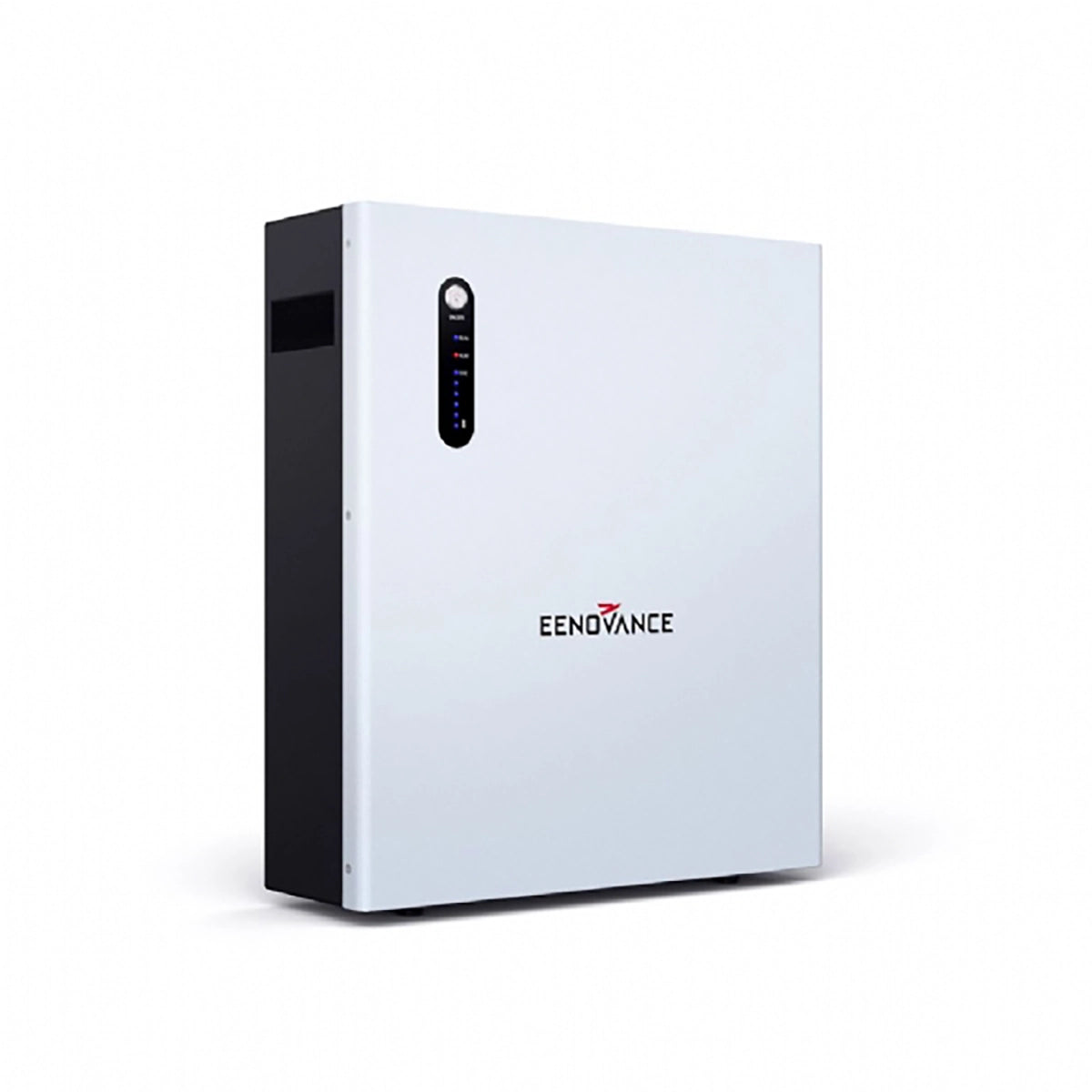
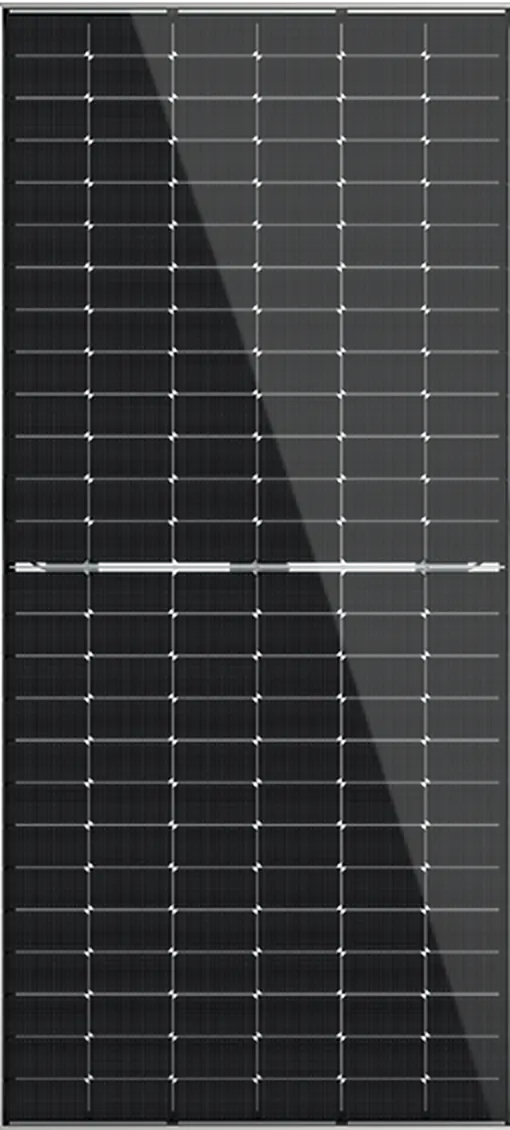
Alumo's current solar-plus-battery rent-to-own range uses a Solis 5kW inverter and Eenovance 5.32kWh battery: Watt-a-Deal has three 615W panels from R1,418/month, The Big Watt has four from R1,487/month, and The Power Bae has six from R1,626/month on a seven-year term. Three- and five-year prices, solar-only configurations and battery-only pricing are available on our current package comparison.
This is the part many SME owners underuse. Under Section 12B of the Income Tax Act, a business can deduct the cost of a qualifying renewable energy asset used in producing income. For a profitable office-based business, that writes off the qualifying cost against taxable income, so a meaningful slice of the system effectively comes back through a lower tax bill. The honest caveats: it only helps a business making taxable profit, the asset must be used in producing income, and the details depend on your structure. Involve your accountant before you sign, not after.
Alumo's commercial packages are structured as predictable monthly plans, which turns a large capital outlay into a fixed operating cost — capital that most SMEs would rather keep working in the business than sink into a roof. That monthly figure often sits at or below your current Eskom spend, and unlike your tariff, it does not climb every year. Alumo also backs its systems with a money-back savings guarantee: the system is designed to deliver a promised saving, and if it does not perform as promised, Alumo stands behind that commitment, subject to a proper load assessment and the agreed terms. Put the monthly structure, the Section 12B deduction and the guarantee together, and the case for an office becomes compelling. Get a free Alumo quote → to see the exact figures for your premises.
Common mistakes to avoid
Relying on a UPS alone. A UPS bridges seconds to minutes, not the hours of a deep load-shedding stage. If your systems must stay up, you need battery storage sized for real outages.
Forgetting the server room. Always-on IT changes the design. Flag it up front so it gets dedicated backup rather than being lumped in with general load.
Ignoring SSEG registration. Grid-tied commercial systems must be registered as Small-Scale Embedded Generation with your municipality or Eskom. A reputable installer handles this — confirm it is on the plan.
Skipping the accountant. Section 12B is powerful but structure-dependent. Get advice before you commit.
Is your office a good fit?
If load-shedding stops your team working, if your power bill keeps climbing, and if you pay tax on real profit, office solar is close to a no-brainer. The alignment of daytime load with daytime generation, plus continuity, a flat monthly cost and the Section 12B deduction, is hard to beat. The best first step is a free assessment: hand over a year of bills, let the design be built around your actual load, and see the monthly figure and guaranteed saving in black and white.
This is an indicative starting point. The site assessment and signed quote confirm the system, current price, equipment, savings and backup time. Rent-to-own payments increase by 6.5% each year.
Frequently asked questions
Will solar keep our whole office running during load-shedding?
A well-designed system keeps the loads that matter — servers, network, Wi-Fi, phones, essential lighting and a share of the air-conditioning — live through every stage of load-shedding, so your team keeps working. Whether you back up every last load or focus on the critical ones is a cost decision made during the design, based on your actual load profile.
Is an office really a good candidate for solar?
Yes, and often a better one than people expect. An office uses most of its power during business hours in daylight, which lines up with when panels generate, so the system works efficiently and pays back faster than an evening-heavy operation. The steady, predictable load also makes an office one of the easier commercial spaces to size well.
What is the Section 12B tax benefit for an SME?
Section 12B of the Income Tax Act lets a business deduct the cost of a qualifying renewable energy asset used in producing income. For a profitable office-based SME, that lowers taxable income and reduces the true after-tax cost of the system. It only helps a business making taxable profit and the details depend on your structure, so confirm with your accountant.
What does the money-back savings guarantee mean?
Alumo designs each system to deliver a promised level of saving and backs it with a money-back savings guarantee — if the system does not perform as promised, Alumo stands behind it. The guarantee is based on a proper assessment of your load and the agreed terms, so it is not unconditional, but it puts the savings case in writing. Confirm the exact terms as part of your quote.
Who installs and finances the system?
Alumo supplies, installs, finances and warrants the system, including the commercial packages suited to offices. SolarGuide is an independent referral partner — we help you compare options and get a free quote. All pricing is indicative and subject to a site assessment and credit approval.
SolarGuide is an independent referral partner. We help you compare options and arrange a free quote — Alumo supplies, installs, finances and warrants the systems. Pricing is indicative, sourced from Alumo’s published catalogue, and subject to a site assessment and credit approval.