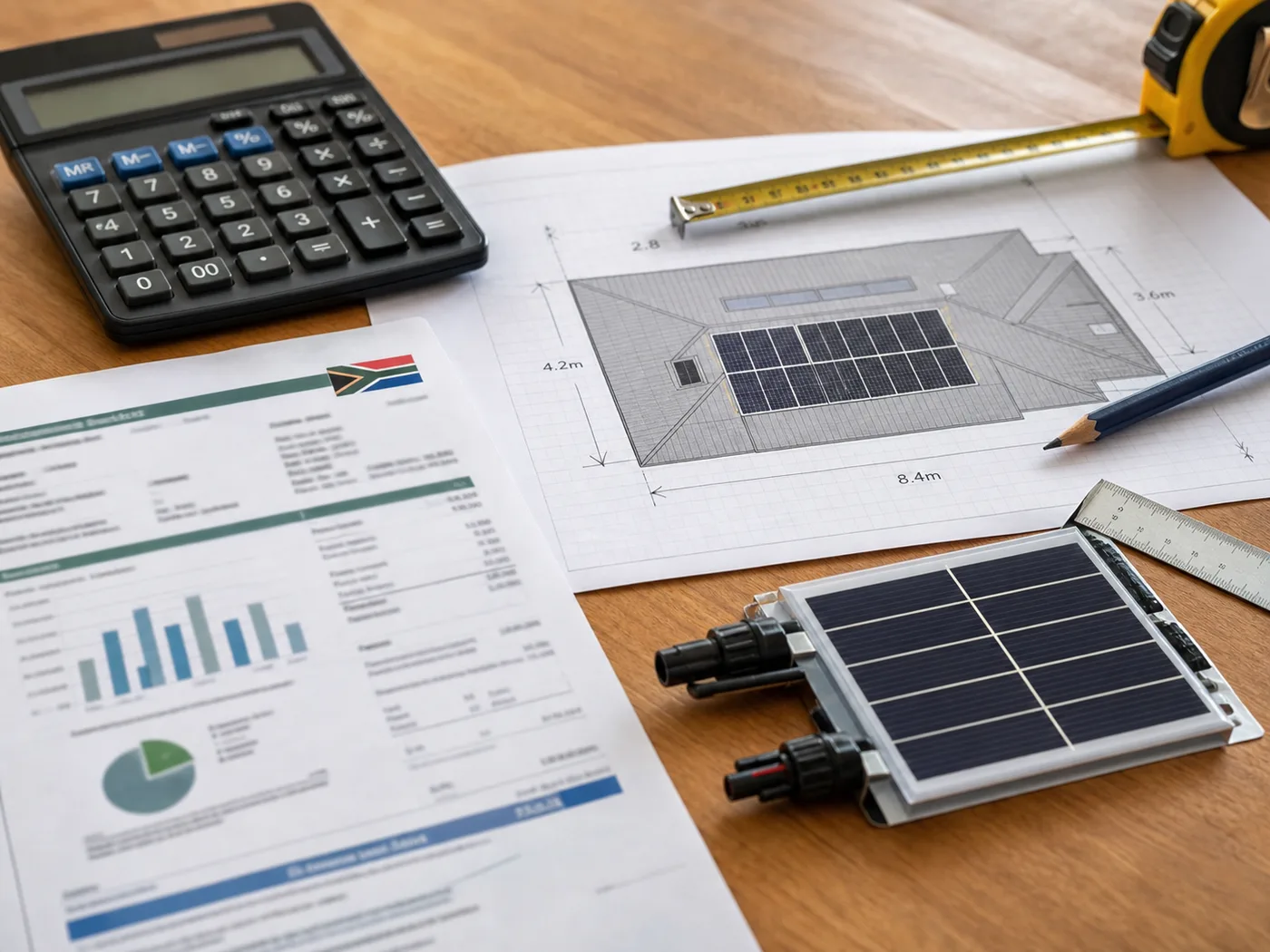
Use the calculator for an indicative starting point, then confirm the system against your roof, phase type, appliance loads and preferred backup level.
"What size solar system do I need for a three-bedroom house?" is one of the most common questions homeowners ask. It's reasonable shorthand, but it hides a trap. The number of bedrooms tells you almost nothing about how much electricity a home uses. A three-bedroom townhouse with a gas hob and a couple of energy-conscious adults might sip power, while a three-bedroom family home with an electric geyser, a pool pump and aircons in every room can burn through as much as a house twice its size.
So the honest answer is that it depends on how you live, not how many bedrooms you have. That said, three-bedroom homes do cluster around a typical usage range, and this guide walks you through the realistic sizing for one: how to work out your own number, what a sensible system looks like, and which package tends to fit. By the end you'll be able to sanity-check any quote you're handed.
Key takeaways
Bedroom count doesn't size a system; your daily kilowatt-hour (kWh) usage does.
A typical South African three-bedroom home uses somewhere around 15–30 kWh a day.
That usually points to a 5kW inverter, around six panels and a mid-size battery for real bill relief.
The geyser, pool pump and aircon are the big swing factors; deal with them and the system shrinks.
A site assessment beats any rule of thumb, because it sizes against your actual bill and roof.
Start with usage, not bedrooms
The single most useful number for sizing any home system is your daily energy use in kilowatt-hours. Your municipal bill shows monthly consumption; divide it by 30 for a daily average. A three-bedroom home commonly lands between 450 and 900 kWh a month, roughly 15 to 30 kWh a day, but where you fall in that range depends entirely on your appliances and habits.
15–30 kWh
typical daily use
5kW
inverter
~6
solar panels
What pushes a three-bed home up or down
A few big items dominate the bill in most family homes:
The electric geyser is often the single biggest load, sometimes a third of the bill on its own.
The pool pump runs for hours a day and adds up quietly.
Aircons, especially running into the evening, drive consumption hard in summer.
Cooking on an electric stove and oven adds a meaningful chunk.
A three-bed home with gas cooking, a geyser timer and no pool sits near the bottom of the range. Add a pool, electric everything and evening aircon and you're at the top. This is why two identical-looking houses can need very different systems.
What a typical three-bedroom system looks like
For a family in a three-bedroom home wanting genuine bill relief plus solid backup through load-shedding, the components tend to settle into a familiar shape.
The inverter
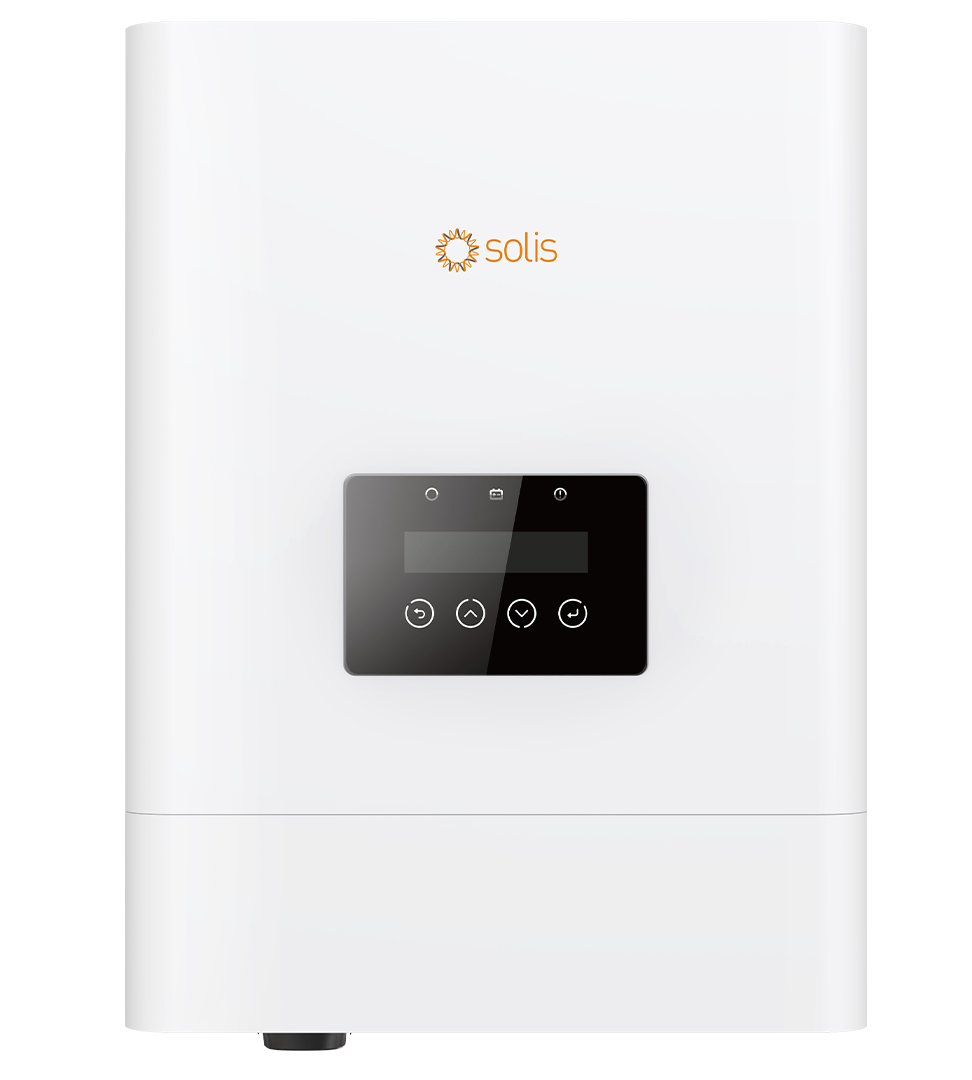
A 5kW inverter is the workhorse for most three-bedroom homes. It comfortably handles the draw of a family running lights, fridge, TV, wifi, a couple of plugs and an appliance or two at once, without clipping. Smaller 3.6kW inverters suit lighter homes or pure backup setups; larger homes with heavy loads may need more.
The panels
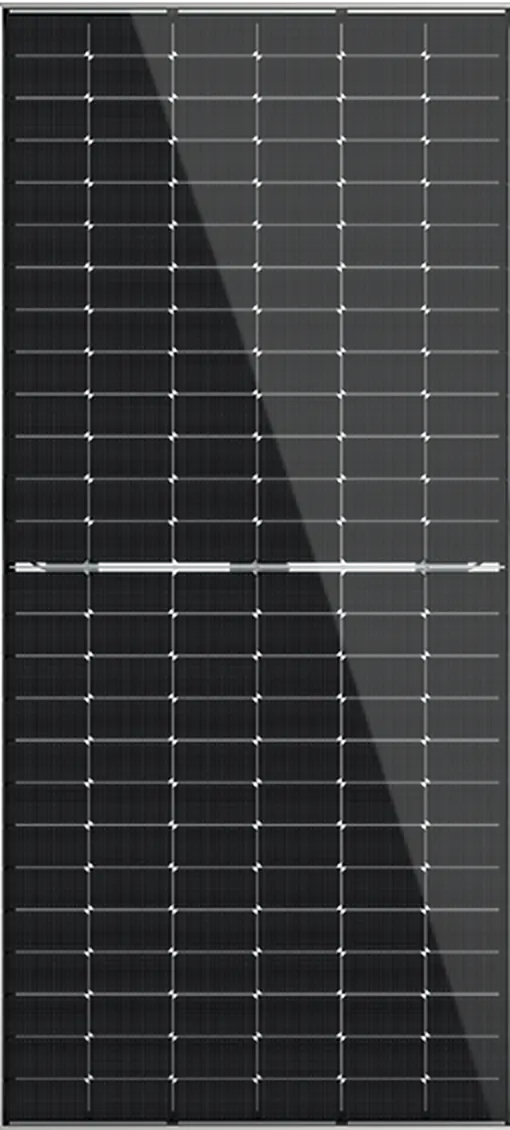
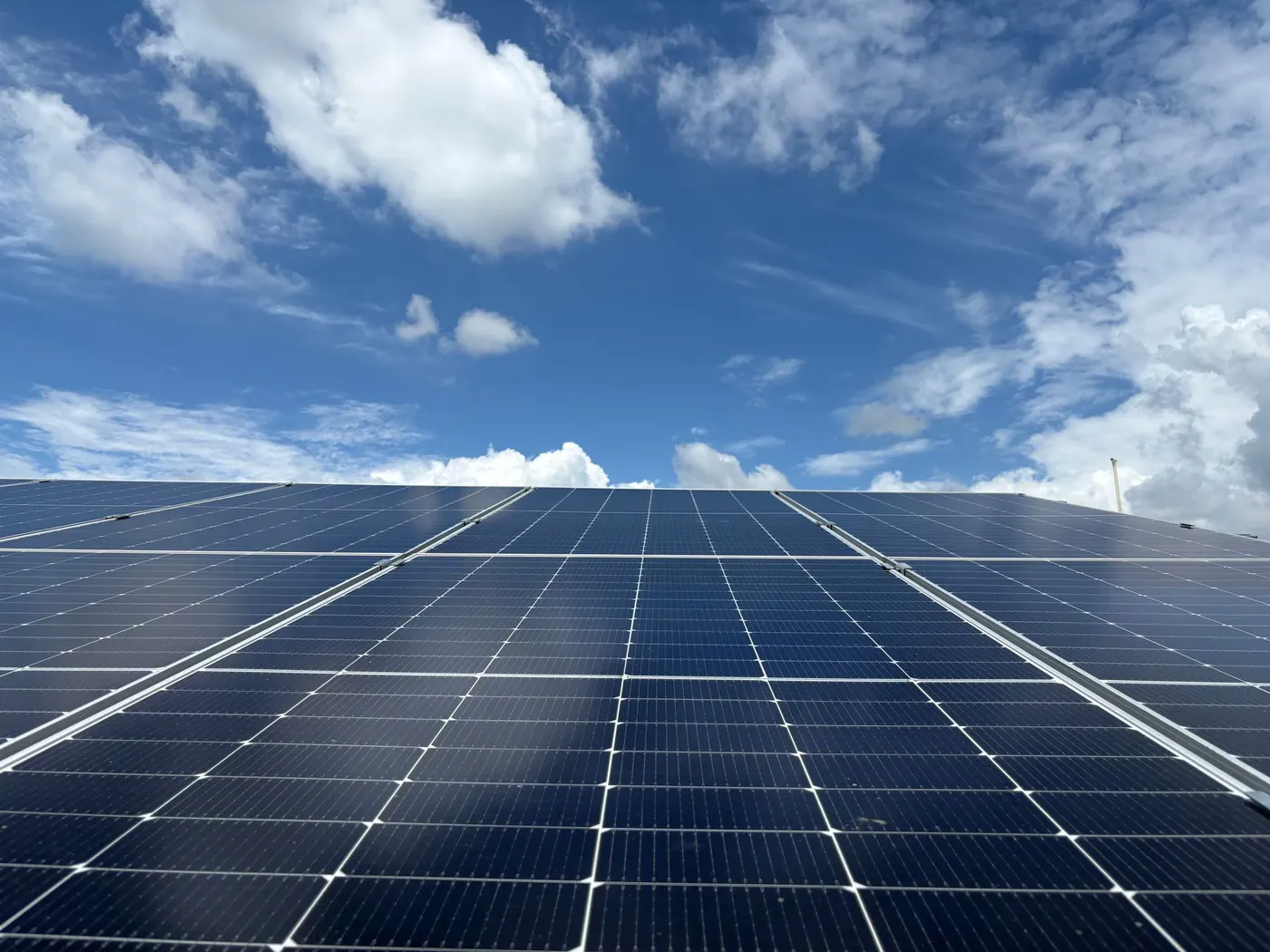
To cover a good chunk of daytime usage, most three-bedroom homes want around six panels. In good South African sun, a modern Trina or Jinko panel realistically generates a couple of kWh on a clear day, so six panels produce a useful daily total that offsets daytime consumption and charges the battery.
The battery
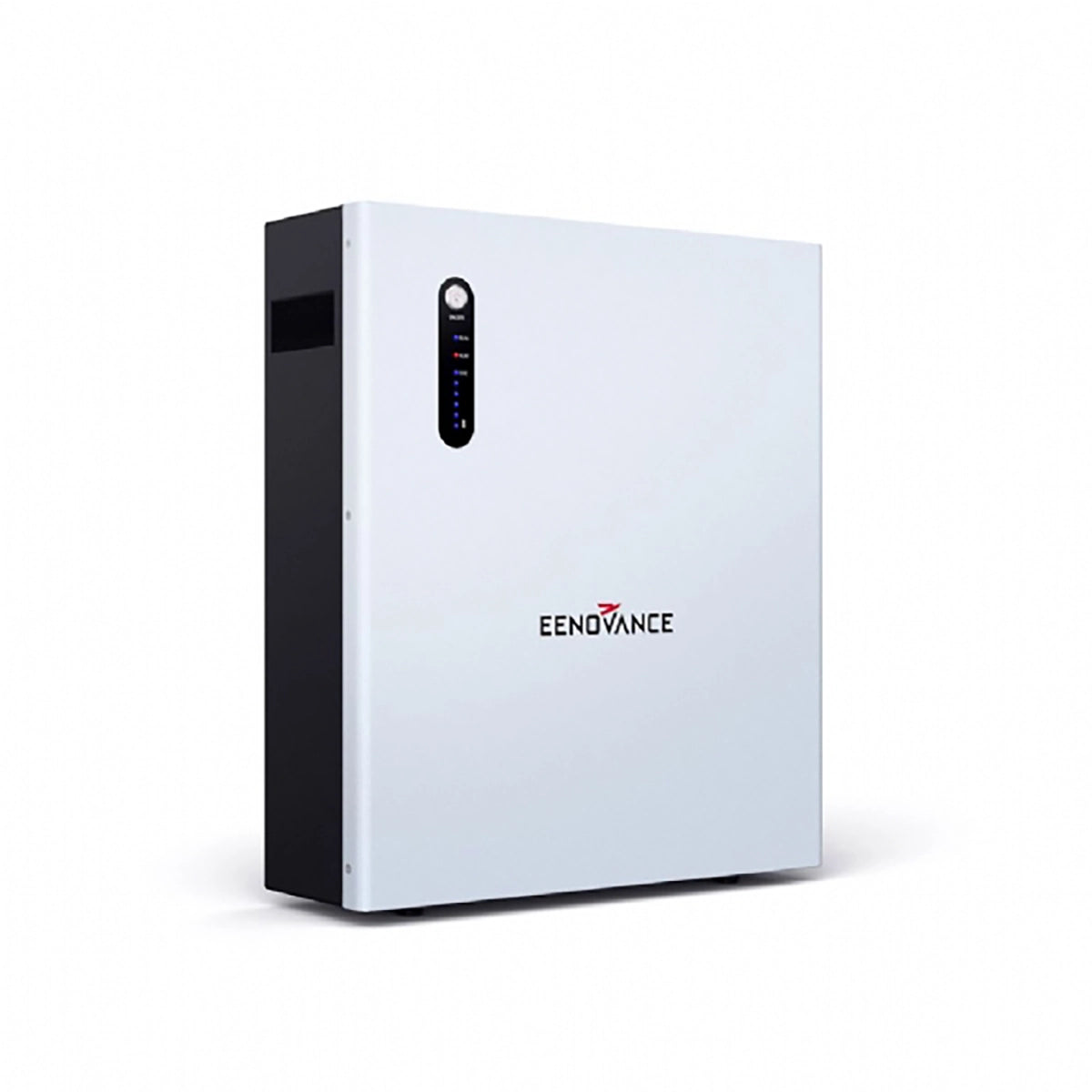
The battery carries you through the evening peak and load-shedding. A mid-size battery of roughly 5kWh covers essentials for a meaningful stretch and stores daytime surplus for after dark. If most of your usage is at night, you lean harder on the battery, so this is where sizing has to match your real pattern.
Alumo's current solar-plus-battery rent-to-own range uses a Solis 5kW inverter and Eenovance 5.32kWh battery: Watt-a-Deal has three 615W panels from R1,418/month, The Big Watt has four from R1,487/month, and The Power Bae has six from R1,626/month on a seven-year term. Three- and five-year prices, solar-only configurations and battery-only pricing are available on our current package comparison.
Not every three-bedroom home needs the full setup. If your goal is just to ride out load-shedding, keeping the lights, wifi, fridge and a few plugs alive rather than slashing the bill, a smaller system does the job for less. Four panels with the same inverter and battery cover the essentials, which is how The Big Watt is built.
The Big Watt suits a three-bed home where the household is happy to stay on the grid for daytime power but wants reliable backup and some bill relief. It's a popular middle ground because so many families want reliability first and savings second.
The smart move: shrink the load first
Before you size anything, look at whether you can cut your consumption cheaply. A geyser timer or heat-pump can slash your single biggest load. Running the pool pump on a timer during daylight, when your panels are producing, means it costs you nothing. LED lighting and efficient appliances chip away at the rest.
Cutting your load before sizing the array is one of the most cost-effective things you can do, because a smaller daily figure means a smaller, cheaper system does the same job. A good installer looks at this rather than just selling you more panels.
Want the real number for your home rather than a rule of thumb? Get a free quote → and a technician will size a system against your actual bill and roof.
Don't forget the roof
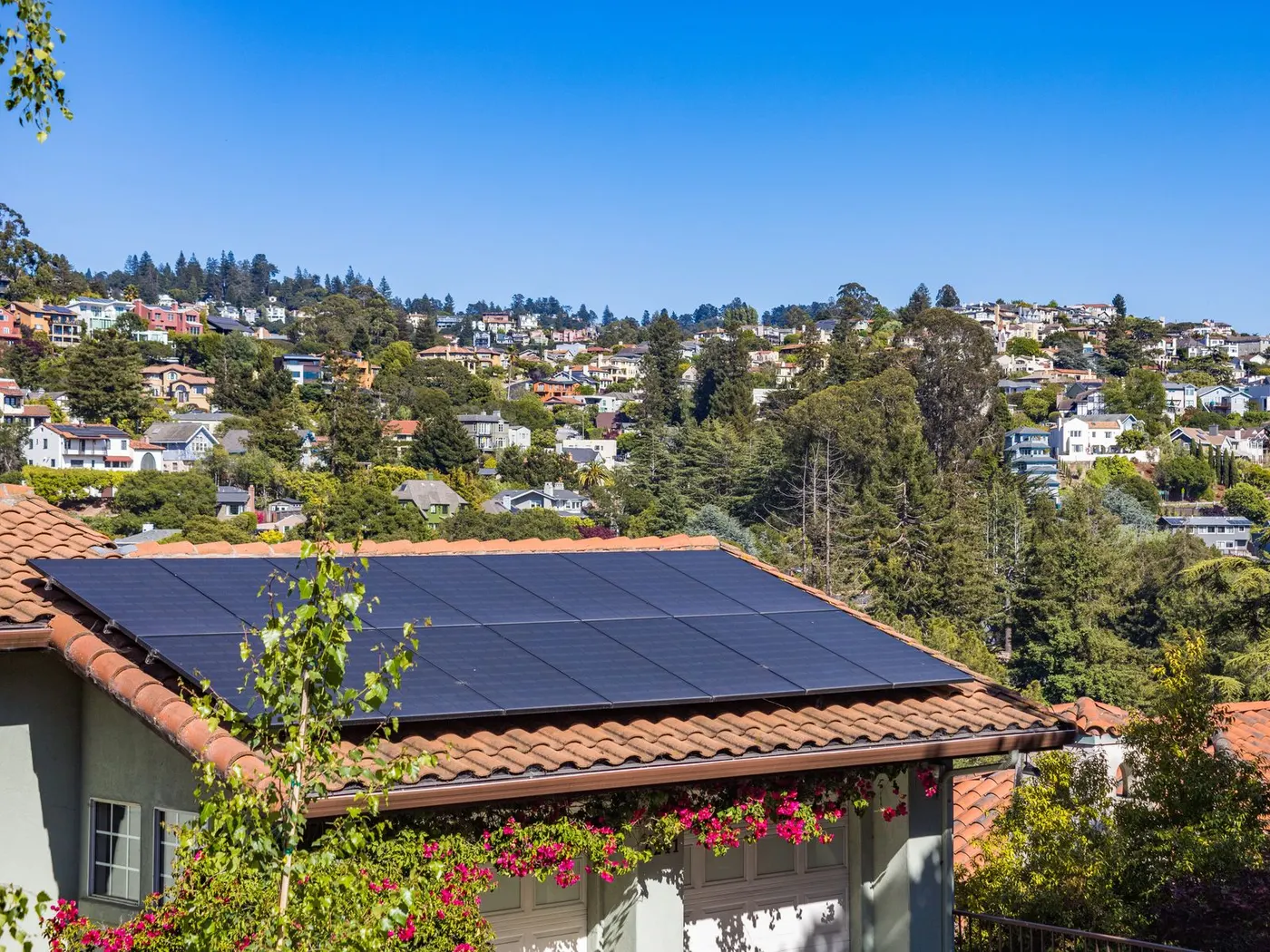
You can want six panels all you like; your roof gets a vote. Each panel takes up roughly two square metres, so a six-panel array needs around 12–14 m² of usable, unshaded roof, ideally facing north, east or west. Shading from trees, a chimney or a neighbour's wall in the late afternoon drags output down more than you'd expect. A physical site assessment surveys this across the day and seasons, which no online calculator can do.
Free tool
Estimate your system & savings
Move the slider to your monthly bill for an instant, indicative suggestion.
This is an indicative starting point. The site assessment and signed quote confirm the system, current price, equipment, savings and backup time. Rent-to-own payments increase by 6.5% each year.
Frequently asked questions
What size solar system does a 3-bedroom house need?
Most three-bedroom South African homes land on a 5kW inverter, around six panels and a mid-size battery for genuine bill relief, or a smaller four-panel setup for load-shedding backup only. Your exact size depends on your daily kWh usage, not the number of bedrooms.
How much does a solar system for a 3-bedroom house cost?
On Alumo's current solar-plus-battery rent-to-own range, the four-panel The Big Watt starts from R1,487 a month and the six-panel The Power Bae from R1,626 a month on a seven-year term. Shorter terms cost more each month. The final cost depends on your usage and roof, confirmed at a site assessment.
Can one system run my whole three-bedroom home?
Solar panels only produce during the day, so running your whole home including nights means pairing them with enough battery storage. Most families choose a hybrid system that uses solar and battery first and falls back to the grid when needed, rather than going fully off-grid.
Will solar cover my geyser and pool pump?
It can, but those are large loads worth tackling directly. A geyser timer or heat-pump and running the pool pump during daylight hours reduce your consumption cheaply, which often means a smaller, more affordable solar system does the job.
Who works out the exact system for me?
A qualified installer does, via a site assessment. Alumo supplies, installs, finances and warrants the systems; SolarGuide is an independent referral partner that helps you compare options and get a free, no-obligation quote. Pricing is indicative and subject to a site assessment and credit approval.
SolarGuide is an independent referral partner. We help you compare options and arrange a free quote — Alumo supplies, installs, finances and warrants the systems. Pricing is indicative, sourced from Alumo’s published catalogue, and subject to a site assessment and credit approval.