You spent good money on your solar system, you are moving house, and the obvious thought is: why leave it behind? Take the panels, the inverter and the battery with you and reinstall at the new place. It sounds like the thrifty move. In practice, relocating a solar system is one of those decisions that looks cheaper than it is. It often works out more expensive and more of a headache than leaving it and starting fresh.
That does not make relocation always wrong. In the right circumstances, mainly a very new system or a move where you are leaving a rental, it can make sense. But go in with your eyes open to the real costs, the warranty risks and the compliance hoops. This guide lays out what is actually involved so you can make the call with real numbers rather than wishful thinking.
Key takeaways
Relocating solar is rarely free. You pay to de-install, transport, remount and recommission, plus new compliance at the new address.
Moving equipment can jeopardise warranties, since removal and reinstallation by different hands may not be covered.
For most homeowners, leaving the system as a selling point and installing fresh at the new home is the cleaner, better-value path.
What relocating a system actually involves
People picture relocation as unbolting a few panels and screwing them on again elsewhere. The reality is a full de-install and re-install, and every stage costs time, money and risk.
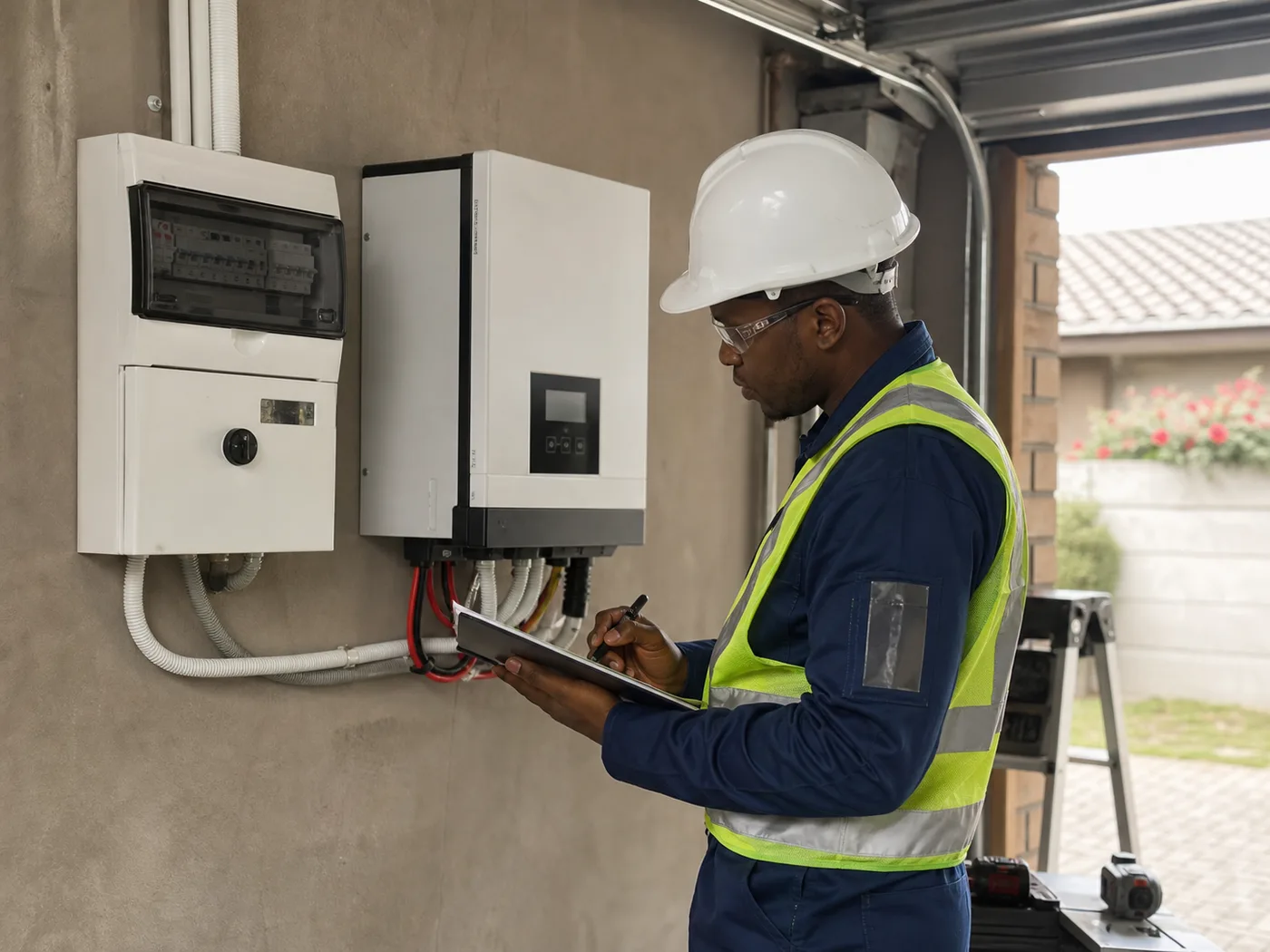
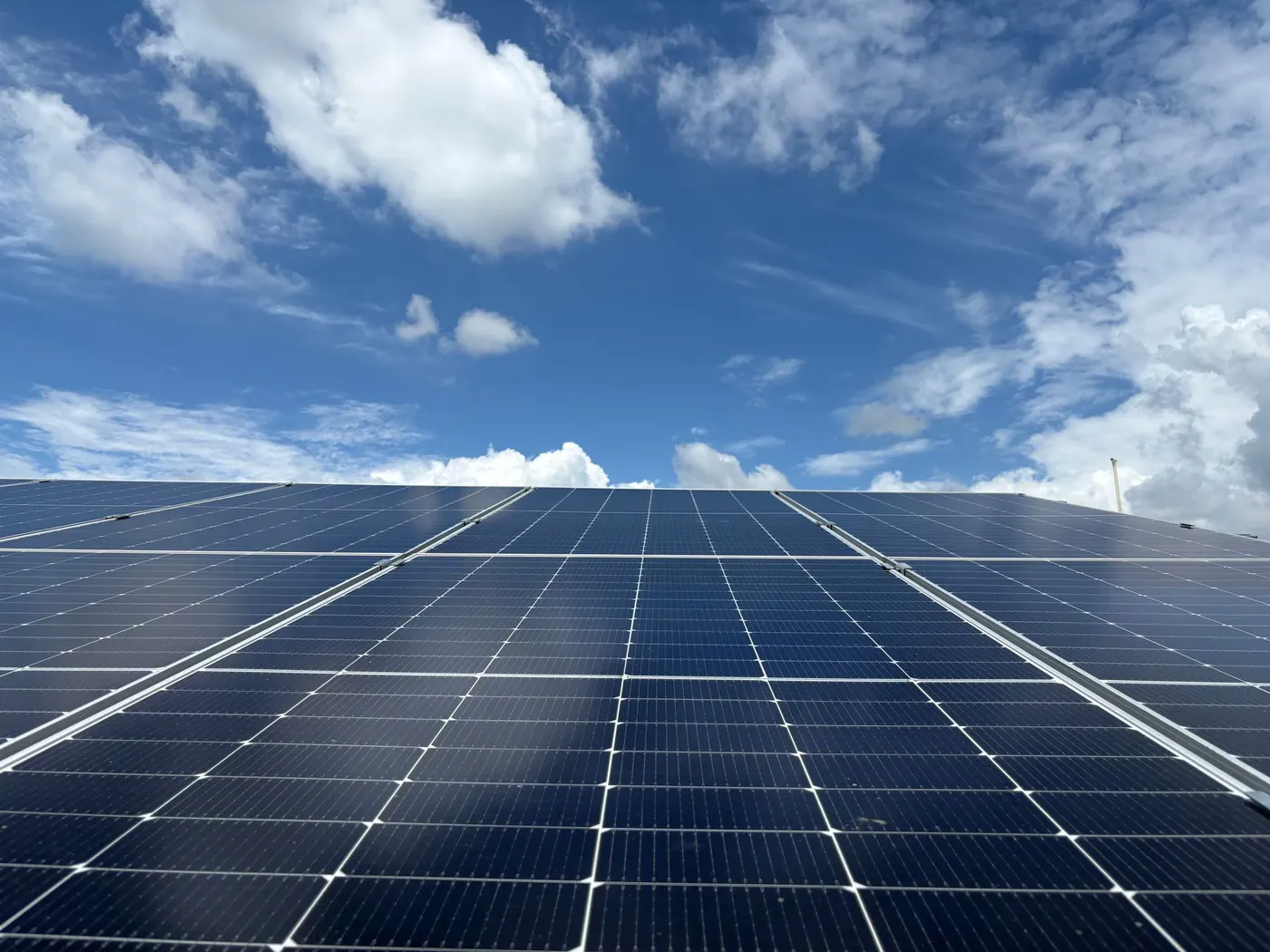
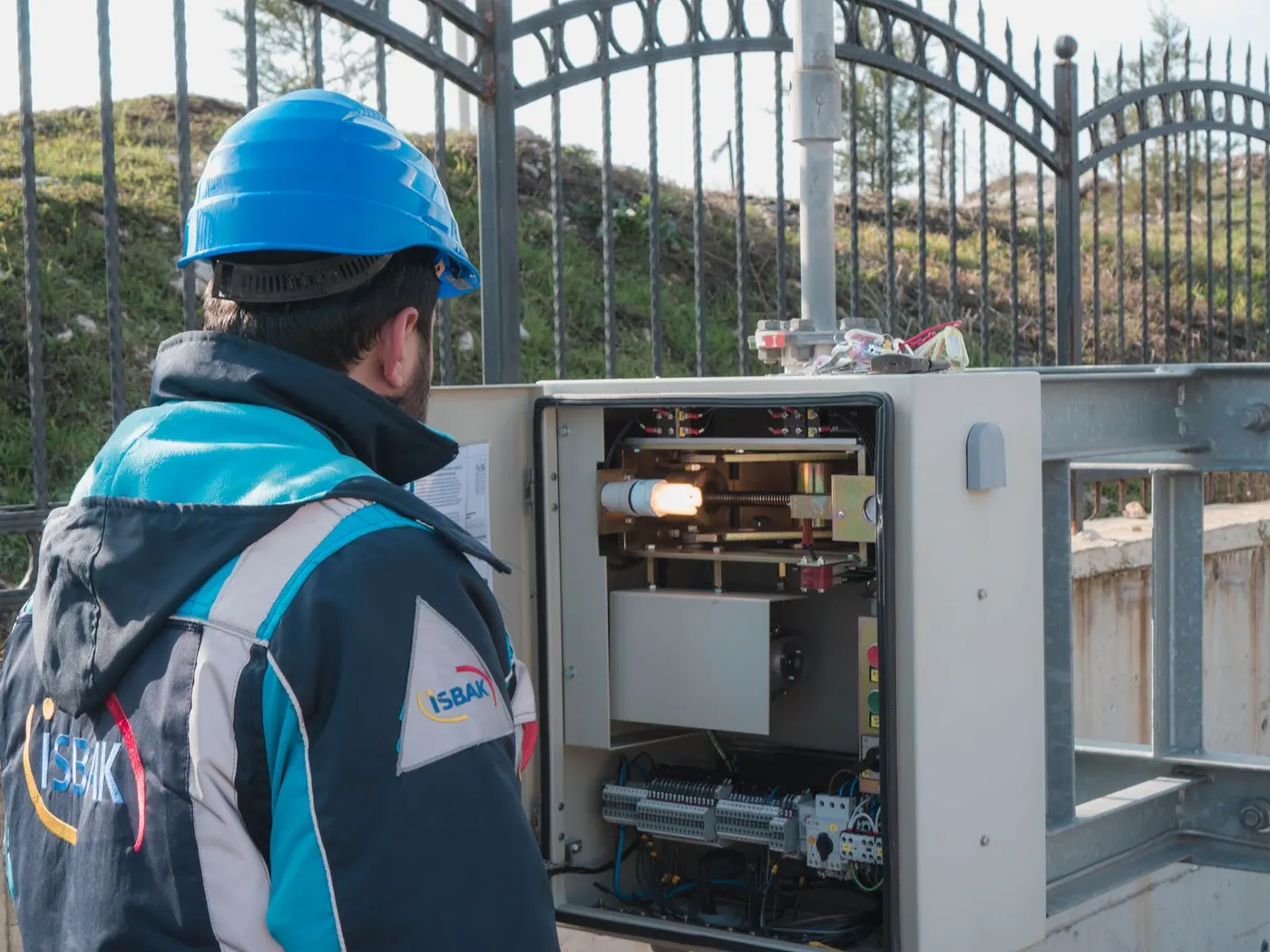
First the system has to be safely disconnected and de-installed: panels off the roof, mounting rails down, the inverter and battery disconnected and carefully packed. Then everything is transported, delicate electronics and glass panels that do not enjoy a bumpy trip. At the new house the roof may have a different pitch, orientation or structure, so you often need new mounting hardware and a fresh layout. Finally the system has to be recommissioned: rewired, reconnected, tested and re-certified.
That is a lot of skilled labour on both ends, and none of it is cheap.
The costs people forget
When homeowners compare "relocate" against "buy new", they usually only count the equipment they already own and forget the four costs that make relocation expensive.
De-installation labour at the old house, done properly so you do not damage anything.
Transport of fragile panels, an inverter and a heavy battery.
New mounting and materials at the new roof, which rarely matches the old one.
Recommissioning, a new Certificate of Compliance and fresh SSEG registration at the new municipality.
Add those up and relocation can cost a large fraction of a new installation, while leaving you with older equipment, a partly used battery, and none of the warranty certainty of a fresh system. That is the maths that catches people out.
The warranty catch
This is the risk that quietly undermines the whole idea. Solar warranties generally assume the system is installed once, correctly, by the original installer and left in place. The moment equipment is removed and reinstalled, especially by a different company, you can void or weaken your warranties.
Panels can be micro-damaged during removal in ways you cannot see until output drops. Connectors and the inverter can be disturbed. And if the new installation is not done by the original warranting party, the original installer may reasonably decline responsibility for whatever goes wrong afterward. You could end up with equipment that is technically yours but no longer backed by anyone. Before you move anything, read your warranty terms carefully and ask the installer, in writing, what a move does to your cover.
Not sure which system you need?
Get a free, no-obligation quote sized to your home, usage and budget. It only takes a minute.
Relocation does not carry your paperwork with it. The new installation is legally a new installation, so you need a fresh Certificate of Compliance from a registered electrician and new SSEG registration with the municipality that governs your new address. Rules and processes vary between Cape Town, Joburg, Tshwane, eThekwini and smaller municipalities, so what was approved at the old house has to be approved again at the new one.
Skipping this is not an option. An uncertified system can void your home insurance and cause trouble down the line. So the compliance cost and effort you already paid once, you effectively pay again.
When relocation actually makes sense
To be fair, there are cases where moving the system is the right call:
A very new system. If you installed only months ago, the equipment value and remaining warranty may justify the effort, ideally handled by the original installer to protect your cover.
Leaving a rental. If the system is on a property you do not own and were always going to take with you, relocation may be your only way to keep the investment.
A specialist or premium setup that would be expensive to replicate, where the original installer can manage the whole move.
In each of these, the rule is the same: have the original warranting installer handle the relocation wherever possible, so your cover survives the move.
The usually-better alternative: leave and install fresh
For most homeowners, the cleaner path is to leave the existing system as a value-adding feature of the home you are selling, and install a fresh, correctly sized system at the new property. You gain a selling point on the old house, and at the new one you get equipment matched to that roof and your needs, full warranties, and clean compliance from day one, with none of the relocation risk.
It is also a chance to right-size. Maybe the new home is bigger, or your family has grown, or you now want more battery for load-shedding. A fresh install lets you build for where you are going rather than dragging along a system designed for where you were.
SolarGuide connects you with Alumo, which supplies, installs, finances and warrants systems, so you can set up cleanly at the new place with everything under one accountable roof. To be straight with you, SolarGuide is an independent referral partner: Alumo does the supplying, installing, financing and warranting, and pricing is indicative and subject to a site assessment and credit approval.
Before you commit to hauling an old system across town, compare the cost of relocation against a fresh, properly warranted install. Get a free Alumo quote → and run the two numbers side by side.
Free tool
Estimate your system & savings
Move the slider to your monthly bill for an instant, indicative suggestion.
This is an indicative starting point. The site assessment and signed quote confirm the system, current price, equipment, savings and backup time. Rent-to-own payments increase by 6.5% each year.
Frequently asked questions
How much does it cost to relocate a solar system in South Africa?
There is no single figure, but relocation typically costs a large fraction of a new installation once you add de-installation labour, transport, new mounting hardware, recommissioning and fresh compliance. Because you also risk your warranties and end up with older equipment, the value case is often weaker than it first appears.
Will moving my solar panels void the warranty?
It can. Most warranties assume a single correct installation left in place. Removing and reinstalling equipment, particularly by a company other than the original installer, may void or weaken your cover. Always check the warranty terms in writing before moving anything, and use the original warranting installer where possible.
Do I need new compliance paperwork after relocating solar?
Yes. A relocated system is legally a new installation. You will need a fresh Certificate of Compliance from a registered electrician and new SSEG registration with the municipality that covers your new address, since the original approvals do not transfer with the equipment.
Is it better to move my solar system or leave it and buy new?
For most homeowners, leaving the system as a selling point and installing fresh at the new home works out cleaner and better value. Relocation makes most sense for very new systems, rentals, or premium setups, and even then it should be handled by the original warranting installer.
Can any installer relocate my solar system?
Technically yes, but using an installer other than the one who originally supplied and warranted the system can jeopardise your cover. If you do relocate, strongly prefer the original warranting installer so responsibility for the equipment stays intact.
SolarGuide is an independent referral partner. We help you compare options and arrange a free quote — Alumo supplies, installs, finances and warrants the systems. Pricing is indicative, sourced from Alumo’s published catalogue, and subject to a site assessment and credit approval.