Solar panels: the long-haul component
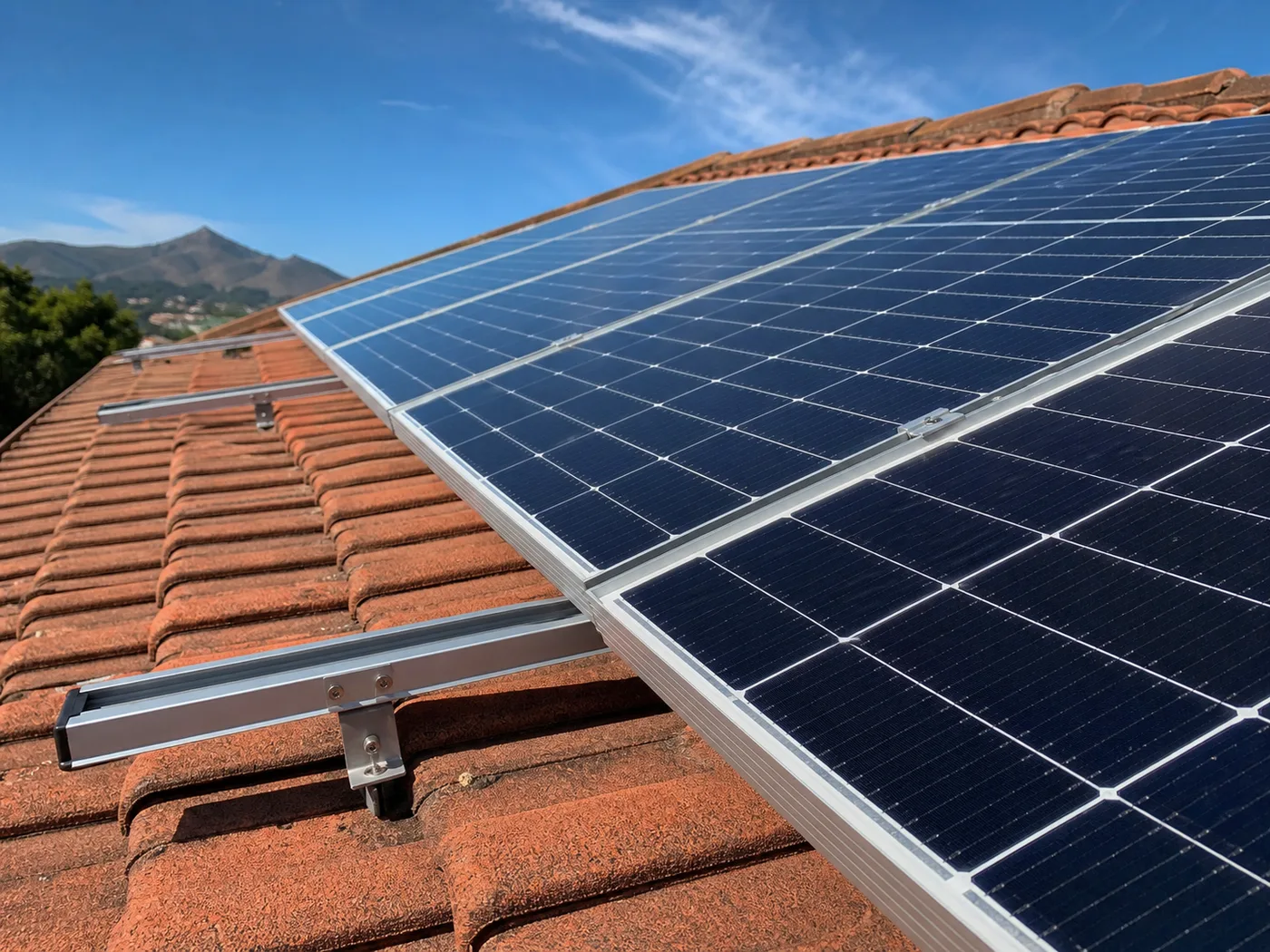
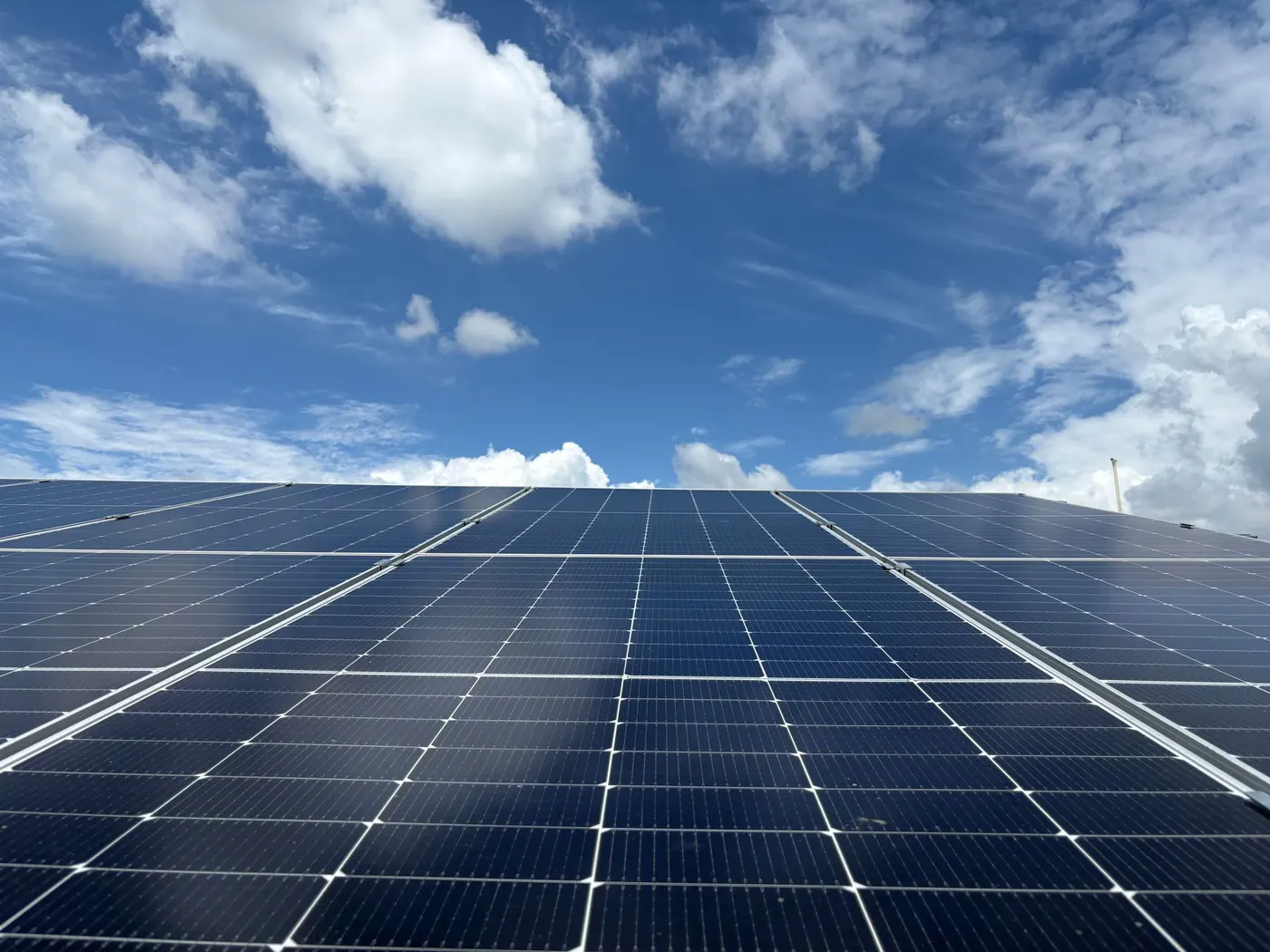
Modern monocrystalline panels are built for the long haul. Manufacturers back this with two warranties: a product warranty covering physical defects, and a performance warranty guaranteeing a minimum output far into the future. Performance warranties commonly stretch to around 25 years, and a panel does not stop working when that warranty ends. It just carries on generating at a slightly reduced level.
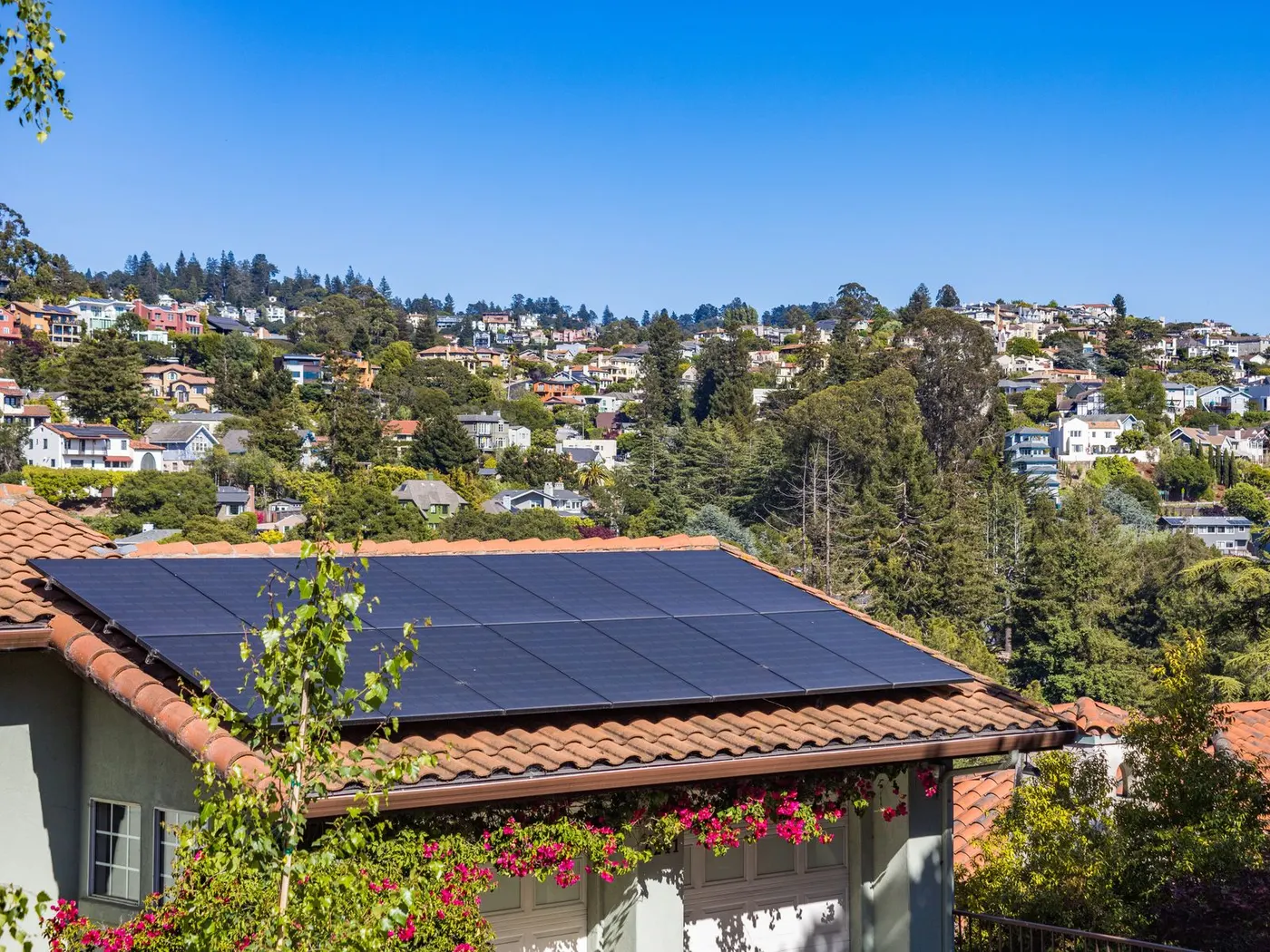
That reduction is called degradation. Panels lose a small percentage of their output in the first year as they settle, then decline very gradually after that, a fraction of a percent each year. So a panel installed on a Roodepoort roof today should still be producing the large majority of its original power two or even three decades from now. For a homeowner watching electricity prices climb year after year, that is a long stretch of generation quietly offsetting your bill.
Why panels outlast their warranties
The warranty is a floor, not an expiry date. Manufacturers set conservative guarantees they are confident of honouring, so real-world panels frequently outperform the promised numbers. Plenty of panels installed decades ago in the early solar era are still generating today. Barring physical damage (a falling branch, a freak hailstorm, a botched install), the silicon itself is remarkably stable.
The battery: the part you will service first
Here is where expectations need managing. If any major component is going to need replacing during your system's life, it is almost always the battery. Batteries store and release energy through a chemical process, and that process wears the battery slightly with every charge and discharge cycle.
Modern lithium batteries, the kind used in quality home systems, are rated for a large number of cycles and typically last many years, but they will not match the panels. How long yours lasts depends heavily on how it is used. A battery cycled hard every night through frequent Stage 4 and 6 load-shedding ages faster than one that is only occasionally called on. So South Africa's outage patterns have a direct bearing on battery life in a way they do not for panels.
The important thing is to budget mentally for the battery as the component you will most likely replace once during the system's lifetime, while the panels keep going. Quality batteries from established brands come with their own warranties — check the terms, because they are often stated in both years and total energy throughput.
Not sure which system you need?
Get a free, no-obligation quote sized to your home, usage and budget. It only takes a minute.
Get your free quote →The inverter: the middle of the pack
The inverter is the brain of the system, turning the DC power from your panels into the AC power your home uses and managing the flow between panels, battery, home and grid. Inverters sit between panels and batteries on the longevity scale. They generally last well over a decade, often longer, but not the full multi-decade span of the panels.
Because the inverter works hard every single day, its lifespan is sensitive to quality and to how well it is sized and ventilated. A reputable inverter from a brand like Sunsynk, correctly specced and installed with proper airflow, runs reliably for many years. An undersized or poorly ventilated unit crammed into a hot cupboard will not. This is one of many reasons the installation matters as much as the components.
What actually shortens a system's life
The lab-rated lifespan assumes a good install and reasonable care. Several real-world factors can cut it short, and most are avoidable.
Poor installation is the big one. Bad mounting that lets water pool or panels flex, undersized cabling, loose connections, or an inverter with no airflow will all age a system early and can create safety risks. A compliant, professional install is not a luxury. It is what protects the decades of life the components are capable of.
Physical and environmental stress takes a toll too. South Africa throws a lot at a roof: intense UV, Highveld hailstorms, coastal salt air in places like Durban and the Cape, and blistering summer heat. Quality panels are built to handle all of this. Cheap panels cut corners on the materials that resist it, which is why the bargain option so often disappoints within a few years.
Neglect is the slow killer. A layer of dust, bird mess or pollen dims output, and a fault left undiagnosed can quietly drag down a whole string. None of this is hard to manage — it just needs a little attention, which we will come to.
How to make your system last
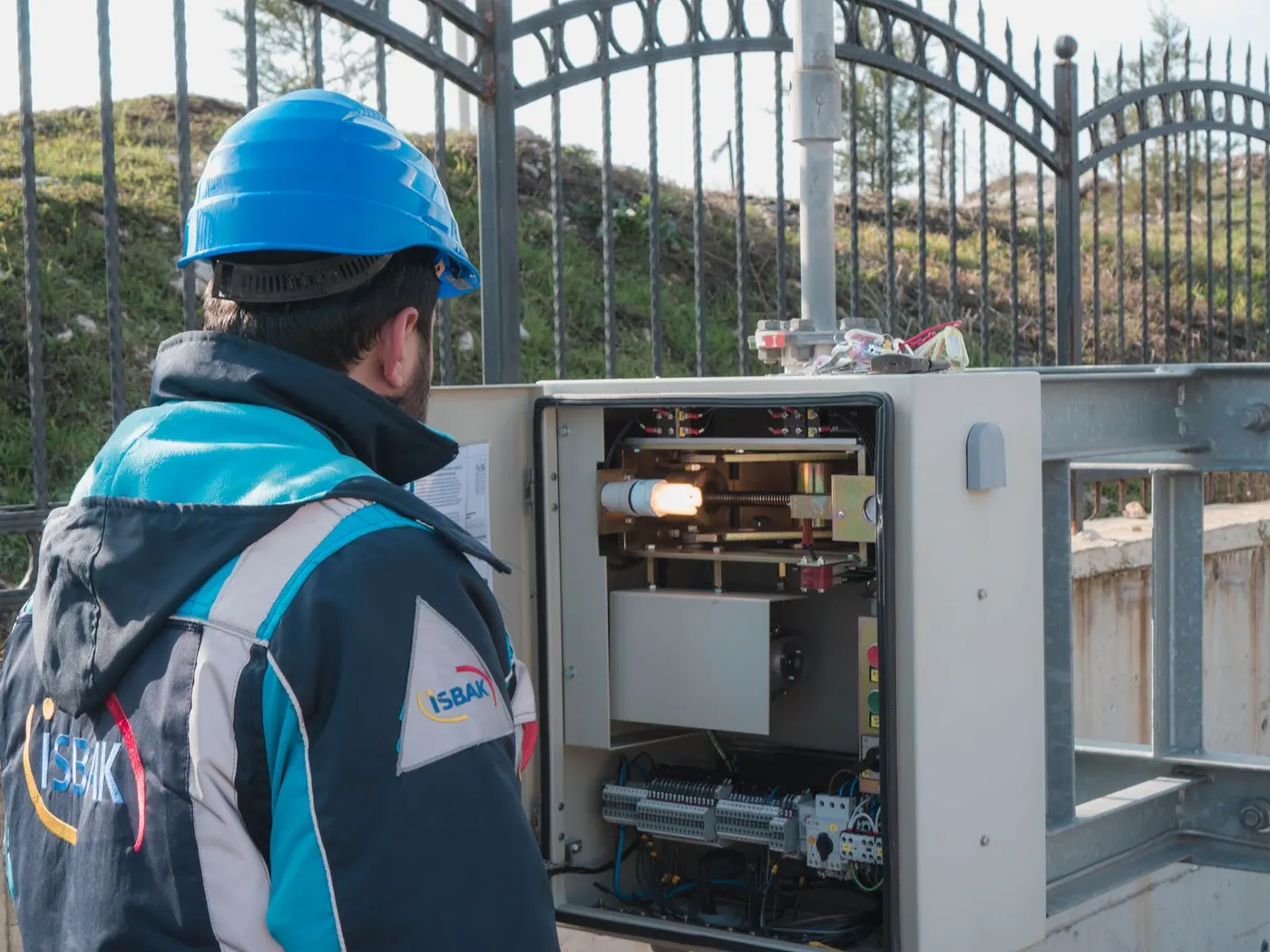
Getting the full lifespan out of your investment comes down to a few sensible decisions. Buy quality components from established brands rather than the cheapest panels on the market. Insist on a professional, compliant installation. Keep the panels reasonably clean and have the system checked periodically so small faults are caught before they spread. And choose a supplier who will still be around, and reachable, when you need a warranty honoured years down the line.
That last point is why buying from an established, accountable installer matters so much. When you take a package from a company like Alumo, the panels, inverter and battery are quality-matched components, professionally installed and warranted, with the installer standing behind the system rather than leaving you to chase a faceless importer. Over a 20-year horizon, that accountability is worth as much as any spec sheet.
R1,418/mo · 3, 5 or 7 years
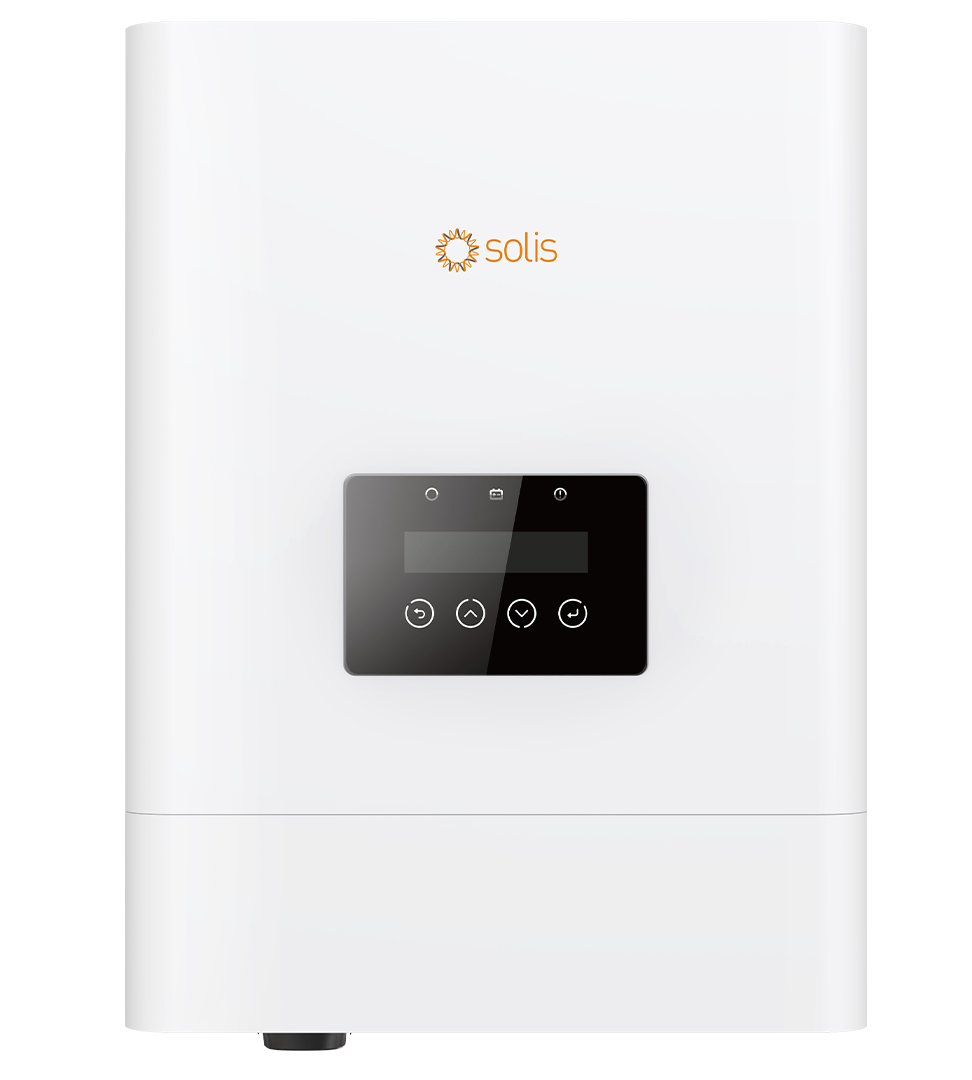
- • Solis 5kW inverter
- • Eenovance 5.32kWh battery · Runtime depends on connected appliances
- • 3 × 615W panels
Get a free quote →If longevity is your priority, have the whole system sized properly from the start. A battery that is not constantly pushed to its limit ages more gently, and an inverter with headroom runs cooler and lasts longer. Get a free quote → to have a specialist match the components to your real usage and load-shedding exposure rather than guessing.
Frequently asked questions
How many years will my solar panels last?
Quality monocrystalline panels are typically built to last 25 to 30 years or more, backed by performance warranties around the 25-year mark. They degrade only slightly each year and usually keep generating well beyond their warranty period.
Will I need to replace the battery before the panels?
Almost certainly. The battery is the shortest-lived major component because it wears slightly with every charge cycle. Expect to service or replace it once during the system's life, especially if it cycles hard through frequent load-shedding, while the panels keep going.
Does South African heat and weather shorten panel life?
Quality panels are built to handle intense UV, heat, hail and coastal salt air. Cheap panels cut corners on the protective materials, which is why they fail sooner. Good components plus a professional install are what protect the full lifespan.
Do solar panels suddenly stop working after 25 years?
No. Panels do not fail at a cliff edge — they gradually produce a little less power over time. After 25 years a quality panel is typically still generating the majority of its original output.
What's the best way to extend my system's lifespan?
Buy quality components, insist on a compliant professional installation, keep the panels reasonably clean, have the system checked periodically, and buy from an accountable installer who will honour warranties years later.
SolarGuide is an independent referral partner. Alumo supplies, installs, finances and warrants the systems; SolarGuide helps you compare and get a free quote. Pricing is indicative and subject to a site assessment and credit approval.
SolarGuide is an independent referral partner. We help you compare options and arrange a free quote — Alumo supplies, installs, finances and warrants the systems. Pricing is indicative, sourced from Alumo’s published catalogue, and subject to a site assessment and credit approval.