"Approval" means two different things
When people say "council approval," they usually mean one of two very different processes, and it helps to separate them.
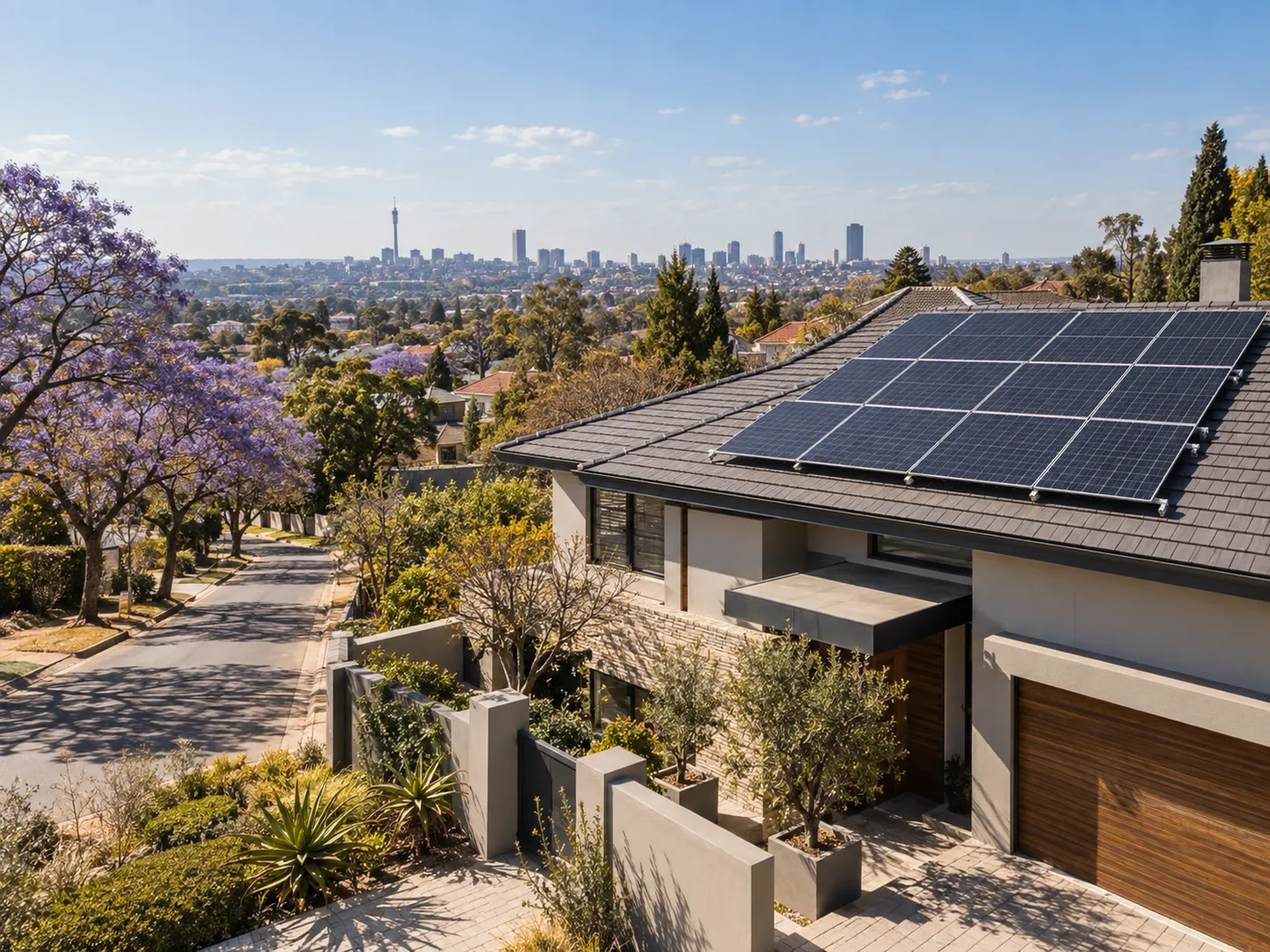
The first is building or planning approval, the kind you need for an extension or a new structure. For standard rooftop solar on an existing home, this is rarely required. Panels mounted flush to an existing roof are generally treated as equipment, not a building alteration.
The second, and the one that nearly always applies, is electrical and grid compliance. This is where SSEG registration, a Certificate of Compliance and municipal by-laws live. It isn't "approval" in the town-planning sense, but it is a mandatory set of hoops if your system connects to the grid, which most home systems do.
Why the distinction matters
Because homeowners hear "you don't need council approval for panels" and wrongly conclude they can install anything, anywhere, with no paperwork. The panels themselves may be unregulated, but the inverter connecting to your distribution board and the municipal supply is very much regulated. Getting that part wrong risks disconnection, insurance problems, and fines.
When you genuinely need council or municipal sign-off
Grid-connected systems: SSEG registration
If your system is grid-tied or hybrid, meaning it stays connected to the municipal supply, you must register it as a Small-Scale Embedded Generator with your municipality (or with Eskom in areas they supply directly). This is the single most important compliance step, and it applies even if you never export a single kilowatt-hour back to the grid.
Registration confirms your inverter safely disconnects during outages, protects municipal workers, and keeps your electricity account and insurance valid. It is a legal requirement in metros like Cape Town, Johannesburg, Tshwane, eThekwini and Nelson Mandela Bay, and increasingly in smaller municipalities too.
Certificate of Compliance
Every solar installation that touches your home's wiring needs an electrical Certificate of Compliance (CoC), issued by a registered person. This certifies the work meets South African wiring standards. It is not optional, it protects you legally, and you will need it if you ever sell the property.
Not sure which system you need?
Get a free, no-obligation quote sized to your home, usage and budget. It only takes a minute.
Get your free quote →Structural and heritage exceptions
There are edge cases where a more formal approval does come into play:
- Heritage properties. If your home is a declared heritage site or sits in a heritage overlay zone, alterations visible from the street, including the panels, may need heritage authority consent.
- Large or commercial arrays. Bigger systems, ground-mounted arrays, or anything that changes the roof structure can trigger structural engineering sign-off or planning review.
- Unusual mounting. Elevated frames, carports built to carry panels, or new structures are treated as building work and may need plans approved.
For an ordinary suburban home with panels laid on an existing pitched or flat roof, none of these usually apply. But it is worth a quick check if your property is old, listed, or in a conservation area.
Estates, complexes and sectional title
If you live in a sectional-title complex, a security estate, or under a homeowners' association, there is an extra layer that has nothing to do with the municipality: private rules.
The body corporate or HOA often controls the appearance of the building and, in sectional title, may even own the roof as common property. That means you typically need written consent before installing, and there may be aesthetic guidelines about panel placement or visibility. This is separate from and additional to municipal SSEG registration and the CoC.
Getting complex approvals through
The practical route is to bring the body corporate a clear proposal: what equipment, where it will sit, how it attaches, and confirmation that a registered installer will issue a CoC. Trustees are far more likely to approve a tidy, professional plan than a vague request. A well-documented installation from an established company makes this conversation much easier.
Get a free quote →
How to make compliance painless
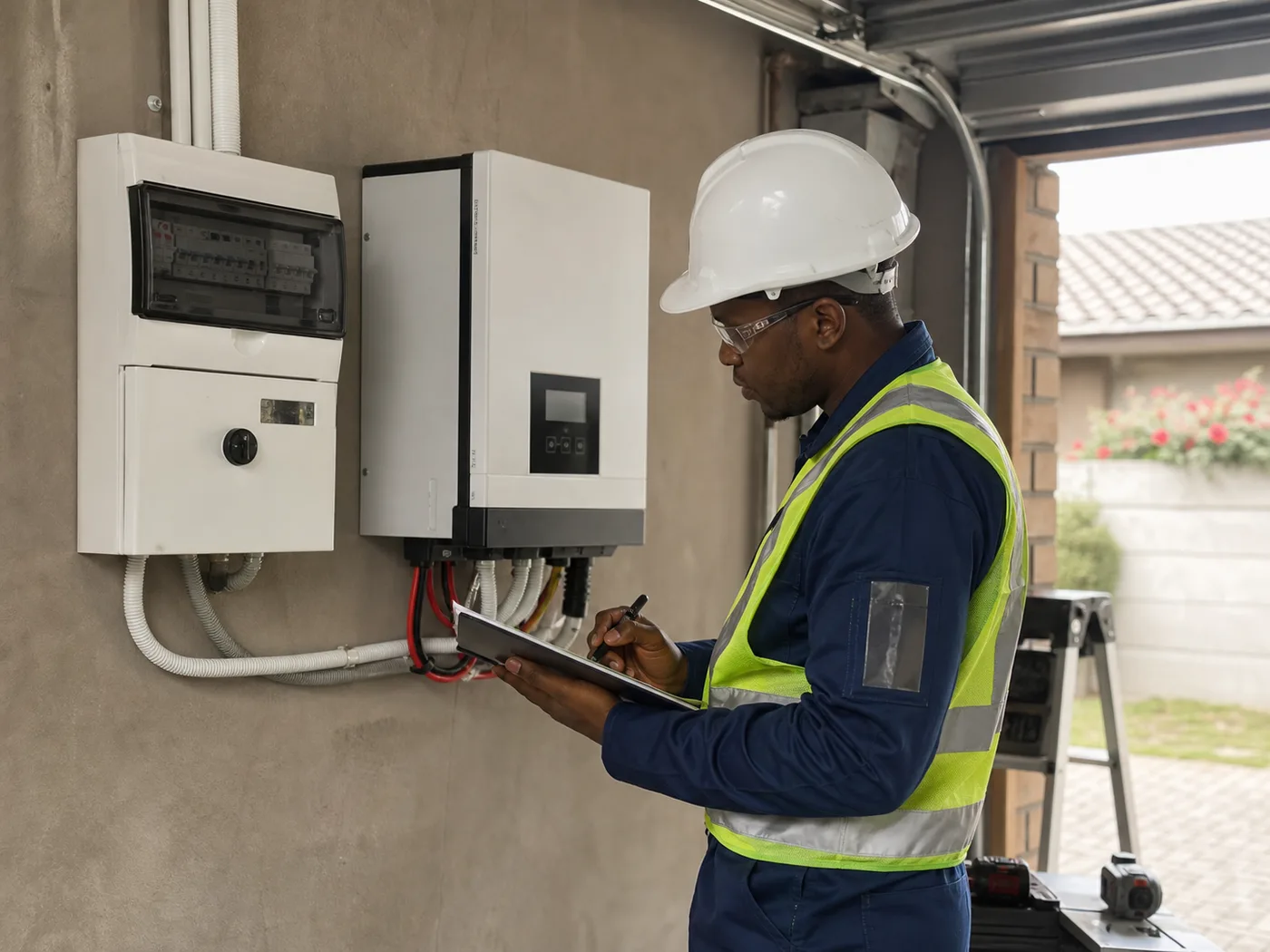
Here is the reassuring part. For most homeowners, none of this needs to become your personal admin project. A reputable installer treats compliance as part of the job. They specify an approved, grid-compliant inverter, issue the CoC, prepare the single-line diagram and datasheets, and submit the SSEG application to your municipality on your behalf.
That is the model SolarGuide points people towards. Alumo, the installer we refer customers to, supplies, installs and warrants systems built on municipality-approved equipment and handles the registration paperwork end to end. Your job is mostly to choose a sensible system for your home and sign where needed.
For a standard family home wanting solid backup and lower bills without over-specifying, a balanced mid-tier system keeps both the installation and the compliance process straightforward.
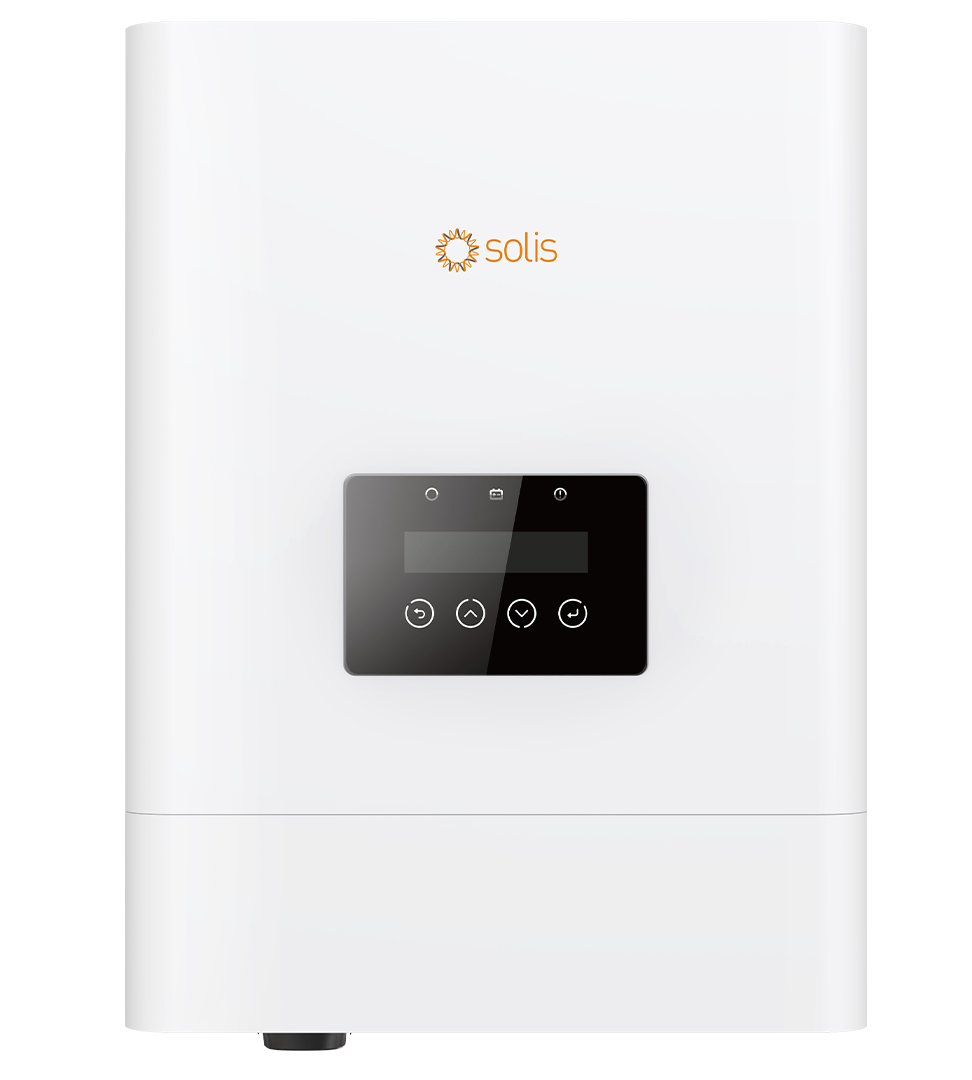
R1,418/mo · 3, 5 or 7 years
- • Solis 5kW inverter
- • Eenovance 5.32kWh battery · Runtime depends on connected appliances
- • 3 × 615W panels
Get a free quote →If your household runs heavier loads (a pool pump, multiple air conditioners, a home office that cannot afford downtime), stepping up to a larger system with more panels and battery capacity is worth discussing at quote stage.
R1,418/mo · 3, 5 or 7 years
- • Solis 5kW inverter
- • Eenovance 5.32kWh battery · Runtime depends on connected appliances
- • 3 × 615W panels
Get a free quote →Get a free quote →
Frequently asked questions
Do I need building plans approved to install rooftop solar?
For standard panels mounted on an existing roof, generally no. This is treated as equipment rather than a structural alteration. Building or planning approval usually only comes into play for new structures, ground-mounted arrays, heritage properties, or installations that change the roof itself.
Is SSEG registration the same as council approval?
Not exactly, but it is the compliance step most people mean. SSEG registration is a mandatory process for grid-connected systems that tells your municipality you have a generating source on their network. It is required even if you never export power to the grid.
What happens if I install solar without complying?
You risk disconnection, fines, and being forced to bring the system up to standard at your own cost. An unregistered or non-compliant system can also void home insurance claims and cause delays when you sell the property, since a valid Certificate of Compliance is expected during transfer.
Do I need permission from my body corporate or HOA?
If you live in a sectional-title complex or an estate, usually yes. The body corporate or homeowners' association often controls the roof and building appearance, so you need their written consent in addition to municipal compliance. A clear, professional installation proposal makes approval much easier to obtain.
Does SolarGuide handle the approvals and installation?
No. SolarGuide is an independent referral partner that helps you compare options and get a free quote. Alumo supplies, installs, finances and warrants the systems and manages the compliance and registration paperwork. Pricing is indicative and subject to a site assessment and credit approval.
SolarGuide is an independent referral partner. We help you compare options and arrange a free quote — Alumo supplies, installs, finances and warrants the systems. Pricing is indicative, sourced from Alumo’s published catalogue, and subject to a site assessment and credit approval.