How Solar Power Works: A Simple Guide for South African Homes
By SolarGuide9 min read
Solar has gone from a fringe curiosity to a fixture on South African rooftops, but plenty of people still say yes to a system without really understanding what's happening up there. That's fine when everything works. It's frustrating when you're trying to figure out why your battery drained at 8pm, or why the app is showing numbers you don't recognise.
You don't need to be an electrician to get solar. But understanding the four moving parts (the panels, the inverter, the battery and the grid) makes you a far better buyer. You'll ask sharper questions and spot when a quote doesn't add up. Here's the whole thing in plain language.
Key takeaways
Solar panels turn sunlight into DC electricity; the inverter turns that into the AC power your home uses.
A battery stores daytime surplus so you have power at night and during load-shedding.
A hybrid inverter is the brain: it decides moment to moment whether to use solar, battery or grid.
Most SA homes use a hybrid setup: solar and battery first, grid as backup.
The system prioritises the cheapest, cleanest power available at any given second, automatically.
Get a free solar quote
Share your average electricity bill and we’ll arrange a free, no-obligation quote — sized to your home and budget. Rent-to-own, subscription or outright.
Mon–Fri 8am–5pm · Sat 8am–1pm · Free quote across South Africa
The four parts of a home solar system
Almost every residential solar system in South Africa is built from the same four building blocks. Once you know what each does, the whole thing stops being mysterious.
1. The solar panels
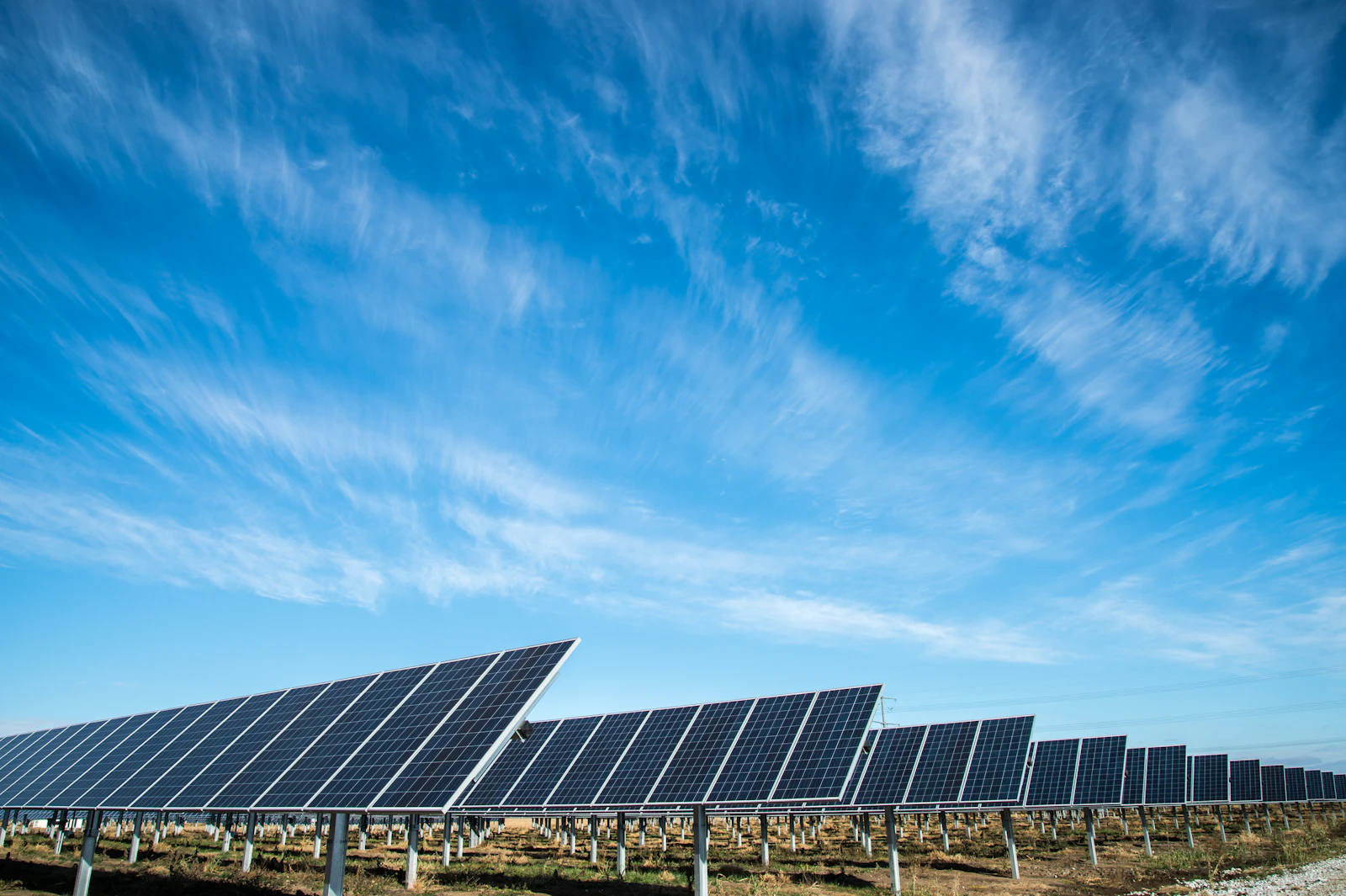
Panels are the part you see on the roof. Each one is made of photovoltaic (PV) cells that generate direct current (DC) electricity when sunlight hits them. No moving parts, no noise, no fuel. More sun means more power, which is why panel output peaks around midday and drops off in cloudy weather or winter.
South Africa is one of the sunniest countries on earth, which is exactly why solar performs so well here compared to much of Europe. Panels from brands like Trina and Jinko are the workhorses on most local roofs.
2. The inverter
Here's the catch: your home's plugs, lights and appliances all run on alternating current (AC), not the DC that panels produce. The inverter is the translator that converts DC into usable AC. It's the single most important component in the system, and its rating (say 3.6kW or 5kW) sets the maximum amount of power your home can draw at any one instant.
A hybrid inverter does more than convert; it's the decision-maker. Every second, it chooses where your home's power should come from: the panels, the battery, or the grid. Sunsynk, Solis and AlphaESS are common inverter brands in the local market.
3. The battery
The battery stores electricity your panels produce but your home isn't using at that moment, typically the midday surplus. That stored energy is then available after sunset, or the instant load-shedding hits. Modern home batteries are lithium-based (often LiFePO4), measured in kilowatt-hours (kWh), and last for thousands of charge cycles.
Without a battery, a solar system simply switches off when the grid goes down, even at noon, because of safety rules. With a battery, your home rides through load-shedding without interruption.
25 years+
panel performance warranty
6,000 cycles
typical battery life
10 years+
inverter lifespan
4. The grid (Eskom or your municipality)
The grid is still part of the picture for most homes. It acts as a backup when your panels and battery can't keep up, like cloudy winter evenings, or a run of appliances all switching on at once. A grid-tied hybrid system draws from Eskom only when it needs to, which is usually far less than before.
Not sure which system you need?
Get a free, no-obligation quote — sized to your home, your usage and your budget. It only takes a minute.
The clever part is how these parts cooperate automatically. You don't push any buttons; the inverter runs the show. Here's a typical day.
Morning
The sun comes up and panels start producing. That power first runs whatever your home needs right then: the kettle, the wifi router, the fridge. Any leftover goes to charging the battery.
Midday
This is peak production. Panels are generating more than the house is using, so the surplus tops up the battery to full. If your battery is already full and you're on a system that allows it, extra energy can be exported to the grid (where feed-in tariffs apply).
Evening
The sun sets, panels stop, and the house switches to running off the battery. Lights, TV, dinner prep, all coming from the energy you banked earlier for free. A well-sized battery carries you through the evening peak.
Load-shedding, any time
When the grid drops, a hybrid system keeps running on solar and battery without interruption. Good systems switch over in milliseconds, fast enough that your wifi doesn't even blink. This is the moment most people fall in love with solar.
Grid-tied, off-grid or hybrid: a quick word
You'll hear three terms thrown around:
Grid-tied systems work alongside Eskom but shut off during a blackout. Cheap, but useless for load-shedding on their own.
Off-grid systems have no grid connection at all. Total independence, but you need big panels and big batteries to never run short, which gets expensive.
Hybrid systems are the sweet spot for South Africa: solar and battery first, grid as a safety net. Almost every Alumo home package is a hybrid setup for exactly this reason.
For a household that wants both bill savings and load-shedding protection without going fully off-grid, a hybrid system like Alumo's most popular Silver package covers the bases. Get a free quote → to see it matched to your home.
Every modern system comes with an app that visualises this dance in real time. You'll see arrows showing power flowing from panels to home, home to battery, or grid to home. Once you understand the four parts, the app stops being noise and becomes genuinely useful. You can watch your battery charge on a sunny afternoon, or catch an appliance quietly draining more than it should.
Curious what a system for your home would look like? Get a free quote → and see the exact components matched to your roof and usage.
Do you need to understand all this to go solar?
Honestly, no. A good installer handles the design, sizing and setup. But understanding the basics means you won't be sold the wrong thing, you'll use your system better, and you'll troubleshoot the small stuff yourself instead of panicking. Solar isn't complicated once someone explains it without the jargon. It's four parts, working together, quietly saving you money and keeping your lights on.
Free tool
Estimate your system & savings
Move the slider to your monthly bill for an instant, indicative suggestion.
R2 000/ month
R500R8,000+
Our suggestion
Silver
The Eishkom Ex
The popular middle ground for most family homes that want solid daily solar and backup.
Sunsynk Powerlynk X — 3.6kW
Sunsynk 3.8kWh · ~3–4 hours backup
4 panels · 615W panels
Rent-to-own from
R2,035/mo
Est. monthly saving
~R1 200
That's about R835/month on top of what you save, for a system that becomes yours and shields you from rising tariffs.
Estimate only. A free site assessment sizes your system properly against your actual usage, roof and budget.
Frequently asked questions
Does solar work when there's no sun?
Panels produce very little on heavily overcast days and nothing at night. That's what the battery is for — it stores daytime energy so you still have power after dark or in bad weather. The grid acts as a final backup on a hybrid system.
Will my solar keep working during load-shedding?
Only if you have a battery and a hybrid or off-grid inverter. A grid-tied-only system shuts off during a blackout for safety reasons, even in bright sunshine. This is why almost all South African home systems now include a battery.
What's the difference between kW and kWh?
kW (kilowatts) measures power — how much you're drawing right now, like the size of a tap. kWh (kilowatt-hours) measures energy over time — how much you've used in total, like the water in a bucket. Inverters are rated in kW; batteries and your electricity bill are measured in kWh.
How long do the components last?
Panels typically carry 25-year-plus performance warranties. Modern lithium batteries last many years and thousands of cycles. Inverters generally have shorter warranties than panels but are built to run for well over a decade. Alumo supplies, installs and warrants all the equipment.
Who installs and guarantees the system?
Alumo does. SolarGuide is an independent referral partner — we help you compare options and get a free quote, while Alumo supplies, installs, finances and warrants the system. Pricing is indicative and subject to a site assessment and credit approval.
SolarGuide is an independent referral partner. We help you compare options and arrange a free quote — Alumo supplies, installs, finances and warrants the systems. Pricing is indicative, sourced from Alumo’s published catalogue, and subject to a site assessment and credit approval.